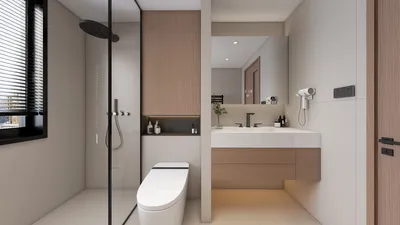


As we look towards the future of living, my clients continue to face challenges such as noise, disorganization, and rigid daily routines. To address these issues, we start with an innovative 3 BHK flat design plan for the first floor, transforming conventional defaults. Industry trends support this shift: Zillow highlights an increased desire for adaptable multi-purpose spaces that also feature quieter, more private areas—showing how homes are evolving into dynamic living systems. I approach the design plan as a functional interface rather than just a static container, where the first-floor grid serves as a framework for how mornings, meetings, and night activities will unfold. Integrating the Homestyler tool can enhance this spatial planning process, providing a comprehensive toolkit for visualizing these ideas.
Anchor Suite + Split Social Spine
Design Logic: The primary bedroom occupies one corner, while the living and dining areas are organized along a dual-axis spine that facilitates energy flow without interference—future routines demand parallel processing. Flow: Entry → coat storage → social spine → kitchen node; a private corridor branches off to the bedrooms, ensuring that everyday activities remain uninterrupted. Sightlines: There’s a long diagonal view from the entry to the balcony, with side perspectives revealing the kitchen as a secondary interface, while bedrooms are discreetly located. Storage: Pantries that reach wall depth and corridor storage act like low-latency caches, ideal for organizing school bags, linens, and devices. Furniture Fit: A sofa that measures between 92 and 100 inches with a 30-inch pathway, a dining setup for six around a 36 x 72-inch table, and bed frames positioned to correspond with plug-in points. Verdict: This layout operates like stable firmware—promoting social interaction upfront while preserving privacy at the edges—effectively prepared for five years of hybrid living.
save pin
Flex Room as Daily Mode Switch
Design Logic: The third bedroom serves as a versatile space that can transition between a home office, a guest pod, and a children's studio—future living demands adaptable rooms rather than single-purpose designs. Flow: In the morning, a parent moves into the flex room; in the evening, a fold-down bed appears for guests; on weekends, the space transforms into an art area that has close access to the bathroom. Sightlines: Translucent sliding doors provide a peripheral view while maintaining focus on the living area. Storage: A ceiling-high grid equipped with labeled bins acts similarly to version control, supporting smooth transitions between modes without losing functionality. Furniture Fit: A 60-inch wall desk with cable management, a 60 x 80-inch Murphy bed, and two task chairs placed on a 5 x 8-foot rug function as the execution surface. Verdict: By conceptualizing the room as a versatile hub, the layout achieves flexibility that accommodates new routines seamlessly.
save pin
Kitchen Node + Micro-Transit Corridor
Design Logic: The kitchen is central to the layout, supported by a micro-corridor that links the utility area, powder room, and balcony—reflecting how future homes manage tasks like microservices. Flow: Groceries enter through the main door, pass into the pantry, move to the prep island, and flow out to the dining area; the service path runs parallel, ensuring smooth social interactions. Sightlines: The cooktop maintains an unobstructed view to the dining and balcony light, preserving a clean interface as low-sitting appliances serve as status indicators. Storage: A 48-inch deep pantry and toe-kick drawers function as silent buffers, supplemented by a tall broom niche for quick reorganizations. Furniture Fit: An island measuring 36 x 84 inches with 42-inch clearances and a dining bench along the wall optimize space, while stools are designed to tuck away neatly without losing functionality. Verdict: This optimized kitchen node is capable of handling peak operational demands with clarity, enabling families to synchronize effortlessly.
save pin
Final Takeaway
Living in a three-bedroom flat on the first floor should feel intuitive like software designed for human use: coherent connections, essential items systematically stored, and visual hierarchies that soothe the environment. A well-imagined 3 BHK flat design thrives when rooms have the ability to switch functions, storage acts like memory, and movement patterns appear coherent and logical. My experience suggests that the most intelligent future homes won’t necessarily feature more space—rather, they will be more deliberate in design. What I consistently observe in my projects is that thoughtful spatial choices can subtly transform everyday living.
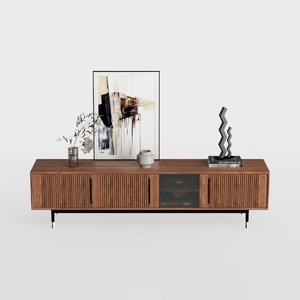

Modern Minimalist Walnut Fluted Door TV Cabinet 3D Model
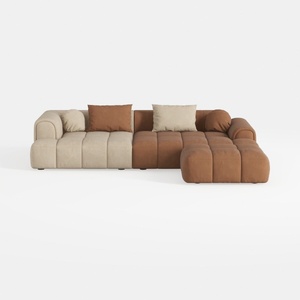
Modern Velvet Sectional Sofa, U Shape Minimalist M
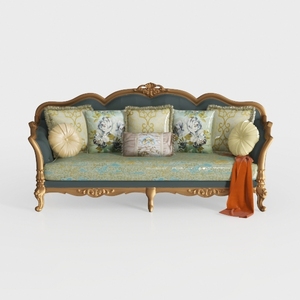
Vintage French Gold Trim Fabric Floral Upholstered Sofa 3D Model
Homestyler is your go-to online platform for transforming home design dreams into reality. With its user-friendly design tool, stunning 3D renderings, and a wealth of DIY video tutorials, you can effortlessly explore and realize your creative vision, whether you're a novice or seasoned designer!
立即免费设计
































