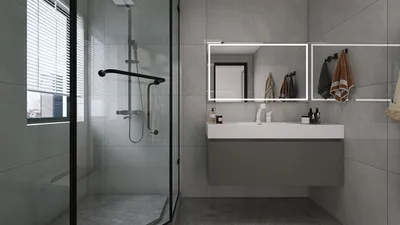


As urban lifestyles evolve, residents in dense cities face challenges such as privacy, storage, and fragmented workflows. In response, I have been conceptualizing 3BHK layouts as adaptable interfaces that prepare for the next five years. According to AIA data, there is a growing emphasis on multifunctional rooms rather than sheer space, which resonates with the requirements of my clients for Mumbai's 3BHK floor plans. The future is pressing in, and I am actively strategizing how to respond effectively utilizing tools like Homestyler.
Layout 1: Central Spine with Split Domains
Design Logic: A corridor spine functions as the central communication channel, allowing public spaces like the living-dining area to separate from the more private bedrooms while maintaining low latency.
Flow: Movement progresses from the entrance through the living-dining area to the kitchen, along the spine and into the bedrooms; the guest bathroom, positioned near the living area, serves as a convenient quick-access point.
Sightlines: The design features a layered transition from the front door to the balcony, with a kitchen that is partially obscured to ensure that the communal area remains the focal point, rather than utility tasks.
Storage: Utilizing full-height wardrobes provides vertical storage solutions; a linen niche along the spine enables easy access, while the kitchen pantry serves as additional storage for bulk items.
Furniture Fit: The dimensions are well-planned with the sofa at 900 mm in depth, dining table at 1600×900 mm, and queen-sized beds measuring 1520×1980 mm, which keeps pathways clear much like API rate limits.
Verdict: This design effectively organizes the intensity of Mumbai living into serene segments, paving the way for a hybrid lifestyle where social gatherings and focused work can harmoniously coexist.
save pin
Layout 2: Diagonal Living Core with Corner Bedrooms
Design Logic: Featuring a diagonal living axis oriented towards the balcony, this layout transforms the area into a visual conduit, with corner bedrooms functioning as modular nodes that offer variable privacy levels.
Flow: The pathway progresses from the entry to a diagonal living space, with the kitchen located behind an acoustic barrier, while the bedrooms are arranged at a 45-degree angle; the master suite connects to a private bath.
Sightlines: The long diagonal sightline provides first-level access, while secondary views are aligned at 90 degrees, preventing clutter from overshadowing the main space.
Storage: Thoughtful placement of under-sofa drawers, window-seat cache, and overhead kitchen lofts ensure effective organization, keeping frequently used items readily accessible.
Furniture Fit: Featuring sectional dimensions of 2400×2400 mm, desks at 1200×600 mm, and a clear master walk-in at 1800 mm, every detail respects flow and human ergonomics.
Verdict: This angled core functions like a GPU within daily life, enhancing light, airflow, and mood, while maintaining a peaceful environment in the bedrooms.
save pin
Layout 3: Flex Room as Adaptive Kernel
Design Logic: One bedroom is designated as a versatile kernel that can transform into a nursery, study, or guest suite; it adapts as lifestyles change without requiring an overhaul of the entire plan.
Flow: The layout facilitates an entry that leads to a living-dining area, followed by a sliding-partition flex room and kitchen; the master and secondary bedrooms are situated on a quieter route.
Sightlines: A transparent partition adds elasticity to the design, allowing privacy to be toggled between clear and frosted, effectively managing information visibility.
Storage: Equipped with grid shelving featuring labeled bins, bed-base storage, and accessible kitchen pull-outs, the system creates a predictable order that functions as the operating system of home life.
Furniture Fit: The room includes a Murphy bed of 1600 mm, a modular sofa on casters, and a foldable dining table measuring 1400 mm; all elements act as upgradeable modules rather than fixed features.
Verdict: By incorporating an adaptable kernel, the 3BHK mirrors the characteristics of software—capable of updates, resilient, and prepared for unexpected demands, from work-from-home scenarios to accommodating visiting relatives.
save pin
## Final Takeaway
The Mumbai 3BHK design represents more than just a floor plan; it serves as a protocol for future living. The interplay of movement, light, and storage operates seamlessly, much like code. Variants such as compact three-bedroom configurations and flexible urban apartments exemplify how bandwidth, privacy, and adaptability can be optimized without increasing the area. In my view, the most intelligent homes of tomorrow won't necessarily be larger—merely more purposeful, aided by tools like Homestyler for effective planning.
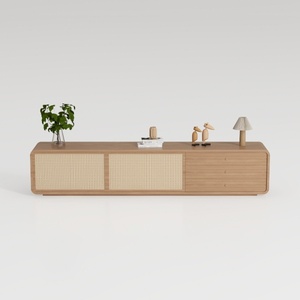
Walker Edison Sasha 4-Door Sideboard Buffet with
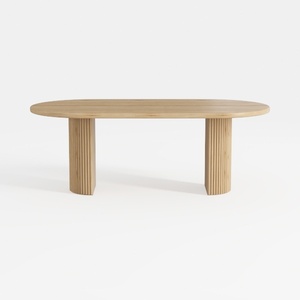

Jennifer Taylor Home Jesse 55.5" Single Drawer Sto
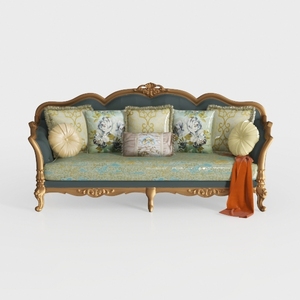
Vintage French Gold Trim Fabric Floral Upholstered Sofa 3D Model
Homestyler makes home design accessible and enjoyable. With its easy-to-use online design tool, stunning 3D renderings, and a wealth of DIY video tutorials, you can effortlessly transform your space and get creative. Start your home design journey today—your dream home awaits!
立即免费设计
































