


As the future unfolds, living spaces are becoming more compact, yet my clients continue to grapple with existing storage challenges and concerns about privacy. Recent AIA tracking indicates a trend towards smaller living areas as families adapt their environments, which I see as an opportunity for a software-like upgrade in domestic living. In this context, a 2-bedroom tiny house floor plan serves as a meticulous framework for communal lifestyles, where every square foot serves a purpose, which is exactly where tools like Homestyler come into play.
Split-Core Spine with Mirrored Rooms
Design Logic: A central wet-core comprising kitchen, bathroom, and laundry operates as the main processing unit; symmetrical bedrooms on either side help to equalize temperature, noise, and daily routines to accommodate varied schedules.
Flow: A defined path from entry to drop zone to galley branching out to bedrooms ensures that guests never disturb sleeping areas, much like a clean function call that safeguards privacy.
Sightlines: From the entrance, a curated view invites one through the kitchen to large windows; bedrooms maintain an off-angle position, fostering a sense of mental tranquility while public spaces feel like a cohesive unit.
Storage: The core area boasts a vertical pantry, toe-kick drawers, and shared linen space ensuring short cable runs for efficiency and minimal task latency.
Furniture Fit: A circulation space of 30-34" and a 24" deep galley efficiently supports queen-sized alcoves with 16" floating nightstands and a foldable table serving as a flexible interface.
Verdict: Ideal for families or shared living; anticipation suggests this layout will adapt easily to hybrid working environments in the next five years without significant restructuring.
save pin
Lofted Sleep + Ground Flex Suite
Design Logic: Raising one bedroom to a loft maximizes ground space availability while the second room can transform into a studio, nursery, or telehealth space depending on need.
Flow: Entry leads into a living area, with a staircase acting as a data conduit to the loft; ground suite can be enclosed with a pocket door for distinct modes: either social or focused settings.
Sightlines: A diagonal perspective from the sofa to clerestory windows filters vision like an interface—allowing awareness without full visibility.
Storage: Stair treads double as drawers, loft knee-walls serve as long-term storage, and a Murphy bed with an integrated closet provides seasonal storage solutions.
Furniture Fit: There's room for a 60" sofa beneath the stairs, a 48" desk in the flexible area, and a loft queen platform designed for 24" side access—optimized for human use.
Verdict: This design is particularly favorable for creators; it will support the increase of equipment while ensuring open social interactions remain unobstructed in the upcoming cycle.
save pin
Diagonal Great Room with Corner Bedrooms
Design Logic: By orienting the living area on a 30-45° tilt, the perception of space expands; bedrooms located at opposite corners help to separate sleeping from waking activities.
Flow: Entry through the corner leads into a diagonal great room, with the kitchen island acting as a router; traffic is directed away from cooking zones, ensuring efficiency.
Sightlines: The angled view leads to expansive glazing, and side entrances recede like secondary options in a digital dashboard.
Storage: Optimizing dead space, the island base, overhead rails, and corner wardrobes enhance storage potential for a streamlined workflow.
Furniture Fit: A 72" island with a 15" overhang anchors the layout alongside a 5x8 rug to define spaces; platform beds with storage below and foldable dining can accommodate four people.
Verdict: Perfect for modest lots seeking spaciousness; over five years, this diagonal design helps retain the feeling of volume as daily habits become more established.
save pin
Final Takeaway
The concept of a 2-bedroom tiny house floor plan transcends traditional blueprints; it operates as a living interface where movement is a programming code, and storage acts as a cache. With the rise of compact living, two-room micro homes and tiny layout strategies are increasingly future-proof, especially when each element is purposefully designed. The next evolution in this space is driven by deliberate choices rather than sheer dimensions; from my perspective, homes that are built with thoughtful precision and a bit of artistic freedom tend to endure the test of time, making them ideal candidates for design tools like Homestyler.
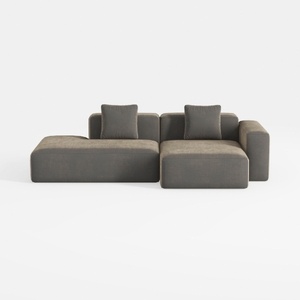
Minimalist Fabric L Shape Sectional Sofa with Throw Pillows 3D Model


Bohemian Rattan Fabric Round Daybed with Decorative Throw Pillows 3D Model
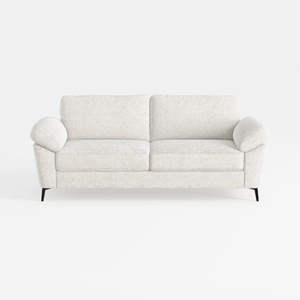
Minimalist Fabric Loveseat Sofa with Black Metal Legs 3D Model
Homestyler is your go-to online home design platform. With its user-friendly design tool, stunning 3D renderings, and a wealth of DIY video tutorials, you can easily create and visualize your dream spaces. Unleash your creativity and transform your home today!
立即免费设计
































