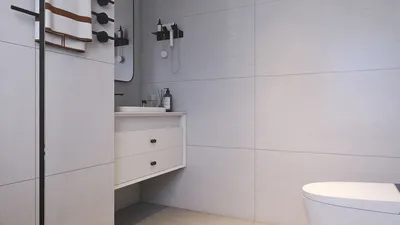


There was a time when I mistakenly installed a bathroom door in the reverse direction because a sophisticated hinge caught my eye. My client humorously labeled it a ‘surprise entrance,’ and we both had a good laugh until we made the necessary corrections. Experiences like this have shown me that even in limited spaces, creativity can flourish, and selecting the appropriate door can significantly influence both functionality and ambiance. If you’re considering innovative bathroom door design ideas, I’ve compiled five that I have personally implemented in various projects, along with some key considerations and a useful resource on bathroom door styles that I frequently share with clients using Homestyler.
Pocket Doors for Optimizing Space
Pocket doors slide neatly into the wall and are essential in tight hallways where a swinging door would obstruct a vanity. I installed one in an apartment where maximizing every inch was crucial, transforming the area into a more open space without clashing against towels or bins. They do necessitate a deeper wall cavity and meticulous planning around plumbing or studs, but the benefits of improved space efficiency are remarkable.
save pin
Sliding Barn Doors with Character
Barn doors add unique charm and are surprisingly quick to install; in older homes, I often incorporate soft-close mechanisms to prevent noisy closures at night. However, they do not offer the same sound insulation as traditional swinging doors, so it’s wise to pair them with quality locks or additional sealing if privacy is a priority. These doors provide a cost-effective means to enhance visual appeal while potentially introducing an industrial or rustic element to your bathroom design with Homestyler.
save pin
Frosted Glass Swing Doors for Light Enhancement
In spaces where natural light is limited, frosted or textured glass allows sunlight to filter in while maintaining privacy. One of my clients felt their compact en-suite expanded dramatically after we replaced a solid door with frosted glass. The only drawbacks are the compromise on sound privacy and the necessity for a more robust frame, but contemporary laminated glass options address most security concerns effectively. If sound or visibility poses a problem, opting for thicker frosted glass accompanied by a full stop seal will enhance both privacy and aesthetics.
save pin
Bi-fold and Concertina Doors for Flexible Solutions
Bi-fold doors hinge elegantly and are ideal for shorter walls or converting closets into wet rooms. I have utilized them in vacation rentals where adaptability was essential; they occupy minimal floor space yet may seem fragile when inferior hardware is employed. Invest in strong tracks and ensure the alignment is precise—proper installation is more important than the doors themselves. For efficient planning, sketch a quick layout using Homestyler before purchasing hardware.
save pin
Ventilated Doors and Modern Hardware for Comfort
It’s crucial not to overlook ventilation and locking mechanisms: louvered panels or undercut bottoms facilitate airflow in bathrooms devoid of windows, and smart locks enhance convenience while preserving the overall style. For a loft conversion I worked on, I recommended a magnetic latch and moisture-resistant paint—small touches that prevent long-term damage from humidity. If you want to visualize finishes and lighting together, consider creating a design mockup with Homestyler to avoid unexpected reflections or perspective issues.
save pin
Frequently Asked Questions
Q1: Which type of door is ideal for a compact bathroom? Pocket doors or bi-fold doors typically work best as they eliminate or minimize swing space, enhancing circulation. Just remember to consider the wall structure needed for pocket doors and durable tracks for bi-folds.
Q2: Are sliding barn doors suitable for privacy in a bathroom? While barn doors are visually appealing, they can often leave gaps; consider adding seals or an internal latch if privacy is a significant concern. They work well for guest bathrooms where complete soundproofing is not necessary.
Q3: What should be the width of a bathroom door? A typical width for comfort is between 30 to 36 inches, but doors can also measure as narrow as 24–28 inches in smaller homes. If accessibility is vital, follow ADA guidelines, which recommend a minimum clear width of 32 inches when the door is opened to 90 degrees (for more details, consult https://www.ada.gov/2010ADAstandards_index.htm).
Q4: Can glass doors be used in bathrooms? Absolutely—frosted or textured glass provides privacy while allowing light to enter, enhancing the feeling of space. Opt for laminated or tempered glass combined with a moisture-resistant frame for better safety and longevity.
Q5: Do pocket doors offer better sound insulation than swinging doors? Not necessarily; pocket doors can transfer noise through the wall space, so utilizing seals and denser materials is advisable if sound privacy is important. A solid-core pocket door equipped with perimeter seals performs significantly better.
Q6: How can I prevent a bathroom door from warping? Use paint that resists humidity, ensure proper ventilation, and avoid areas directly exposed to splashes. Sealing the edges of the door can also be helpful. Select materials specifically rated for bathrooms—engineered or PVC-clad doors perform well under these conditions.
Q7: Is it costly to change the type of bathroom door? The expense can vary: replacing hardware or panels is usually affordable, while installing a pocket door or integrating glass may lead to higher labor and material costs. I always anticipate unplanned framing or plumbing modifications in older houses.
Q8: Where can I visualize various door options before making a decision? Employ simple mockups or 3D renders to assess how light, finishes, and swing work together—this can prevent costly errors. Many design professionals, including my studio, use rendering previews with Homestyler to validate choices before progressing with material orders.
save pin
Discover your dream space with Homestyler! This user-friendly online design platform offers a powerful design tool, stunning 3D renderings, and a wealth of DIY video tutorials. Whether you're a beginner or a seasoned designer, Homestyler makes creating beautiful interiors an inspiring journey.
Diseño ahora GRATIS
































