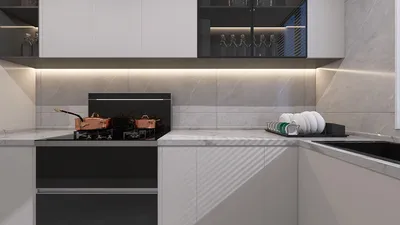


I once worked with a client who was determined to have a bright pink backsplash against their white cabinets and concrete floors. Despite my attempts to steer them in a different direction, the end result was a kitchen that radiated joy and modernity. This experience taught me a valuable lesson: in smaller kitchens, bold choices and creative details often outperform sheer square footage. In this article, I’ll share five innovative backsplash tile ideas for kitchen spaces, inspired by over a decade of small-kitchen projects and intriguing client requests, all while incorporating the capabilities of Homestyler.
1. Subway tiles with contrasting grout
Timeless 3x6 subway tiles rarely go out of fashion. I prefer using contrasting grout—dark on white tiles or warm gray on lighter shades—to highlight the grid effect and enhance the texture of the walls. The advantage lies in their affordability and ease of replacement; however, grout maintenance can be a drawback. A quality sealant and stain-resistant grout can save you time in the long run.
save pin
2. Bold patterned encaustic-look tiles
To add personality, I often opt for encaustic-look porcelain tiles that imitate the charm of hand-painted cement patterns. These tiles serve as stunning focal points behind a stovetop or sink while effectively camouflaging splashes. However, they may feel overwhelming in very small kitchens, so I typically limit their use to one section for maximum visual impact at a reasonable cost, along with easier updates in the future.
save pin
3. Full-height slab or large-format porcelain
For a sleek and high-end aesthetic, I recommend using a single large-format porcelain slab as a backsplash. This design choice eliminates grout lines and is incredibly low-maintenance—ideal for smaller kitchens where quick cleaning is essential. Although the initial cost might be higher and requires precise templating for outlets, the serene and simple look it provides is well worth the investment.
save pin
4. Metallic or glass mosaics for light bounce
In a windowless galley kitchen, I once installed small glass mosaics with subtle metallic finishes to enhance the light and create the illusion of space. These tiles shimmer under task lighting and work beautifully behind cooking areas. However, they can show water spots and need careful cleaning, so they are best suited for areas where visual appeal outweighs routine maintenance.
save pin
5. Vertical ribbed tiles for added height
Using vertical, ribbed ceramic tiles can instantly draw the eye upward, which is a useful trick in kitchens with low ceilings. They introduce texture without overwhelming patterns and complement open shelving nicely. The main concern is achieving perfectly aligned ribs during installation for a polished look, but a skilled tiler can make it work beautifully.
save pin
Tips 1:
Budget tip: Consider incorporating a strip of patterned tiles alongside simpler tiles to keep costs manageable. A practical suggestion is to maintain a cohesive color palette across countertops, cabinetry, and backsplash to create an impression of a larger space. If you're planning layouts or wish to visualize tile placements, explore 3D planning options with tools like Homestyler to preview materials before making purchases.
save pin
FAQ
Q: What backsplash tile is ideal for a small kitchen?
A: Opt for tiles that reflect light and minimize visual clutter—large-format slabs, glass mosaics, or vertically arranged tiles work wonderfully. It's also wise to consider upkeep and your household’s cooking habits.
Q: How high should my backsplash extend?
A: Standard heights range from 4 inches for a minimalistic appearance, 18 inches behind countertops, to full-height for a striking, easy-to-clean surface. Full-height is especially beneficial behind stovetops.
Q: Are subway tiles no longer in style?
A: Not at all—subway tiles remain timeless. A contemporary grout color or an unconventional installation layout (like herringbone or vertical stacks) keeps them fresh.
Q: Can I mix various tile styles in a small kitchen?
A: Yes—restricting a bold tile to an accent area helps balance visual impact and cost. Pairing a patterned accent with neutral tiles promotes harmony.
Q: Which tile material is easiest to maintain?
A: Porcelain and large-format slabs are among the easiest to care for, thanks to their low porosity and fewer grout lines.
Q: How do I select grout color?
A: Match the grout to the tile for a seamless appearance, or choose a contrasting color to highlight patterns. Use epoxy grout for durability in high-splash areas—the manufacturer's datasheet is the best reference for performance specifications (for instance, refer to MAPEI technical guides).
Q: Can I refresh my backsplash without a complete renovation?
A: Absolutely—methods like peel-and-stick tiles, over-tiling, or painting existing tiles with appropriate primers can quickly revitalize a space; however, long-term durability varies by technique.
Q: Where can I virtually experiment with tile layouts?
A: Utilizing an online kitchen layout planner, such as Homestyler, allows you to visualize tile configurations and spatial relationships before purchasing materials.
save pin
Discover the joy of home design with Homestyler! This user-friendly platform offers a powerful online design tool, stunning 3D renderings, and a wealth of inspiring design projects. Plus, learn with easy-to-follow DIY video tutorials. Transform your space effortlessly—get started today!
Diseño ahora GRATIS
































