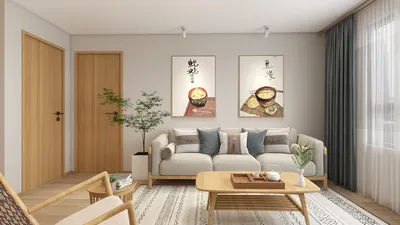


I once made the mistake of installing a picture light too low, which caused an expensive canvas of a client to suffer as wax dripped from a candle placed in front of it. This rookie oversight taught me the importance of considering lighting placement and real-life habits. In small spaces, creativity is essential: a single wall can transform into an art gallery, a cozy reading nook, or a focal point in a tiny living room with appropriate wall lighting. In this article, I’ll provide five innovative art wall light ideas I've implemented in various kitchen nooks and studio renovations, along with practical tips on installation and crucial things to remember.
1. Adjustable Swing-Arm Picture Lights
Swing-arm picture lights are favorites of mine because of their flexibility—the arms can pivot, allowing you to adjust the angle whenever you rearrange artwork or furniture. They are ideal for compact living spaces since they do not take up floor area while providing focused illumination. However, wiring can be a concern: hardwired installations may look sleeker but require an electrician, whereas plug-in versions are simpler but necessitate careful cord management. In a recent studio project, I utilized a dimmable LED swing-arm light, enabling my client to lower the brightness for cozy movie nights.
save pin
2. Slim LED Washers for Gallery Walls
Slim LED wall washers deliver uniform lighting across multiple picture frames, making them excellent for collages or series of prints. They evoke a museum-like atmosphere without bulky fixtures, and their low heat output is safer for older artworks. A slight challenge lies in achieving precise alignment; incorrect measurements can lead to a patchy wash. In a recent hallway revamp, I paired a washer with a narrow shelf for small sculptures to create an engaging layered display.
save pin
3. Integrated Picture Frame Lighting
The integrated lighting built directly into frames or floating mounts is a brilliant solution for small areas. This design maintains a clean silhouette, eliminating visual clutter from fixtures around the artwork. However, the trade-off is that custom frames might be more costly and less flexible if you frequently change art. I once recommended magnetic, illuminated float frames to a client who updates their prints monthly—this makes the process simple and hassle-free.
save pin
4. Directional Wall Sconces with Adjustable Heads
Directional wall sconces not only highlight art effectively but also provide ambient lighting, making them ideal for multipurpose spaces. Their versatility allows you to direct light where needed, and they can fold back when not in use. Keep in mind they may protrude slightly, so opting for a low-profile design is best for tight corridors. In a compact dining and living area, I installed two adjustable sconces to emphasize a primary painting while creating an inviting mood for dinner gatherings.
save pin
5. Picture Track Lighting
Track lighting offers the utmost flexibility: you can slide, tilt, and reposition fixtures along the track to adapt to changing exhibitions or seasonal decorations. This setup is particularly advantageous for renters seeking impact without the permanence of fixed installations. However, the downside is that tracks can sometimes appear industrial; selecting a slim, color-coordinated track helps it blend seamlessly with the ceiling. In a loft, I installed a matte-black track that elegantly framed a dynamic collection, and the client appreciated how easily they could recompose their art display.
If you’re interested in visualizing any of these lighting setups before making a purchase, I often direct clients towards online tools like room planners. These resources help test scale and sightlines, helping you avoid my earlier blunders related to improper height placements.
save pin
FAQ
Q: What is the best wall light for highlighting art in a small room?
A: In small spaces, slim LED washers or adjustable swing-arm lights work excellently, as they offer concentrated illumination without occupying floor space. Consider using dimmable LEDs to help control the ambiance.
Q: How high should art wall lights be installed?
A: Generally, position the lights so the beam centers around one-third down from the top of the artwork; this often means mounting the fixture approximately 6–8 inches above the frame for most wall lights.
Q: Are LEDs safe for artwork?
A: Yes, modern LEDs release very low UV and heat compared to halogen, making them a safer choice for most artworks in the long run.
Q: Can renters install picture lights without drilling?
A: Absolutely! You can use plug-in picture lights, command-strip compatible hooks for lightweight fixtures, or floor/ladder-mounted picture lamps to avoid making holes.
Q: How do I reduce glare on framed glass art?
A: To minimize glare, employ angled fixtures, anti-reflective glazing, or position the lights to skim the surface rather than directly hitting the glass.
Q: What color temperature is best for artwork?
A: A neutral warm white (around 2700K–3000K) typically enhances the appeal of paintings and prints, but for precise color fidelity, choose LEDs with a CRI above 90.
Q: Where can I experiment with visualizing these lighting concepts before purchasing tools?
A: You can use a free floor plan creator to test different placements and scales in a virtual mock-up; this process helps to avert awkward installations and ensures the sightlines work well with your furniture.
Q: Are there resources that provide recommendations about lighting and conservation?
A: Indeed, the Getty Conservation Institute offers guidance on light exposure and conservation practices for artworks (see: https://www.getty.edu/conservation/).
save pin
Discover the ease of home design with Homestyler! This user-friendly platform offers an intuitive online design tool, stunning 3D renderings, inspiring design projects, and helpful DIY video tutorials. Bring your vision to life effortlessly, whether you're a novice or a seasoned designer!
立即免费设计
































