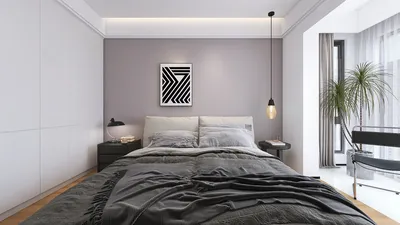


With over a decade of experience in interior design, I've witnessed remarkable transformations where alcoves evolve from mere awkward spaces to captivating focal points. Nowadays, there's a growing trend where small areas like alcoves are utilized more creatively than ever within living rooms. I genuinely believe that compact spaces can ignite grand ideas — hence, in this article, I will share 10 innovative alcove ideas for living rooms, inspired by my own projects and grounded in solid design principles. You can also explore these concepts using tools like Homestyler for visualizing your space better.
1. Built-in Shelving for Display
My Experience: A memorable project involved a Victorian flat where we flanked a fireplace with dual alcoves — converting them into stunning floor-to-ceiling display shelves. This adjustment instantly crafted a curated and personalized atmosphere in the room.
Advantages: This design maximizes vertical storage, minimizes clutter on other surfaces, and lends a purposeful vibe to the alcoves. It also serves as an excellent solution for small living room storage ideas, as highlighted by several design publications.
Disadvantages: Custom-built shelves can be expensive to install; open shelves demand regular cleaning to keep dust at bay.
Suggestion: Whenever feasible, design shelves with adjustable heights to accommodate evolving needs over time.
2. Cozy Reading Nook with Accent Lighting
My Experience: In one client's city apartment, we transformed an alcove by adding a cushioned bench and a wall-mounted lamp — creating a cozy reading corner that turned into her favorite retreat.
Advantages: It efficiently converts unused areas into functional retreats; the lighting accentuates the alcove’s depth, which is ideal for compact layouts where floor space is at a premium.
Disadvantages: This setup may not be suitable for households prioritizing storage; cushions will require periodic replacements.
Example: You can look for cozy built-in alcove inspirations that I've employed in various previous projects.
3. Display Statement Artwork
My Experience: I found that alcoves serve as natural frames — in a recent minimalist penthouse, a striking oversized artwork placed in an alcove became the center of conversation for guests.
Advantages: It heightens visual appeal and is a cost-efficient alternative to fully filling the space. This approach perfectly aligns with a minimalist design concept.
Disadvantages: Large pieces can be quite weighty; there's limited flexibility unless you frequently swap out the art.
Suggestion: Use spotlighting directed from above to ensure the art stands out without any glare.
4. Media Unit Integration
My Experience: In one project, we fit a comprehensive entertainment system into an alcove, which helped keep the main walls unobstructed and provided balance to the space.
Advantages: This arrangement consolidates electronics, hides unsightly cords, and aligns seamlessly with modern living room design trends that favor clean lines.
Disadvantages: The size of the television is constrained by the alcove's dimensions; oversized speakers may create a cramped aesthetic.
Suggestion: Always ensure there’s proper ventilation to prevent electronics from overheating.
5. Creating an Alcove Home Office
My Experience: One of my favorite projects during lockdown involved converting a deep alcove into a functional workstation — perfect for the evolving hybrid work culture.
Advantages: It utilizes previously underused space, offers privacy, and is easy to personalize with shelves and decor. This corresponds beautifully with the rising demand for multi-functional living areas.
Disadvantages: The depth might restrict storage options; careful lighting consideration is vital.
Example: Check out how an alcove office design can fit into even the most compact living rooms, potentially visualized using platforms like Homestyler.
6. Designing an Alcove Bar Area
My Experience: In a small loft, we revamped a nearby alcove next to the kitchen into a stylish bar — complete with a wine cooler nestled underneath.
Advantages: This feature adds entertainment value and can be tailored to match any style — from rustic charm to industrial sleek.
Disadvantages: Including a sink necessitates plumbing; proper storage for alcohol also comes with temperature requirements.
Suggestion: Incorporate mirrored back panels to create the illusion of depth in the alcove.
7. A Decorative Niche with Patterned Wallpaper
My Experience: In one project, I decorated an alcove with bold botanical wallpaper in an otherwise neutral room — it quickly became the highlight of the space for Instagram-ready photos.
Advantages: This choice adds unexpected depth and is an affordable way to refresh the space; it's renter-friendly if using removable wallpaper.
Disadvantages: Bold patterns may overwhelm if overused and may necessitate careful lighting to avoid casting shadows.
8. Enhancing Fireplaces
My Experience: In older homes, alcoves adjacent to chimney breasts are common; I often repurpose them for wood storage or display, effectively adding both charm and functionality.
Advantages: Integrates naturally appealing focal points; the storage feels seamless and adds a cozy touch.
Disadvantages: Not universally applicable to all homes; fire safety distances should always be considered.
Suggestion: Stack logs neatly for a sculptural yet practical aesthetic, even if they're primarily decorative.
9. A Plant-Filled Green Corner
My Experience: I transformed an alcove in a room with limited natural light into a lush display of plants with varied heights and gentle lighting — it dramatically revitalized the space's energy.
Advantages: Enhances air quality, introduces a biophilic design aspect, and visually softens otherwise harsh corners.
Disadvantages: Requires ongoing maintenance and may not be suitable for homes with pets that are sensitive to certain plants.
Example: I’ve observed indoor plant alcoves that rival entire garden corners in both style and vibrancy.
10. Concealing Hidden Storage Cabinets
My Experience: In a family home, we crafted custom doors to hide toys and games in an alcove — maintaining a stylish living room even on the most chaotic days.
Advantages: Keeps clutter away from sight, aligns with minimalist design trends, and allows for customization to match the overall decor.
Disadvantages: Requires meticulous craftsmanship; it may create an illusion of reduced depth in the alcove.
Suggestion: Opt for push-to-open hinges to achieve a neat, handle-free appearance in your design.
Conclusion: A small living room featuring alcoves is not a drawback — it's an opportunity for innovative and thoughtful design. As emphasized by the British Institute of Interior Design, smart space utilization is a hallmark of contemporary interiors. Which alcove idea are you inspired to implement in your home? Don't forget to use platforms like Homestyler for your design exploration!
Frequently Asked Questions
Discover the joy of home design with Homestyler! This intuitive online platform offers a powerful design tool, stunning 3D renderings, and a wealth of design projects and video tutorials. It's perfect for anyone looking to create their dream space effortlessly!
立即免费设计
































