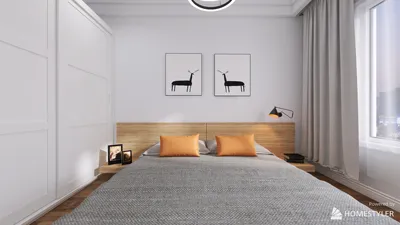


A previous client once insisted on a neon pink accent wall believing that it radiated joy for mornings — spoiler alert: it didn’t quite achieve that. This experience motivated me to explore more daring color schemes and clever placements, leading me to identify some effective approaches for accent walls. If you're searching for innovative accent wall ideas, I have even created digital mockups using Homestyler to help avoid any regrets about repainting.
Maximizing small spaces often encourages significant creativity — transforming a single wall can alter the ambiance of an entire room. Here, I present five of my favorite accent wall paint colors, detailing actual projects I've completed, along with budget-friendly advice and a couple of genuine caveats.
1. Deep Jewel Tones
I have a fondness for rich emerald, sapphire, or amethyst on an accent wall to create immediate visual impact. These vibrant hues anchor the space and enhance lighter furniture, although they can become overwhelming in poorly lit rooms.
Tip: Apply paint only on one recessed wall or the wall behind the bed to achieve a striking effect without overcrowding the area. Investing in a tester pot, which costs around $10, is worthwhile — many clients have changed their minds after lighting effects during one evening with the samples.
save pin
2. Gentle Pastel Ombre
An ombre finish in soft pastels from floor to ceiling adds a gentle character to small spaces while introducing subtle dynamism. This approach is playful yet unobtrusive, making it ideal for nurseries or cozy home offices.
Challenge: Achieving a flawless ombre requires steady hands for the best results; if you're attempting it yourself, consider using a high-quality synthetic sponge and handling small sections. A note on budgeting: blending paints takes extra primer and time, but the end product gives a customized feel.
save pin
3. Vertical Stripes for Added Height
Incorporating vertical stripes in alternating neutrals and colors can create an illusion of higher ceilings and greater space. I adopted this method after working in one apartment that had low ceilings and clients who desired a loft-like ambiance.
This technique also complements focused layouts — when planning furniture arrangements or experimenting with a small space, vertical accents draw the eye upwards and create an impression of volume. The only downside is the need for precision: careful taping and a reliable level are essential.
save pin
4. Textured Neutral Accents
Consider warm greige plaster, chalky limewash, or subtle stucco finishes in neutral shades. Texture adds depth without competing with existing decor, making it an excellent choice for those seeking to maintain a sense of calm sophistication.
Pro tip: Textured paints can conceal wall imperfections, ultimately saving both time and money on skim-coating in renovations. Keep in mind, however, some textures can be challenging to clean, so they may not be suitable for busy kitchens or children’s play areas.
save pin
5. Two-Tone Half Walls
A deep lower color paired with a lighter upper section (for example, deep navy on the bottom and soft cream on top) can effectively frame furniture and offer a modern yet grounded appearance. I applied this design in a compact dining nook where a fully painted wall would have felt too dense.
When dealing with food areas, using a kitchen accent wall in a washable eggshell finish ensures both practicality and style; just remember to select a paint that can withstand cleaning. This approach allows you to economize by limiting premium paint coverage to only half the wall while achieving a striking designer look with tools like Homestyler.
save pin
FAQ
Q1: What colors work best for accent walls in small rooms?
A: Light neutrals or a single bold jewel tone are typically most effective — neutrals can create the illusion of space, while a solitary dark wall adds depth. It's wise to test samples directly on the wall, as lighting can drastically alter color appearance.
Q2: Should an accent wall be lighter or darker than the other walls?
A: Both options are valid depending on the desired effect: darker tones convey drama and depth, while lighter shades provide airiness. Base your choice on ceiling height, natural light availability, and the contrast with your furniture.
Q3: How much paint is necessary for a single accent wall?
A: To determine the needed amount, measure the wall area (height multiplied by width) and refer to the paint can for coverage information; most accent walls will require between 1 to 2 gallons, including primer and touch-ups. It's smart to purchase a bit more paint for possible future repairs.
Q4: Is it possible to create an accent wall on my own?
A: Absolutely — numerous accent walls lend themselves well to DIY, especially simplistic single-color or two-tone styles. However, for intricate textures or ombre patterns, seeking professional assistance may yield a cleaner finish.
Q5: What finish should I select for my accent wall?
A: Eggshell or satin finishes are versatile and forgiving, while matte options help conceal imperfections. Use semi-gloss in areas that face heavy usage, such as kitchen accent walls or high-traffic regions.
Q6: How can I choose an accent color that harmonizes with my furniture?
A: Select a hue from an existing fabric or art piece as your reference and experiment with neighboring shades. I frequently take a cushion from my sofa to the paint store or app to compare swatches under real lighting conditions.
Q7: Are there color guidelines to help a room feel more spacious?
A: Generally, lighter and cooler shades facilitate a sense of openness, while vertical designs like stripes can evoke an impression of heightened ceilings. For scientific insights on color psychology and light reflections, consider resources from experts like Sherwin-Williams, which illustrate how light and finish influence perception.
Q8: How can I refresh an accent wall without repainting?
A: Consider adding removable wallpaper, a large piece of artwork, or wall-mounted panels for an instant update. These options require less commitment and are perfect for renters or those experimenting with styles.
Homestyler is your go-to online home design platform, perfect for transforming your space! With its easy-to-use design tool, stunning 3D renderings, and a wealth of DIY video tutorials, you can effortlessly create and visualize your dream home. Start your design journey today!
Design Now for FREE
































