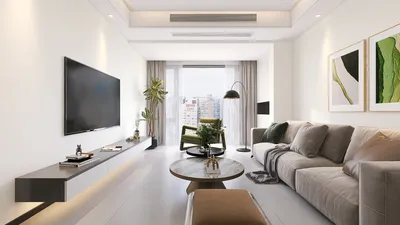


I once managed to persuade a couple that their small nook could accommodate dinner for six, only to witness a folding chair almost giving way during a toast. This minor mishap taught me that small areas require not merely hope but ingenious table solutions. To keep track of what worked—and what didn't—I uploaded a case study of that dining nook project to refer back to.
1. Round Pedestal Tables that Fit Tight Corners
I adore round pedestal tables for their compact design—without legs to bump into, and they foster a sense of closeness among diners, which enhances conversation. The trade-off involves less surface area for serving dishes, so I often complement it with a nearby console or a slim cart to accommodate additional items.
save pin
2. Drop-leaf or Gateleg Tables: Expand Only When Needed
Drop-leaf tables are like the introverts of furniture: small and unassuming most of the time, yet generous when guests arrive. They are budget-friendly and adaptable. However, be cautious, as the leaf mechanism might wobble without proper anchoring or if a flimsy model is chosen.
save pin
3. Wall-mounted Folding Tables: Minimal Footprint
For studio apartments, I frequently suggest wall-mounted fold-down tables, which vanish when not in use and can double as a workspace. In a recent kitchen layout project, this strategy was a hit; the client appreciated the additional floor space. Just remember to account for installation and stability during budgeting.
save pin
4. Bench Seating and Built-in Banquettes
Benches slide neatly under the table, offering more seating per meter compared to chairs. Built-in banquettes with storage capabilities are a dream for tiny spaces, perfect for seasonal linens or children’s toys. While they may require more upfront design effort and sometimes custom work, the benefit in usable space is substantial.
save pin
5. Multi-use Tables: Desk by Day, Table by Night
Convertible furniture is my preferred choice for rooms that must serve multiple functions. A slender console that transforms into a full table or a coffee-to-dining lift table maintains flexibility in a room. To envision this concept, using a 3D dining mockup from Homestyler helped a client visualize the scale before we decided on custom hardware.
Small spaces necessitate choices, and that’s a delightful constraint. When selecting a dining table for a compact residence, consider how often you entertain, if you need built-in storage, and how the table serves daily use. Having made various mistakes myself, I’m here to guide you—most of the time.
save pin
FAQ
1. What size dining table works in a small area?
I generally suggest maintaining at least 36 inches (91 cm) between the table edge and any wall or obstacle for easy chair movement. A 36–48 inch (91–122 cm) round or compact rectangular table usually fits comfortably for 2 to 4 individuals.
2. Are round tables better for small spaces?
Round tables save space by facilitating smoother traffic flow and can accommodate more people in tight quarters. The only downside is that they provide less usable edge space for serving dishes if needed.
3. How much clearance do I need behind chairs?
Allowing 36 inches (91 cm) behind chairs is a prudent guideline, ensuring guests can both sit and stand comfortably. This advice conforms to standard kitchen and dining layout recommendations from industry sources (see NKBA).
4. Is a drop-leaf table sturdy enough for everyday use?
A well-constructed drop-leaf table equipped with proper support is perfectly suitable for daily usage. However, cheaper models may sag or waver, so it's essential to check the hardware and materials before making a purchase.
5. Can benches really replace chairs?
Benches are space-savers and typically accommodate more diners, though they can be less comfortable for extended meals unless cushions are added. They work well for casual settings and families with children.
6. How do I choose a table finish for a small dining area?
Lighter finishes and glass tops can visually open up a space, while darker woods impart warmth but may feel weighty. When selecting materials, take the room’s lighting and your storage needs into account.
7. What’s the easiest table to install in a rental?
Freestanding options, such as small round tables or foldable dining tables, are perfect for renters since they require no permanent alterations. Wall-mounted fold-down tables can also work well, but be sure to check with your landlord first.
8. Where can I find layout ideas for tight dining spaces?
I recommend exploring professional layout case studies and 3D render examples to discover real solutions. For industry best practices, you can visit the National Kitchen & Bath Association (NKBA) at https://nkba.org for detailed guidelines on spacing and ergonomics.
save pin
Homestyler is your go-to online home design platform, perfect for both beginners and experienced designers. With its user-friendly design tool, stunning 3D renderings, extensive design projects, and helpful video tutorials, you can effortlessly create and visualize your dream space. Start designing today!
Diseño ahora GRATIS
































