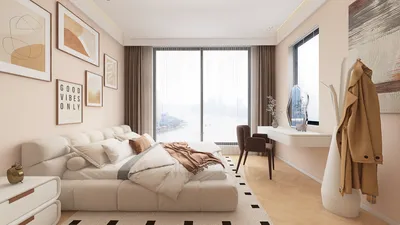


As an interior designer with over ten years of experience, I’ve observed a fascinating shift in the industrial design style. It has transitioned from its roots in loft apartments to find a cozy place in residential homes and compact living spaces. My belief is that smaller areas foster greater creativity, and industrial design beautifully showcases this with its authentic materials and rugged textures. In this article, I will present ten industrial-style living room ideas, combining my personal project insights with expert recommendations, all while integrating the capabilities of Homestyler for design execution.
1. Open Brick Walls
My Personal Insight: I once renovated a 28 m² loft where we uncovered stunning old brick behind plaster. The change was immediate—welcoming and genuine.
Advantages: Exposed brick adds a timeless charm, complementing industrial-themed small living rooms effortlessly. Architectural Digest studies reveal that such features enhance the warmth perception in minimalist settings.
Disadvantages: Maintenance can lead to dust issues, and some walls may hide essential utilities, making them unfit for exposure.
Recommendation: Apply a sealant to safeguard the brick, minimizing dust while preserving its texture.
2. Metal and Wood Shelves
My Personal Insight: By mixing reclaimed wooden boards with black metal framing, I transformed a client's cramped wall into a striking storage solution.
Advantages: This combination offers practical vertical storage while infusing industrial aesthetics, especially suitable for space-limited apartments.
Disadvantages: Ensure you use robust wall anchors for heavy shelves, as inadequate support can lead to sagging or accidents.
Explore how combining wood and metal shelving can define a room's character based on various layouts I've designed with Homestyler.
3. Vintage Leather Couch
My Personal Insight: I found a distressed leather Chesterfield for a client, which became the centerpiece of their living area.
Advantages: It ages gracefully, is easy to maintain, and resonates with an industrial chic feel, harmonizing beautifully with metal and brick.
Disadvantages: In very compact spaces, it may occupy too much room—be sure to measure before making a decision.
4. Industrial Lighting Fixtures
My Personal Insight: Utilizing exposed bulbs within cage pendants can transform a room into an industrial haven, even in a contemporary condo.
Advantages: These fixtures are budget-friendly and dramatically alter the perceived height of the ceiling, according to lighting design professionals.
Disadvantages: Uncovered bulbs may create glare; choosing warm LED options ensures a comfortable ambiance.
5. Concrete Feature Walls
My Personal Insight: I recently used microcement on a TV wall; it added an industrial texture while avoiding the chill usually associated with left raw concrete.
Advantages: It introduces a minimalist edge, ideal for open-plan designs.
Disadvantages: This is not a beginner DIY project—professional application is essential to prevent cracks.
6. Expansive Factory Windows
My Personal Insight: Black metal-framed windows provide an influx of light into smaller rooms, helping maintain an airy feeling within industrial interiors.
Advantages: They help maximize natural light and establish a connection with the outside, perfect for incorporating biophilic elements.
Disadvantages: Custom metal frames can be high in cost, and managing thermal insulation is another factor to consider.
Check out how factory-style window designs can change a room's atmosphere in some of my earlier loft work featured on Homestyler.
7. Open Media Shelving
My Personal Insight: We replaced a bulky TV cabinet with open metal shelving for a client, resulting in a lighter atmosphere and extra display space.
Advantages: This approach creates an impression of increased space, lowers visual clutter, and aligns perfectly with minimalist-industrial aesthetics.
Disadvantages: Increased dusting is necessary, and unless planned carefully, there’s limited space to conceal cables.
8. Layered Rugs on Concrete Floors
My Personal Insight: Adding a jute rug underneath a patterned kilim introduced warmth and vibrancy without overshadowing the industrial flooring.
Advantages: This technique enhances comfort and helps delineate areas in open layouts; it also allows for easy seasonal updates.
Disadvantages: Unsecured layers may slide; careful selection of sizes is crucial.
9. Attention-Grabbing Art on Large Walls
My Personal Insight: Industrial settings thrive on bold, oversized artworks—murals or striking black-and-white photos can make all the difference.
Advantages: Such pieces introduce character and attention, breaking the monotony of neutral tones common in industrial designs.
Disadvantages: Sizing must be proportional—too small, and it gets overlooked; too large, and it overshadows the space entirely.
One of my favorite installations featured an art piece next to an open kitchen's industrial shelving for a cohesive feel.
10. Mixed Textures with Cozy Accessories
My Personal Insight: Combining velvet cushions, faux fur throws, and linen drapes can effectively soften the ruggedness of industrial designs.
Advantages: This mix balances the harsh materials with inviting comfort, making the surroundings cozy throughout the year.
Disadvantages: Care instructions vary—mixing textures means managing different cleaning techniques.
Conclusion
A compact industrial living room is not a constraint; it represents a canvas for innovative design. As Elle Decor emphasizes, striking the right balance between raw materials and elements of comfort is crucial for a stylish yet livable space. Which of these ideas would you like to explore more using Homestyler in your own home?
FAQ
1. What defines industrial style in living spaces?
It is a design aesthetic inspired by factories and warehouses, utilizing raw materials like exposed brick, metal, and reclaimed wood.
2. Can industrial style be adapted to smaller living areas?
Absolutely, with clever design planning—Houzz's trend reports indicate that industrial decor excels when integrated with space-saving furnishings.
3. How can warmth be introduced to an industrial environment?
Incorporate layered rugs, soft furnishings, and opt for warm-toned lighting.
4. Are concrete walls costly to install?
Microcement finishes generally cost less than precast panels and are ideal solutions for accent walls.
5. Do metal-framed windows pose energy efficiency issues?
They can, but modern thermal break technology significantly mitigates heat loss.
6. What color schemes work well in industrial living rooms?
Neutral hues like gray, black, and white complemented with warm accents such as tan leather or brass details.
7. Is industrial lighting typically harsh?
Exposed bulbs can indeed be glaring, therefore it's advisable to choose dimmable warm LEDs for better comfort.
8. Is it possible to merge industrial design with other styles?
Definitely—industrial design harmonizes wonderfully with Scandinavian minimalism, a blend I've successfully created in various projects showcased in my mixed-style portfolios.
Looking to transform your space? Homestyler is your go-to online home design platform! With an intuitive design tool, stunning 3D renderings, a wealth of design projects, and engaging DIY video tutorials, you can effortlessly bring your dream home to life. Start creating today!
تصميم الآن مجانا
































