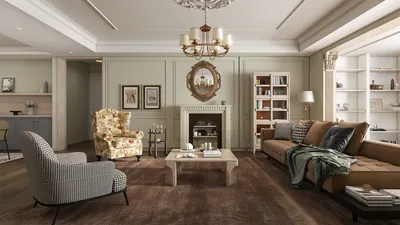


I’ve captured moments of families in various homes, from cozy city apartments to expansive suburban residences, and the standout images often come from spaces that radiate authenticity. A successful home photoshoot does not necessitate professional studio equipment; instead, it requires careful thought—adequate lighting, an efficient layout, and elements that keep both children and adults at ease. The result is both timeless and uniquely personal.
The foundation of great photography lies in light. Aim to capture about 300–500 lux of ambient lighting in living spaces to achieve clear and realistic exposure without harsh shadows; these levels align with common residential recommendations from the IES for visual comfort and clarity in tasks. The colors in your environment are crucial too: soft, neutral tones can enhance skin color accuracy, while research from Verywell Mind indicates that warm colors can foster feelings of comfort and connection—important factors when training children for a portrait. For longer sessions, WELL v2 highlights that managing glare and providing balanced lighting improves visual comfort. If you have multiple zones for the shoot, minimize glare by diffusing direct sunlight with sheer curtains and reflecting light off light-colored walls.
Selecting Your Ideal Room and Time
Typically, I begin the session in the living room or primary bedroom with ample windows. North-facing windows deliver consistent, soft lighting; late afternoon light provides a warm atmosphere without causing squinting. Maintain a simple background—consider a feature wall, a well-organized bookshelf, or a textured sofa for visual interest. If you want to test your home's layout beforehand, a room design visualization tool, such as Homestyler, can help you assess the flow and camera placements prior to your shoot:
home design visualization tool
Lighting Technique: Natural Light First, Fill Light Second
Position your subjects at a 45-degree angle to the window for flattering facial shadows. If the light seems flat, consider using a small bounce—like a white foam board or a neutral reflector—across from the window. Set the color temperature between 3000–4000K for warm skin tones—warmer tones for evening and neutral for daytime settings. Avoid mixed-lighting scenarios: disable overhead lights that might introduce unwanted color casts and stick to window light alongside a single, consistent LED source. Also, take into account storytelling through acoustic comfort; quieter spaces allow for candid moments without raised voices or disruptive noises.
Framing Families: Composition That Breathes
Think in terms of layers. Begin with a seated family member on a sofa; arrange standing parents behind and children in front, engaged in activities like reading, stacking blocks, or interacting with a pet. Utilize leading lines (like window outlines or rug designs) to direct focus towards faces. Ensure spatial ratios are well-balanced: leave negative space around the group to avoid a crowded appearance and maintain headroom above the tallest member. For capturing couples with little ones, shoot from their eye level to create intimacy.
Natural-Looking Posing
Start with action-based prompts: “Walk hand-in-hand toward the window,” “Whisper a secret,” or “Engage in a tickle fight for three seconds, then stop.” These subtle movements can elicit genuine expressions. For older family members, ensure they are seated comfortably with proper arm support (ergonomic considerations are vital for lengthy sessions), then position the kids around them. Encourage gentle physical connections—like a hand on a shoulder or cheek-to-cheek cuddling—to foster intimacy without feeling stiff.
Wardrobe and Color Choices
Aim for coordination, not exact matching. Select two neutral colors (like oat, stone, or navy) and one accent color that complements your home decor. According to Verywell Mind’s color psychology insights, blues can evoke calmness, while soft yellows create an optimistic mood—ideal for families with active kids. Avoid stark black-and-white combinations as they tend to clip tones in photographs. Fabrics such as knits, linen, and denim can introduce dimension without overwhelming patterns.
Decluttering with Purpose
Remove any items that distract from faces, such as stray wires, brightly colored toy bins, or tissue boxes. Retain personal items that reflect family identity—like cherished books, handmade quilts, or framed art—since they contribute to the family's narrative. If you need to create a quick alternative scene, slightly rotate a chair, swap a throw blanket, or shift a plant to the other side for better visual balance.
Camera, Phone, and Settings Overview
Using a smartphone is perfectly adequate for this task. Use portrait mode cautiously; stepping back and zooming 2x often yields a cleaner perspective. Ensure you lock focus on the eyes and slightly decrease exposure to retain highlights. If you opt for a camera, a 35mm or 50mm prime lens is preferred, starting with an aperture of f/2.8 to f/4 for groups, ISO settings between 200 and 800 depending on light, and a shutter speed of 1/250 to freeze motion. Consistent white balance will save you time during post-editing.
Planning Layout and Flow
Outline three micro-scenes: a cozy window nook (for natural candid shots), a sofa arrangement (for posed family photos), and a hallway or doorway (for dynamic movement captures). Organize transitions carefully so the children remain engaged—spending about five minutes per scene with intervals for snacks. Should you experiment with furniture positioning to maximize natural light or sightlines, consider using an interior layout planner like Homestyler to visualize where the camera and subjects should be for each setup:
interior layout simulation tool
Strategies for Small Spaces
In tighter living spaces, shoot at an angle to create depth. Position subjects near the brightest corner, keeping the opposite corner darker for a subtle separation effect. Frames within frames can be achieved using doorways. If overhead lights create glare, turn them off and rely on window light paired with one diffused lamp behind you.
Keeping Kids Engaged
Quickly shift prompts: a familiar song, a fun guessing game, or “show me your biggest hug.” Assign them small tasks, like holding a reflector, picking the next pose, or selecting the prop. This sense of ownership decreases resistance and encourages authentic smiles. Choose non-messy snack options—like crackers, dried fruits, or sips of water—between sets.
Creating the Right Sound and Atmosphere
Soft background music can help modulate energy and allow adults to relax. Avoid rooms with echo; plush rugs and curtains minimize reverberation, enhancing focus and instilling a calming atmosphere. I’ve observed that quieter environments lead to more natural expressions and increased eye contact.
Editing Techniques to Maintain Authentic Skin Tones
Adjust exposure slightly, raise shadows gently, and keep contrast low. Warm the white balance if skin tones appear too cool. Retouch with restraint—only remove flyaways and temporary blemishes. Batch-edit for uniformity across the series, maintaining grain structure if captured in low light for a natural aesthetic.
Ensuring Safety, Comfort, and Proper Timing
Check for potential trip hazards—like light stands and cables—keep hot drinks away from the set, and provide a safe resting area for toddlers. Limit sessions to 45–60 minutes; beyond this, fatigue can show in their expressions and posture. If anyone needs a break, don’t hesitate to take one—authentic family chemistry shines through more than perfect conditions.
Quick Reference Shot List
- Full family on the sofa, alternating smiling and neutral expressions
- Parents embracing, kids engaged in foreground play
- Grandparents comfortably seated, grandchildren hugging from behind
- Spontaneous hallway walk, holding hands
- Close-up of hands, rings, or family heirloom accessories
- Individual portraits of children at the window
- Family on the bed, with feet tucked, sharing laughs
- Including pets with treats and gentle cues
Frequently Asked Questions
Q1: What time of day is optimal for indoor family photography?
A1: Late morning or late afternoon provides soft, directional lighting without harsh contrasts. If you have north-facing windows, you'll enjoy consistent light for extended periods.
Q2: How bright should the room be for best results?
A2: Aim for approximately 300–500 lux of ambient light for clean exposure in living spaces. Mitigate glare by diffusing direct sunlight with curtains or sheers for a pleasant viewing experience and consistent color reproduction.
Q3: What color temperature settings work best?
A3: Maintain a range of 3000–4000K for warm, realistic skin tones. Avoid using mixed light sources; opt for either filtered daylight or a single consistent LED source.
Q4: How can I pose a large family to avoid a crowded look?
A4: Use layered posing: seated individuals as anchors, with standing support behind them, and children in front or on laps. Ensure ample headroom and stagger shoulders for breathing space.
Q5: What should we wear for a photoshoot?
A5: Coordinate neutrals with one accent shade. Opt for textured fabrics over busy patterns and steer clear of high-contrast black-and-white combinations that may lose tonal detail in photographs.
Q6: Is it possible to achieve good photos in a small apartment?
A6: Definitely. Shooting at an angle adds depth, utilizing window light as the primary source while keeping backgrounds uncomplicated. Doorways can serve as natural framing devices.
Q7: How can I keep children engaged during the shoot?
A7: Use short prompts, quick transitions between scenes, and assign them small roles (like choosing props or helping with the camera) to keep up enthusiasm and engagement.
Q8: What essential equipment should I use?
A8: A smartphone or camera, a neutral reflector (like a piece of white foam board), an adjustable LED lamp, and a stable surface or tripod for group shots will suffice.
Q9: How can I manage mixed lighting conditions?
A9: Turn off any overhead lights that create color casts, rely on window light, and incorporate one LED light set to the same color temperature. Keep white balance fixed to prevent shifts.
Q10: Any quick tips for editing?
A10: Make minor adjustments to exposure, use soft contrast, limit retouching, and ensure consistent white balance across the entire set. Save a preset for easy access in future family photoshoots.
Q11: How do I handle noise and distractions during the shoot?
A11: Select a room featuring soft materials to minimize echo, play calming music at low volume, and silence notifications. A peaceful environment encourages genuine expressions.
Q12: What duration should I plan for the session?
A12: Aim for a session length of 45–60 minutes with built-in breaks. Fatigue can impact posture and smiles, so wrap things up on a positive note before kids get tired.
Homestyler is your go-to online platform for home design! With its user-friendly design tool, stunning 3D renderings, and a plethora of inspiring design projects and DIY video tutorials, transforming your home has never been easier. Unleash your creativity today!
立即免费设计
































