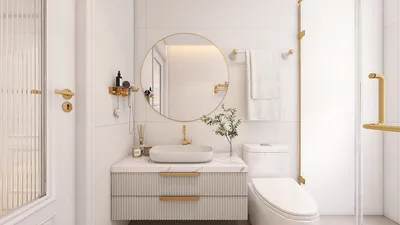


Approaching the lighting in a pooja room, I see it as a layered design—beginning with a gentle ambient glow that establishes a peaceful foundation, followed by targeted accents that pay homage to deities and artifacts, and functionality provided by subtle task lighting for rituals. The objective is to create a luminous environment that feels sacred yet serves practical needs, where factors like color, brightness, and positioning subtly influence behavior and focus.
Research consistently illustrates how lighting impacts both mood and well-being. The WELL v2 guidelines recommend reducing glare and enhancing visual comfort by maintaining balanced illumination levels; to implement this, I typically set ambient lighting around 100–200 lux during daily prayers, while accent lighting can reach between 300 and 500 lux for idols and sacred items. Studies by Steelcase underline the connection between environmental comfort and increased engagement; thus, carefully adjusted lighting can alleviate eye strain and enhance emotional tranquility during rituals. For further insight, explore the WELL v2 framework at wellcertified.com.
The psychological effects of color are significant in devotional spaces. As noted by Verywell Mind, warm colors foster comfort and intimacy, which is mirrored in my choice of warm white lighting (2700–3000K) for calming evening aarti, and neutral white (3000–3500K) when clarity is essential for reading mantras or organizing offerings. I steer clear of overly cool hues in small pooja rooms; they can impart a sterile feel that estranges the user from the ritual experience.
Layered Lighting: Establishing a Radiant Core
Ambient lighting serves as the bedrock of the space. My preference leans toward diffused ceiling coves, subtle pendants, or backlit panels equipped with dimming options. In smaller pooja sections of living areas, I utilize a linear LED hidden in a shallow cove along the upper wall, gently illuminating the shrine while avoiding hotspots or harsh glare. For effective planning within the home's layout, I employ a room design tool to test sightlines and switch placements early on, ensuring the area elicits reverence the moment it is seen.
Accent Lighting: Celebrating Idols and Artifacts
Accent lighting enhances the focal points of devotion. I use flexible mini spotlights, picture lights above framed pieces, or micro-LED strips ingrained into mandir brackets, accentuating forms and materials. Beam spreads of 15° to 30° are set for precise highlights on the deity’s face or hands while minimizing spill onto reflective brass surfaces. If your shrine features gold leaf, polished marble, or glass elements, consider cross-lighting with two smaller fixtures to mitigate glare and specular highlights.
Task Lighting: Clarity for Rituals
Ritual activities such as reading, placing offerings, and lighting diyas can benefit from a slight boost in brightness. A sleek, dimmable under-shelf LED at 3500K provides adequate visibility without overshadowing the ambient atmosphere. Arrange switches to facilitate an effortless transition from ambient to task lighting; I frequently utilize a two-scene preset to distinctly cater to aarti and meditation settings.
Color Temperature and Sacred Atmosphere
Warm white lighting (2700–3000K) encourages introspection and suits evening practices. Neutral white light (3000–3500K) harmonizes warmth with clarity, making it favorable for morning puja when activities like reading or arranging flowers are common. It's crucial to maintain consistency; blending multiple color temperatures in a compact shrine can create visual confusion. If you desire a celebratory ambiance for festive occasions, consider adding a subtle RGB accent while keeping saturation low; a soft amber glow can invigorate without appearing overly dramatic.
Minimizing Glare for Visual Comfort
Glare hampers the immersive quality of the space. I prefer recessed downlights and select fixtures with baffles or diffusers. When using highly reflective materials such as mirror-finished metals or crystal diya holders, I position lights strategically to prevent direct reflections from hitting eye level. Guidelines from the IES on glare control remind us of the importance of shielding and uniformity; in practice, I ensure that light transitions are smooth from the approach path to the shrine.
Material Combinations for Visual Harmony
Lighting should harmonize with the chosen materials. Warm LEDs enhance the beauty of teak, rosewood, brass, and terracotta, while neutral white lighting complements the elegance of white marble, limestone, and silk backgrounds. When incorporating jali screens, backlighting with low-lumen strips can create delicate, lace-like shadows that evoke intimacy. Utilizing non-reflective finishes around switch plates and fixture trims helps maintain focus on the sacred center.
Balancing Acoustics and Sensory Experiences
A pooja room transcends mere lighting—it serves as an environment that engages sight, sound, and scent. Soft materials like rugs and cushioned benches help absorb sound, while adjustable lighting aligns with the rhythms of chanting. I avoid noisy drivers or flicker-prone LEDs; opting for quality drivers with high-frequency modulation ensures no distractions arise during extended periods of meditation.
Fire Safety and Electrical Considerations
For safe use of diyas and incense, it’s essential to maintain appropriate clearances. Keep flammable decor away from LED strips and wiring pathways. Opt for UL-listed or equivalently certified fixtures, along with a dedicated circuit that includes an accessible isolator. If the shrine door closes, proper ventilation must be ensured to manage smoke and heat, additionally avoiding the placement of LED drivers in non-ventilated spaces.
Festive Lighting: Temporary Decorations Enhancements and Smart Control
Seasonal lighting can be elegantly understated instead of overly busy. Consider adding a fine string of warm micro-LEDs behind the mandir frame during Diwali, and then returning to the tranquil base once the festivities conclude. Utilizing smart dimmers with scene-saving capabilities allows for easy transitions between daily, aarti, and meditation settings without the need to interact with multiple switches.
Strategies for Small Spaces
In apartment settings, I design vertical lighting: a cove at the top, a backlit panel behind the deity, combined with a low-level footlight to indicate the entrance. This stacked arrangement of light layers without occupying floor space proves efficient. When reorganizing living-room corners, employing an interior layout planner can assist in testing shrine positioning against circulation, thereby enhancing privacy and direct sightlines from seating areas.
Maintenance for Durability
Opt for LEDs with a CRI of 90+ for accurate representations of flowers, textiles, and metals. Select fixtures with replaceable optics or modular designs for future efficacy. Gently clean diffusers to maintain consistent illumination, as incense-related residues can dull lenses over time. Ensure drivers are accessible behind a removable panel for efficient servicing.
- Ambient: 2700–3000K cove or pendant, ~150 lux base, adjustable brightness.
- Accent: 15°–30° spotlights focusing on idols, 300–500 lux, opt for cross-lighting if reflective features are prominent.
- Task: Under-shelf strip at 3500K, ideal for reading and preparing offerings.
- Threshold: Subtle footlight for orientation and nighttime safety.
Frequently Asked Questions
Q1: What are the ideal lux levels for a pooja room?
A1: I usually target an ambient lighting level of 100–200 lux and 300–500 lux for accent lighting on focal pieces. This maintains a serene environment while ensuring that the deities and sacred objects are distinctly visible.
Q2: Which color temperature is best to choose?
A2: I recommend warm white (2700–3000K) for evening prayers and neutral white (3000–3500K) for clarity in the morning. It’s best to select one primary tone to avoid visual chaos.
Q3: How can I prevent glare on polished brass or marble surfaces?
A3: Employ recessed fixtures with baffles, angle the lights to avert direct reflections, and consider implementing dual-directional cross-lighting with lower intensity.
Q4: Are dimmers essential?
A4: They are incredibly beneficial. Setting up two or three scene presets—like daily, aarti, and meditation—enables smooth mood transitions without needing to juggle multiple switches.
Q5: What CRI rating should the LED lights in a pooja room have?
A5: Aim for a minimum of 90+ CRI to accurately showcase the true colors of flowers, textiles, and metals; enhancing the visual depth of the shrine is crucial.
Q6: Is it alright to incorporate colored lights for special occasions?
A6: Definitely, albeit with subtlety. A soft amber or gentle gold accent can nod to festive spirit while maintaining a sense of respect.
Q7: How can I effectively light smaller apartment shrines?
A7: Opt for vertical lighting configurations—using a ceiling cove, backlit deity panel, and a footlight for entry guidance. Compact, adjustable micro-spots can manage focus effectively in tight areas.
Q8: What safety measures should I follow when using diyas?
A8: Ensure ample clearance from any flames, utilize non-flammable surfaces, provide proper ventilation for enclosed shrines, and keep electrical drivers distanced from heat sources.
Q9: Where should I position the light switches?
A9: It’s best to place them near the entrance and within easy reach of the primary prayer area. A master scene controller can simplify switch management and reduce clutter.
Q10: How can I harmonize fragrance, sound, and light in the pooja room?
A10: Integrate soft surfaces to minimize echoes, use quiet LED drivers, and synchronize lighting scenes with chanting rhythms and incense cycles for a cohesive experience.
Q11: Which fixtures are appropriate for traditional mandirs?
A11: I suggest utilizing picture lights for framed icons, micro-spot gimbals for deities, and warm linear LEDs discreetly concealed behind cornices to respect traditional craftsmanship.
Q12: How often should lighting fixtures be cleaned?
A12: A quarterly cleaning schedule is advisable; residual incense can accumulate on diffusers and lenses, impacting light quality and uniformity.



Homestyler is your go-to online home design platform that brings your creative visions to life. With its intuitive design tool, stunning 3D renderings, and a wealth of DIY video tutorials, it empowers you to explore countless design projects with ease, making home design fun and accessible for everyone!
Concevez maintenant gratuitement
































