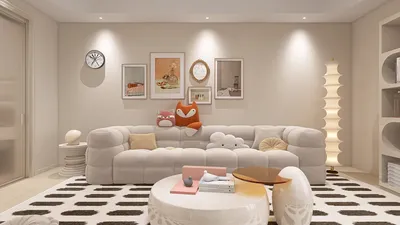


Yellow has been my go-to color for brightening dark corners, injecting energy into social areas, and adding warmth to otherwise cool, minimalist designs. When applied thoughtfully, it serves as an immediate mood enhancer that also conveys elegance. The secret lies in adjusting the tone, proportion, and natural light to ensure the space radiates warmth rather than overwhelm.
Create the Right Atmosphere with Research-Driven Color Selections
Yellow evokes feelings of optimism and cognitive stimulation, with its effects being quantifiable. According to Verywell Mind’s insights into color psychology, warmer hues like yellow can enhance energy levels and positivity, especially when paired with neutral tones. Research from Gensler has shown that environments designed for visual comfort and mental well-being are linked to improved performance; using warm color highlights effectively, alongside proper lighting, can make individuals feel more involved. I strategize my use of yellow based on task requirements and the availability of natural light to ensure it contributes positively to comfort.
Light quality is equally vital. The Illuminating Engineering Society (IES) recommends approximately 300–500 lux for ordinary living spaces and up to 500–1000 lux for focused tasks; inadequate lighting in a yellow scheme can dull its vibrancy, while excessive lighting may cause glare. Matching the color temperature of lamps to the yellow tones helps avoid discordance: warm, muted yellows favor 2700–3000K, whereas bright lemon and marigold can manage 3000–3500K while retaining their richness.
Selecting the Perfect Yellow: Tone, Finish, and Harmony
I classify yellow into three distinct groups, each reflecting unique design purposes:
The finish plays a crucial role. Matte walls diminish reflectance and lower glare levels; eggshell finishes offer slight sheen for durability; high-gloss finishes should ideally be reserved for smaller highlights due to their intensifying effects that can become harsh under strong lighting conditions. I often balance bold yellows with cooler counterparts—such as charcoal, slate blue, or forest green—to achieve visual equilibrium and consistency.
Adjusting the Color Scale: Accents vs. Focal Points
Determine whether yellow will be the main feature or a complementary element. As a primary color, it may encompass a feature wall, built-in cabinets, or a substantial rug. As an accent, it can be utilized in pillows, artworks, lampshades, or chair frames. A common guideline for many homes is to limit yellow to about 10–20% of the overall color scheme, allowing 60–70% to be neutrals with the remainder serving as secondary accents. This strategy prevents color fatigue while enabling flexibility for seasonal adaptations.
Lighting Strategies for Yellow Spaces
Layered lighting suits yellow beautifully. I typically integrate three levels:
Mitigate glare through the use of diffusers, linen shades, and matte paint finishes opposite windows. If a yellow wall faces the afternoon sun, I’ll add a sheer layer to soften direct light and maintain the integrity of the color. In home offices aimed at promoting wellness, the WELL v2 framework encourages lighting that enhances visual acuity and supports circadian health; I adapt this by using dimmable fixtures alongside warm evening settings.
Materials, Texture, and Sustainability Considerations
Yellow flourishes when displayed across intriguing surfaces. Consider camel yellow boucle throws, ribbed ceramic lamps, butter-toned limewash walls, or mustard velvet frames with matte black finishes. Natural fibers—like wool, linen, and cotton—soften the intensity and enhance sound absorption in echo-prone environments. For cabinetry or wall panels, I prioritize low-VOC paints and sustainably harvested veneers; material transparency is becoming increasingly essential in design specifications.
Furniture Arrangement: Leveraging Yellow Effectively
In flexible spaces, yellow can delineate areas. A golden rug can anchor a seating arrangement, while lemon-colored stools indicate the social aspect of the kitchen. I strategically position striking yellow items in areas where visual emphasis is advantageous—entrances, dining spaces, or creative workstations—while keeping highly trafficked relaxation areas more subdued.
When organizing a room, I evaluate sightlines to ensure yellow directs attention to focal points without competing with windows or TVs. I often use Homestyler to experiment with arrangement options quickly, balancing traffic flow, natural light, and focal significance.
Palette Pairing: Neutrals, Woods, and Metals
Yellow doesn’t often stand alone. My favored combinations include:
Introduce a connecting texture—woven cane, travertine, or boucle—to harmoniously blend bright and neutral elements. The choice of metals influences the overall mood: brass adds warmth; chrome provides a sharp finish; black metal offers grounding effects.
Wall Treatments and Artwork
Feature walls thrive on simplicity. I favor focusing on a single vibrant surface while mirroring the tone in two or three smaller accents throughout the space to establish a rhythm. For those seeking rental-friendly options, removable wallpapers featuring subtle patterns (like pinstripes or small geometric shapes) can introduce color without overwhelming intensity. Art can be an effective way to play with vividness; abstract prints with 30–40% yellow content strike a lively yet balanced note.
Calming Spaces: Bedrooms
In bedrooms, yellow should evoke a sense of tranquility. Cream, straw, or soft honey in textiles and lampshades contribute to a peaceful atmosphere. I maintain warm lighting in the evening (around 2700K) and steer clear of glossy yellows near the bed, which can reflect morning light too harshly. Additionally, incorporating fabrics with acoustic properties, like upholstered headboards and heavy curtains, helps ensure the space's brightness does not contribute to echo.
Social Spaces: Kitchens and Dining Areas
In kitchen settings, yellow harmonizes beautifully with matte black fixtures and light oak tones. I typically use lemon shades for bar stools or pendants, while allowing cabinetry to remain neutral to avoid visual fatigue during food preparation. Dining areas can accommodate deeper ochre wall tones, complemented by dimmable pendant lighting at warmer temperatures to enhance skin tones and food presentation.
Compact Living and Rental Solutions
In small spaces, opt for low-chroma yellows and enhance light reflection with soft finishes. Position mirrors opposite yellow artwork to amplify warmth without large-scale painting. For renters, textiles play a significant role: throws, bedcovers, lampshades, and removable decals contribute color while ensuring deposits remain intact.
Care and Durability
Yellow tones age differently based on exposure levels. Walls exposed to bright sunlight might change slightly over time; choosing UV-resistant paints and rotating artworks or textiles seasonally can help manage wear. Performance fabrics in mustard or ochre shades conceal minor stains more effectively than brighter yellows. When maintaining metals, clean with care—brass aging can enhance yellow tones, while chrome should maintain a crisp appearance.
Expert Insights
For comprehensive insights into lighting and wellness, I refer to IES illuminance recommendations and the WELL v2 guidelines on visual comfort and circadian health. Additionally, Verywell Mind’s exploration of color psychology provides a valuable perspective in conjunction with project observations.
Common Questions
Muted or buttery golden tones are effective, warming a space without causing excessive glare. Pair these shades with stone gray or oak to maintain a serene palette.
Aim for yellow to occupy approximately 10–20% of your visible palette, with neutrals taking up 60–70% and the remainder as secondary accents to sustain visual balance.
For soft, creamy yellows, choose lighting around 2700–3000K and for brighter lemon tones, 3000–3500K is ideal. In living spaces, strive for around 300–500 lux of ambient light as per IES guidelines.
Yes—select pale straw or honey tones for textiles, use matte finishes, and keep evening lighting at 2700K. Avoid glossy yellows near the bed to prevent harsh reflections.
Charcoal, slate blue, forest green, oak, walnut, brass, and black metal are excellent companions for yellow, grounding it while enhancing depth.
Utilize pillows, throws, lampshades, art pieces, and removable wallpapers or decals. These not only introduce warmth but also remain friendly for security deposits.
Textures like boucle, linen, velvet, cane, and travertine enhance yellow's appeal by introducing tactile richness and diffusing brightness.
Define social spaces using yellow rugs or stools as anchors. Utilize an interior layout planner, such as Homestyler, to evaluate sightlines and balance attention and movement within the area.
It might, particularly if combined with high-gloss finishes and direct lighting. Use matte or eggshell surfaces, along with diffusers and layered lighting, to mitigate reflectivity.
In creative environments, yellow can work effectively as an accent. Maintain task light around 500–750 lux and keep color temperature close to 3000K for optimal focus.
Choose performance fabrics in mustard or ochre, as they better disguise minor stains compared to brighter lemon tones. Regularly vacuum and promptly spot clean to maintain appearance.
Brass lends warmth to designs; chrome sharpens modern aesthetics; while black metal helps to ground vibrant accents and frames.


Modern Minimalist Glass Top Rattan Shelf Round Coffee Table 3D Model


Modern Yellow Fabric L Shaped Sectional Sofa 3D Model
Looking to transform your home? Homestyler makes it easy! With its user-friendly online design tool, stunning 3D renderings, and inspiring DIY video tutorials, you can effortlessly create and visualize your dream space. Start designing today and watch your ideas come to life!
Concevez maintenant gratuitement
































