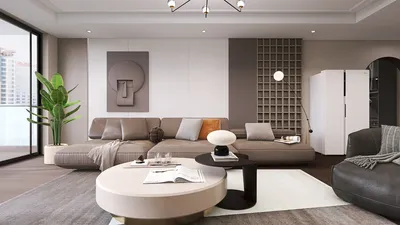


Once, a client was adamant about painting their compact studio a striking, bold pink on every wall — I nearly suggested they wear sunglasses indoors. That experience highlighted an important lesson: the impact of pink wall paint can fluctuate from dramatic to serene, depending on its shade, finish, and positioning. To safely explore this vibrant choice, consider creating 3D mockups to visualize how the pink interacts with light and furniture prior to making it a reality with a paint roller.
1. Blush Accent Wall for Depth
I frequently advise opting for a delicate blush as an accent rather than covering the entire room. This approach adds depth without overwhelming smaller spaces. The benefit is that blush beautifully complements warm wood tones and brass finishes, though a potential drawback is that the accent may appear uneven in poor lighting. To mitigate this, always test patches in proximity to windows and lamps.
2. Dusty Rose with Contrasting Trim
Dusty rose is my preferred choice for clients seeking vintage allure without the overly sweet baby-pink vibe. I tend to incorporate sharp white or charcoal trim, anchoring the aesthetic and transforming a potentially saccharine pink into sophisticated elegance. The only downside is that dusty tones can dim natural light, so I compensate by adding mirrors or glossy surfaces to keep the space vibrant.
3. Pink in the Kitchen: Playful & Practical
Incorporating pink into the kitchen can yield surprisingly modern results — think muted salmon-colored cabinets or a blush backsplash behind a contemporary stove. This choice brightly enhances shorter wall sections, making small kitchens feel carefully curated. Do keep in mind that lower tones can attract grease stains. If you're drafting layouts for pink cabinetry, run a small kitchen design test first to avoid costly repainting later on.
4. Ombre or Two-Tone for Visual Height
Employing a darker pink at the bottom that gradually fades into a lighter shade above tricks the eye into perceiving higher ceilings — an effective strategy for cramped apartments. I once executed a gradient in a narrow corridor that captivated guests positively; however, this technique demands precision and time, so allocate extra resources for taping and blending.
5. Soft Pink Bedrooms: Cozy but Contemporary
Utilizing a soft, warm pink in the bedroom conveys coziness without a childish undertone when paired with textured linens and matte finishes. It flatters different skin tones and photographs beautifully, but if you're sensitive to colors while sleeping, it's best to select more muted undertones. As you design a serene sleeping area, envision where your furniture will be positioned to ensure the pink feels deliberate — a preview of the cozy layout can aid in this final decision.
FAQ
Q1: Is pink wall paint suitable for small rooms?
A: Definitely — when employing softer, muted tones paired with reflective accents, pink can make small spaces feel expansive. However, darker or saturated pinks must be carefully placed to prevent the area from feeling cramped.
Q2: Which finish is ideal for pink walls?
A: Eggshell or satin finishes are typically best for walls as they conceal imperfections while still reflecting some light to keep the pink tones vibrant. High-gloss finishes work well for trims and accents, but they may highlight flaws on larger wall surfaces.
Q3: How can I avoid pink walls looking too juvenile?
A: Achieve balance by incorporating neutral or masculine elements such as charcoal, deep blue, leather, or wood. Metallics like brass can also elevate the palette's sophistication. Textures — linen, boucle, or nubby wool — further enhance the elegant feel.
Q4: Can pink be effectively utilized in kitchens and bathrooms?
A: Absolutely — when using semi-gloss or washable finishes in kitchens and bathrooms for durability, remember that lighter pinks may show stains more readily, so design surfaces where spills might occur accordingly.
Q5: How do I select the right pink undertone?
A: Assess samples in various lighting conditions: natural daylight, evening lamp light, and overhead illumination. Undertones can be cool (blue), warm (yellow), or neutral — pick one that complements your existing materials well.
Q6: Are there eco-friendly options for pink paint?
A: Yes — numerous brands provide low-VOC or zero-VOC pink paints that enhance indoor air quality. When considering sustainability, check for certifications like GreenGuard or EU Ecolabel.
Q7: How can I coordinate fabrics and decor with pink walls?
A: Create a mood board by selecting three main shades from the paint — a neutral, a darker contrast, and an accent metallic or wood tone. This approach ensures room cohesion and assists with shopping choices.
Q8: Where can I find reliable advice on paint finishes?
A: For technical insights on finishes and care, manufacturer resources are often trustworthy; for instance, Sherwin-Williams offers detailed recommendations and maintenance guidance (Sherwin-Williams, https://www.sherwin-williams.com).
Homestyler is your go-to online platform for home design! With its user-friendly design tool, impressive 3D rendering features, and a wealth of DIY video tutorials, you can effortlessly create stunning interior spaces and explore endless design possibilities. Transform your home with ease!
Design Now for FREE
































