


A brass bed instantly infuses a room with character, exuding warmth, heritage, and a gentle shimmer that anchors the bedroom's aesthetic. I regard it as a sculptural focal point, creating a tranquil and tactile ambiance in its surroundings. Achieving balance is crucial; a combination of natural materials, appropriately scaled lighting, and colors that complement the brass without overwhelming it is essential.
Quality light is fundamental to restful sleep. The WELL v2 guidelines suggest maintaining bedroom lighting below 50 lux at night to safeguard circadian rhythms and emphasizing daylight cues that promote a healthy sleep-wake cycle (WELL v2—Light). For reading tasks, the Illuminating Engineering Society typically targets 300–500 lux for bedside lights, ensuring controlled glare and a warm color temperature between 2700–3000K (IES lighting guidance). I implement dimmable bedside lamps paired with soft overhead lighting and blackout curtains so the brass radiates warmth without excess brightness at night.
Color psychology enhances the beauty of brass. Warm metallics gain richness when paired with subdued blues and cool greens, colors that promote calmness and a lowered heart rate (Verywell Mind—color psychology). I prefer matte finishes on walls (eggshell-max) to minimize reflections on brass, complemented by layered neutrals including linen, wool, and cotton to soften visual heaviness. A muted palette allows the patina and shapes to shine, avoiding a chaotic atmosphere that can arise from clashing high-chroma hues.
Establish the Focal Point
The wall behind the headboard should feature a simple, subtly textured design. I avoid heavy millwork behind a brass bed; instead, using understated limewash or grasscloth adds depth without overwhelming the visual space. If the room's arrangement requires adjustments—such as clearances, bedside symmetry, or bench positioning—employ a room layout tool like Homestyler to visualize traffic flow and sightlines:
room layout tool
Ensure at least 24–30 inches on either side for nightstands and a minimum of 36 inches for main walkways. Center the bed in relation to a window or a feature wall, rather than solely aligning it with the room's geometry.
Layering Light Around Brass
I incorporate three layers of lighting: ambient, task, and accent. Ambient lighting should be soft and indirect—consider fabric drum pendants or cove lighting to reduce hard reflections on brass. Task lighting must remain warm with a focused approach, using shades that minimize glare; bedside fixtures should direct light to avoid bright spots on the headboard. Accent lighting, such as picture lights or low-output LED strips under shelves, provides depth. Consistent color temperature (2700–3000K) ensures the metal looks cohesive rather than patchy.
Texture, Tactility, and Comfort
Brass truly shines when the bed exudes comfort. Combine breathable cotton percale sheets with a mid-weight wool blanket for versatility across seasons. A quilt or matelassé coverlet adds texture alongside a linen duvet for natural elegance. I use a mix of two to three pillow sizes—standard, euro, and lumbar—capping the ensemble with a tailored bolster that mirrors the bed’s linear aesthetic. Utilizing tactile contrasts like nubby bouclé, washed linen, and smooth sateen maintains visual movement without overwhelming patterns.
Color Palettes That Enhance Brass
Here are three dependable color schemes:
Ensure undertones are consistent. Since brass is warm (yellow/gold), it pairs best with neutrally cool paints to avoid an overly warm atmosphere.
Headboard Wall and Artwork
Scale is essential. A high-headboard brass bed looks best with large-format artwork or symmetrically placed vertical pieces to draw the eye upward. Maintain 6–8 inches between the top of the headboard and the bottom of the art. If using mirrors, select antiqued glass to soften reflections. Use frames in blackened steel or walnut to create contrast, allowing the brass to remain the centerpiece.
Nightstands and Hardware Unity
Matching is not required, but coordination is key. Nightstands made from walnut, ebonized oak, or painted finishes with clean lines contribute to a contemporary look. Bring in aged brass or blackened bronze hardware; subtle tone variations prevent a disjointed appearance. Ensure pulls and lamp finishes share a similar color temperature without being identical—think of them as cousins rather than twins.
Rugs and Underfoot Comfort
For queen or king sizes, rugs should extend 18–24 inches beyond the bed on three sides, or utilize twin runners beside a full bed in smaller spaces. Natural fibers like wool or wool blends provide acoustic dampening and temperature control. If your brass bed features a delicate footboard, opt for a low-pile rug to maintain clean sightlines without visual bulk.
Acoustic and Thermal Comfort
Bedrooms feel more serene when ambient noise is reduced. Layer curtains (sheer plus lined drapes) to absorb high-frequency sound and minimize early-morning light. Adding upholstered seating or a fabric bench at the foot of the bed adds mass for sound control. For thermal comfort, use breathable materials and consider cellular shades for improved insulation without obstructing daylight.
Sustainable Choices
Brass is not only durable but also often repairable—an eco-friendly attribute. Opt for solid brass rather than thinly plated alternatives for long-lasting use. Choose FSC-certified wood for nightstands and low-VOC paints to support better indoor air quality. Natural fiber textiles are both enduring and easier to clean without harsh chemicals.
Pattern and Styling Restraint
Allow the metal to take center stage. Limit patterns in the room to two: a small-scale pattern (pinstripe, microcheck) and a medium-scale one (ikat, block print). Ground patterns with solid colors to prevent visual clutter around the bed frame. Keep accessories functional—think carafes, clocks, and a singular sculptural element on each nightstand—so that the brass bed remains the focal point.
Compact Spaces: Visual Lightness
In smaller rooms, favor open-frame brass beds rather than heavy panel designs. Consider floating nightstands (wall-mounted) to enhance floor visibility. Opt for a slim bench or none at all; a neatly folded throw at the bed's foot can provide a tidy finish without adding bulk.
Care and Patina
Embrace the natural patina; it enriches the appearance. Dust frequently with a microfiber cloth and spot clean with a mild soap solution—steer clear of ammonia or abrasive creams. If lacquered, avoid solvents. I suggest gentle, occasional polishing to retain a softly highlighted finish rather than an ultra-reflective one.
In rental apartments featuring mixed trim colors, I harmonize the room using a dominant metal—such as a brass bed—and a contrasting metal like a blackened steel lamp or frame, while keeping hardware neutral throughout. In brightly lit homes, I soften the shine with matte paint and a linen shade on the overhead light to diffuse reflections onto the brass.
Frequently Asked Questions
Q1: What lighting temperature best complements a brass bed?
A: A warm white light around 2700–3000K enhances the richness of brass without casting yellow tones. Dimmable bedside lamps paired with soft overhead lighting help control glare.
Q2: How bright should bedside reading lights be?
A: Target approximately 300–500 lux at the reading surface, with shaded fixtures to prevent bright spots on the brass frame—this aligns with standard IES task lighting recommendations.
Q3: Which wall colors complement brass without feeling heavy?
A: Desaturated blues and cool greens balance the warmth of brass; soft gray or greige works as a neutral foundation. Matte finishes help manage reflections.
Q4: Can I mix metals with a brass bed?
A: Yes—mixing is encouraged. Utilize blackened bronze or matte black elements. Ensure the undertones are consistent, and vary the sheen for added depth.
Q5: What rug size is appropriate for under a queen or king brass bed?
A: Typically, an 8x10 for a queen and a 9x12 for a king, with at least 18–24 inches of rug extending beyond the sides and foot for comfortable access.
Q6: How can I prevent the room from appearing too warm?
A: Introduce cooler hues (sage, slate, indigo), matte finishes, and natural textures. Limit warm accent lighting to task areas only.
Q7: Are there ergonomic clearances I should follow around the bed?
A: Maintain 36 inches for main traffic flow and at least 24–30 inches beside nightstands. Ensure easy access to switches and lamps from a seated position.
Q8: What textiles pair well with brass?
A: Fabrics like linen, cotton percale, and wool layers offer breathable comfort and tactile contrast to the metal. Incorporate a tailored bolster to reflect the bed’s streamlined form.
Q9: How do I style nightstands without clutter?
A: One functional stack (like a book and a clock) along with a single sculptural piece (small vessel or art object). Coordinate finishes without replicating the brass exactly.
Q10: Will mirrors amplify the brass too much?
A: Select antiqued or slightly tinted mirrors to soften reflections. Keep mirrors placed at angles away from strong light sources to minimize glare on the brass frame.
Q11: What’s the best strategy in a small bedroom?
A: Opt for an open-frame brass bed, floating nightstands, and a low-pile rug. Maintain minimal patterns and light wall colors to ensure visual spaciousness.
Q12: How should I care for an unlacquered brass bed?
A: Dust regularly and spot clean with a mild soap; polish lightly to maintain soft highlights. Embrace and appreciate the natural patina that develops over time.


Minimalist Corduroy Upholstered King Size Platform Bed 3D Model
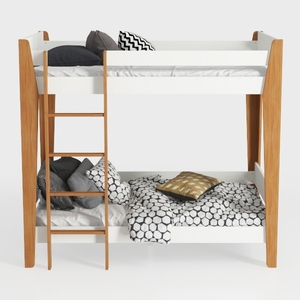
Storkcraft Next Santos Twin-Over-Twin 5-in-1 Conve
Homestyler is an exceptional online home design platform perfect for anyone looking to create their dream space. With its user-friendly design tool, stunning 3D renderings, diverse design projects, and helpful DIY video tutorials, you'll be inspired to bring your ideas to life effortlessly.
지금 무료로 디자인하세요
































