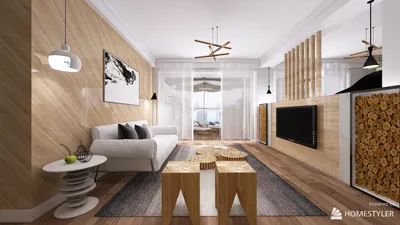


I once had a client who was determined to fit a massive 45 x 107 table into an endearing, yet compact townhouse. They claimed it was necessary for family gatherings, though it felt more like an oversized bench to me. After some initial stress and extensive planning, we transformed that 'behemoth' into a cherished centerpiece of the house. If you're gazing at a 45 x 107 dining table and contemplating how to ensure it seems deliberate rather than happenstance, you're exactly where you need to be — I even created a 3D dining layout using Homestyler to help persuade the reluctant homeowner.
1. Adopt a gallery-inspired layout
Long tables thrive in linear spaces. I frequently conceptualize a narrow dining area like an art exhibition: select a narrow runner, coordinated benches or delicate chairs, and establish a central passageway. The benefit of this arrangement is smooth foot traffic along both sides; however, it's crucial to ensure at least 36"–42" (91–107 cm) of clearance to prevent crowded conditions.
save pin
2. Incorporate built-in banquettes to optimize space
In a small condominium project, I replaced standalone chairs with a fixed banquette along one side. This transformation turned neglected wall space into valuable storage and provided a bit more room at the table. Of course, the downside is that banquettes are semi-permanent and require thoughtful fabric selections, but they can instantly make a 107" table feel snug instead of overwhelming.
save pin
3. Adjust the scale with layered lighting and rugs
Scale can be tricky: a lone pendant light can render the table feel solid and dominating, while using a trio of pendants or an adjustable lighting setup helps to divide the space into functional zones. A narrow runner rug (ideally no wider than the table minus 12" on each side) anchors the setup and prevents the area from resembling a runway. Proper lighting fosters intimacy during family meals at various sections of the table.
save pin
4. Design multifunctional ends for flexible seating
I suggest creating one or both ends as versatile spaces — using a console that acts as a buffet or a bench that provides storage. This approach enables you to accommodate more guests during large dinners while keeping everyday living spaces tidy. The catch is that multifunctional furniture requires precise proportions; mockups can be incredibly useful to avoid unexpected issues.
save pin
5. Define zones for varied activities
A 45 x 107 table can serve as a dining area, a homework hub, and even a crafting station. Clearly delineate spaces with subtle distinctions: alternating chair styles, a striking centerpiece in the dining area, and task lighting at one end. This strategy makes the long table appear intentional and versatile, though it requires disciplined styling to prevent a chaotic appearance.
save pin
Tips 1:
Budget-friendly tip: If the table seems overpowering for the room, consider painting the shorter walls in a darker color to visually reduce the space and add warmth. I've successfully used this technique on two occasions, saving a client from a complete renovation.
save pin
FAQ
Q1: Is a 45 x 107 table suitable for a typical dining room?
A1: It varies based on room dimensions. Ideally, leave 36"–48" (91–122 cm) of space around the table for movement. Measure your area and deduct clearance to determine if 45 x 107 is a comfortable fit.
Q2: How many individuals can be seated at a 45 x 107 table?
A2: Typically, it can seat approximately 10–12 individuals: about three or four on each long side and one on each end, depending on the width of the chairs and the need for elbow room.
Q3: Which chair style complements a long, narrow table?
A3: Slim-profile chairs or benches are ideal—avoid bulky armchairs that encroach on aisle space. In various projects, I incorporate both benches and chairs for added flexibility and aesthetic rhythm.
Q4: What clearance is recommended around a dining table?
A4: The National Kitchen & Bath Association (NKBA) recommends a clearance of 36–48 inches (91–122 cm) between the table's edge and surrounding walls or furniture for comfortable movement.
Q5: Can I place rugs under such a long table?
A5: Absolutely — opt for a rug that extends at least 24 inches (61 cm) beyond the chairs when pulled out. In narrow spaces, a runner rug can work if it's proportionate to the table's width.
Q6: How can I make a long table feel less formal?
A6: Visually break the length with multiple lighting fixtures, varying chair styles, or grouped centerpieces. Casual fabrics and mismatched chairs can also mitigate formality.
Q7: What are some quick layout tools for planning such spaces?
A7: I frequently create simple mockups to assess clearance and sightlines; when illustrating practical layouts to clients, I refer them to tools like Homestyler, which clearly depict effective kitchen and dining flow.
Q8: Any tips for those on a tight budget?
A8: Focus on ensuring good circulation and include one standout element — a striking light fixture, a runner rug, or a functional storage bench. I once helped a client save a significant amount by reupholstering existing pieces and rearranging instead of buying a whole new set.
save pin
Homestyler is your go-to online home design platform, perfect for turning your ideas into reality. With its user-friendly design tool, stunning 3D renderings, and a wealth of DIY video tutorials, you can easily create and visualize your dream space—no expertise needed!
Concevez maintenant gratuitement
































