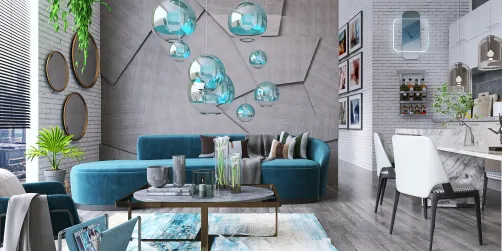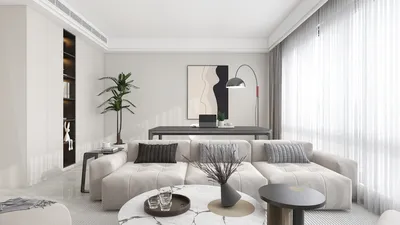



I once styled a client's buffet using seven identical candlesticks to fulfill their desire for symmetry — it ended up resembling a lineup of dinner soldiers. This mishap highlighted that a buffet should be treated as a stage rather than a museum, where even small changes can create significant impact. To facilitate layout previews for my clients, I frequently utilize 3D rendering tools like Homestyler, helping them move from uncertainty to confident styling decisions.
1. Focus on scale and silhouette
My first step is always measuring. An overly tall vase can dominate the room, while a small frame might get overshadowed. I suggest incorporating one standout piece, such as a lamp or a large mirror, complemented by lower, horizontal items. This approach not only brings immediate harmony but also challenges your impulse to keep adding until you’ve lived with the established silhouette for a week.
2. Mix textures and heights
Consider the buffet like a compact mantel: stack some books, place a tray, introduce a small plant, and include a ceramic bowl. Layering different elements adds depth while allowing for versatile combinations if one item changes. This method can be budget-friendly — combining thrifted books with a single statement piece can be effective — but remember to keep an eye on dusting and cleaning.
save pin
3. Use lighting and artwork as focal points
A pair of wall sconces or a single picture light can elevate a dull buffet into a striking centerpiece. Positioning artwork slightly off-center above the buffet can infuse character without necessitating perfection. By coordinating with nearby areas, like the kitchen, the overall space can feel more cohesive; often, I refer to kitchen layout inspiration for guidance on maintaining visual continuity.
save pin
4. Balance functionality with aesthetics
Leverage the buffet's cabinets to conceal clutter while utilizing the top surface for essential daily items: a tray for phones, a decorative bowl for keys, or beautiful jars for napkins. This approach guarantees practical use daily; the trade-off may be occasional reorganizing — just commit to a quick ten-minute weekly reset and you’re set.
save pin
5. Embrace seasonal updates and personal collections
Periodic changes (like adding greenery in the spring and candles in winter) keep your buffet looking fresh. I recommend maintaining a small selection of items for rotation stored conveniently away, so updates are quick and easy. For those willing to be adventurous, mixing vintage finds with contemporary accessories creates a dynamic and often more captivating display. For quick transformations, I’ve utilized examples from AI design platforms, such as Homestyler, to preview different color schemes and object pairings before making final decisions.
save pin
FAQ
Q1: What is the ideal size for a buffet in my dining area?
For optimal balance, a buffet should typically not exceed the width of the dining table and should stand between 30 to 36 inches in height. Always ensure there is enough space for drawers and doors to open fully.
Q2: How high should art be hung above a buffet?
Art should be displayed approximately 6 to 12 inches above the buffet surface so that the pieces complement each other cohesively. Keep proportions in consideration: larger artworks pair well with fewer tabletop items, while smaller ones benefit from group arrangements.
Q3: What type of lighting works best for a buffet?
Layered lighting options — such as a table lamp combined with wall sconces or an overhead, dimmable fixture — provide both functional and ambient light. The ability to dim lighting is especially beneficial for creating a comfortable dining atmosphere.
Q4: How can I style a buffet with a limited budget?
Start by utilizing items you already own: stack books, repurpose a serving tray, and include plants or framed photographs. Thrift stores can also offer unique focal points at a fraction of retail prices.
Q5: How do I avoid clutter on a buffet surface?
Implement the three-point rule: arrange objects in groups of three at varying heights to create visual rhythm. Allow negative space to ensure that each piece has room to stand out.
Q6: Are there established height standards for buffets?
Indeed — standard heights for countertops and buffets generally range from 30 to 36 inches to optimize ergonomics. Following guidelines from the National Kitchen & Bath Association (NKBA) on countertop heights can help maintain comfortable working and serving areas (see https://www.nkba.org for additional details).
Q7: Should my buffet match my dining table?
They do not need to perfectly match. Contrasting styles can create visual interest: mixing different finishes can add depth, but ensure there is at least one common feature (like metal tone, wood warmth, or scale) to unify them.
Q8: When is it necessary to consult a professional designer?
If you're overhauling the entire dining area, require electrical work for lighting, or desire a customized styling plan, enlisting a professional can be beneficial for saving time and resources. A brief consultation can often yield a strategic plan you can implement in stages.
save pin
What began as an Autodesk innovation has evolved into a design platform used by more than 20+ million registered users (platform data, 2026) around the globe. Homestyler combines powerful rendering, an intuitive editor, and a vast furniture library to help you turn inspiration into photorealistic designs — whether you're redesigning a single room or planning an entire home.
Homestyler is your go-to online home design platform! With its user-friendly design tool, stunning 3D renderings, and a wealth of DIY video tutorials, you'll effortlessly transform your space. Explore endless design projects and unleash your creativity—perfect for both beginners and seasoned designers!
Design Now for FREE






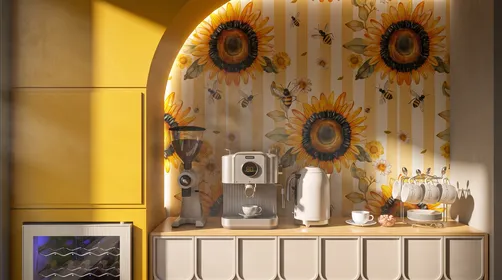

















![Design [1]](https://hs-designs.homestyler.com/production/design/images/87c3311f-b762-48e5-aa6c-2a61ff42aaa8/1731347951087/7837764.jpg?x-oss-process=image/resize,w_502,m_mfit/format,webp)