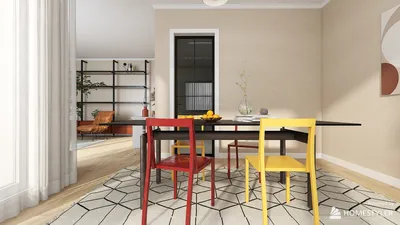


I once assured a client that I could transform an old textured wall into a flawlessly smooth surface by lunchtime — a mistake I won't make again. As I began sanding, I generated a dust cloud so thick it concealed the cat, and I almost ruined a plaster skim coat; that was a tough lesson learned. Following that chaos, I decided to practice techniques on some spare boards, and I even utilized a Homestyler kitchen planning case to visualize the space prior to beginning any demolition work.
1. Sanding for a Smoother Finish: When It's Worth the Effort
If the texture is mild (like a slight orange peel) and the paint finish is matte or flat, using 100–150 grit sandpaper can help diminish the peaks and achieve a smoother appearance. This method is cost-effective and quick to set up, but keep in mind that it creates a lot of dust and may not be very effective on heavier knockdown or popcorn textures.
save pin
2. Wet Sanding for Reduced Dust
Utilizing a wet sanding sponge significantly cuts down on dust and enables you to feel when the surface is uniform. This method is gentler on thin paint layers and is excellent for small patches, though it tends to be slower and may not be suitable if there's lead paint underneath or if the texture does not respond well to water.
save pin
3. Applying a Skim Coat with Joint Compound: My Preferred Solution for Problematic Walls
When dealing with moderate to heavy texture, I frequently suggest applying a thin skim coat of joint compound — one coat for light textures and two for heavier ones. While this method might cost a bit more and requires some drying time, the resulting smooth finish is paint-ready. To give clients a preview of how the room will look, I often employ a 3D rendering using Homestyler to showcase the anticipated effect before we proceed with any work.
save pin
4. Replacing or Overlaying with New Drywall
If the texture is especially stubborn or the underlying material is compromised, installing a new layer of 1/4" drywall or applying veneer plaster can almost guarantee a smooth finish. Although this is the costliest option and demands more labor, it proves to be a worthwhile investment for high-quality rooms due to its longevity and superior finish.
save pin
5. Embracing Texture: Highlighting and Repainting
Sometimes, I advise clients to embrace the existing texture and enhance it as a feature using modern paint finishes, clever lighting, or glazes. This approach is cost-effective and quick, and it mitigates the risk of uneven sanding; however, it comes at the cost of not achieving that ultra-smooth, contemporary appearance.
save pin
Practical Advice and Budget Considerations
Always start by testing a small area and ensure you wear a respirator when sanding painted walls, as it generates fine dust particles. For older properties, check for lead paint before commencing sanding; if lead is detected, you’ll need to hire a certified contractor. Small DIY tasks like patching and light sanding may cost under a hundred dollars, while full-room drywall or skim-coating projects can quickly escalate to several hundreds or even thousands.
If you're someone who prefers a visual representation and wants to design the layout before beginning any demo, using an AI interior design tool like Homestyler can help you explore various finishes and lighting in a 3D context. This proved beneficial for one of my clients who was torn between opting for skim coating or leaving the texture as is.
save pin
FAQ
Q: Can I sand a textured painted wall myself?
A: Yes, for light textures and smaller areas, provided you use the correct grit sandpaper and appropriate personal protective equipment. For heavy textures or larger areas, I typically recommend hiring professionals due to the importance of dust control and finish quality.
Q: What grit sandpaper should I start with on painted textures?
A: Begin with 100–150 grit to level the peaks, then progress to 180–220 for final smoothing. Always conduct a sample patch test first to prevent sanding all the way through the paint.
Q: Is it safe to wet sand painted walls?
A: Wet sanding minimizes airborne dust and is ideal for latex paints, but avoid it if you suspect the presence of lead paint or if the texture is reactive to water. For lead concerns, adhere to the EPA's renovation guidelines.
Q: How can I determine whether a skim coat is better than sanding?
A: If the texture is medium to heavy, skim coating is generally quicker and results in a more uniform finish. Although sanding may seem cheaper for minor textures, it often necessitates more touch-ups.
Q: Is testing for lead necessary before sanding?
A: Absolutely. Homes built before 1978 in the U.S. may have lead-based paint; the EPA advises testing and adhering to Renovation, Repair, and Painting (RRP) guidelines if lead is found.
Q: How long does it take for a skim coat to dry before sanding and painting?
A: Anticipate a drying period of 12–24 hours per skim coat, depending on the humidity and temperature; follow sanding and priming only after the coat has fully cured for optimal results.
Q: Will sanding eliminate all paint?
A: No, sanding only removes surface irregularities and might thin the paint layers but rarely removes all paint unless done very aggressively. This is why assessing the substrate and existing paint layers beforehand is crucial.
Q: When should I consider calling a professional?
A: Engage a professional if the texture is extensive, if lead is suspected, or if you desire a flawless finish for a high-end space. Experts handle containment, apply correct skim techniques, and carry out finish sanding to achieve a smooth outcome.
save pin
Homestyler is your go-to online home design platform! With its user-friendly design tool, stunning 3D renderings, a wealth of design projects, and engaging DIY video tutorials, you can easily transform your ideas into reality. Start creating your dream space today!
Design Now for FREE
































