

I once had a client who insisted that their living room be painted with a "mood-shifting teal" color, only to later cancel the project when their cat appeared distressed. This experience taught me that color choices can significantly alter the overall direction (and cost) of a project. To prevent expensive changes mid-way through, I often suggest clients visualize their space beforehand using tools like Homestyler, which helps in solidifying their decisions.
1. Preparation and Surface Restoration
Preparation is often where a significant portion of the budget is spent: filling holes, sanding glossy surfaces, and addressing water stains can consume hours or even days of work. The upside is achieving a durable, professional finish, while the downside includes increased labor costs—it's wise to allocate 20-40% of the total budget for extensive preparation on older walls.
save pin
2. Quality and Type of Paint
Opting for premium paints results in better coverage and often requires fewer coats, ultimately saving on labor costs despite a higher initial price. I generally recommend mid to high-grade paints for areas with heavy foot traffic; the trade-off is the higher upfront expense against long-lasting durability and the need for fewer touch-ups.
save pin
3. Color Selections and Feature Walls
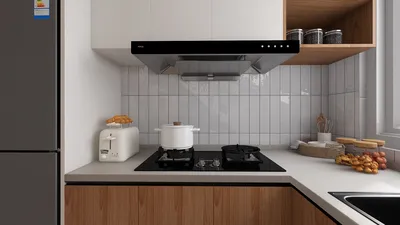
Choosing bold or dark colors may necessitate a primer or multiple coats, thus increasing expenses. In kitchens and on focal walls, it's essential to consider how the paint complements the cabinetry and overall layout. Homeowners who plan their kitchen designs carefully, perhaps using visualization tools like Homestyler, often save themselves from unexpected costs and the need for repaints in my projects.
save pin
4. Room Dimensions, Height, and Accessibility
Rooms with high ceilings, detailed trim, or hard-to-reach corners can inflate labor costs and equipment rental fees (such as ladders or scaffolding). Even small apartments can incur high costs if they feature tall moldings; I always take measurements and include a contingency for challenging geometries.
save pin
5. DIY vs Professional Services
Choosing to do it yourself might save on labor costs, but it could turn out more expensive if you end up needing to repaint due to uneven application or drips—I've experienced this myself. Hiring professionals incurs higher upfront costs but usually leads to quicker project completion, cleaner lines, and warranties for peace of mind. Additionally, you might explore AI design tools like Homestyler to visualize results before making a commitment.
save pin
FAQ
Q1: What is the typical cost per room for interior painting?
A1: The costs can vary significantly, but generally, expect anywhere from $300 to $900 for smaller rooms and around $800 to $2,500 for larger spaces or intricate details, depending on the location, paint quality, and preparation required.
Q2: What is the cost of paint per gallon, and how many gallons will I require?
A2: Mid-tier paint typically costs between $30 and $60 per gallon, while premium brands can reach $60 to $120. On average, a typical room often needs 2 to 3 gallons per coat, but keep in mind that primers and multiple coats will increase this amount.
Q3: Does primer significantly affect the budget?
A3: Yes, adding primer can increase material costs by about 10-25%, though it often reduces overall labor expenses by enhancing coverage, especially on dark or patched surfaces.
Q4: Is it more economical to paint everything in one color?
A4: Utilizing a single color tends to lower costs since it minimizes the time required for masking and cutting in. If you opt for accent walls or varied finishes, that can add to labor and complexity, leading to higher expenses.
Q5: How long does an interior paint job usually take?
A5: Typically, a straightforward repaint of a single room by professionals takes about 1 to 3 days. Larger or more complex spaces may need up to a week for completion, including drying times and multiple coats.
Q6: Are there safety or environmental concerns related to certain paints?
A6: Indeed—it's important to look for low-VOC or zero-VOC paints for healthier indoor air quality. For homes built prior to 1978, it’s crucial to adhere to U.S. EPA guidelines regarding lead paint: https://www.epa.gov/lead.
Q7: How can I economize without compromising quality?
A7: Select mid-range paints, carry out basic preparations yourself (like cleaning or light sanding), and limit accent features. Precise measurements and advance planning of color choices can help avoid costly changes during the project.
Q8: Should I obtain multiple estimates?
A8: Absolutely—gather 2 to 3 written quotes, check references, and evaluate not only prices but also the extent of preparations, materials, and timelines to prevent unexpected complications.
Discover your dream home with Homestyler! This user-friendly online platform offers a powerful design tool, stunning 3D renderings, and a wealth of design projects. Plus, you'll find inspiring DIY video tutorials to guide you every step of the way. Transform your space effortlessly!
지금 무료로 디자인하세요
































