

Keeping your lights on can indeed lead to wasted electricity, resulting in inflated utility bills. But just how much are you really losing? And what can you do to mitigate these costs? Let's explore the facts to help your finances.
Understanding Energy Use
Leaving lights on in unoccupied spaces is not just an electricity issue; it's part of a wider environmental concern. For instance, a standard incandescent bulb consumes around 60 watts. If left on for 10 hours, it totals a staggering 600 watts. What does this translate to financially? Depending on your local energy rates, it could exceed $6 monthly. Grasping your energy usage is vital for saving money and lessening your ecological impact.
Energy-Saving Alternatives
Opting for LED lighting can drastically reduce your energy consumption. Unlike incandescent bulbs that demand 60 watts, LEDs only require about 10 watts and boast a lifespan of up to 25,000 hours versus just 1,000 hours for traditional options. Imagine how much money—and energy—you'd conserve by making the switch! Why wait? Transitioning to energy-efficient lighting not only eases financial burdens but also nurtures an environmentally friendly home atmosphere.
Reviewing Your Lighting Habits
Do you often leave lights on without thinking? It might be the perfect time to evaluate your daily habits. Consider implementing timers or smart home technology to ensure that lights turn off automatically when you exit a room. Have you thought about incorporating motion sensors or smart home solutions? These options can help reduce electricity wastage, enhancing your home's energy efficiency while adding convenience to your routine.
Implementing Energy-Saving Techniques
Embracing energy-saving practices can yield considerable savings over time. Besides transitioning to energy-efficient lighting, consider simple strategies such as utilizing natural daylight, setting reminders to switch off lights, and performing routine audits of your household's energy use. Each step contributes towards sustainable living and lower electric bills. Collaborating with family members or housemates to promote energy awareness will magnify the effectiveness of your efforts.
FAQ
Q: How much electricity do you waste by leaving lights on? A: The amount varies by bulb type, but it can generally add up to several dollars each month, especially with incandescent lights. Minor adjustments can result in significant long-term savings.
Q: Is it necessary to turn off LED lights when leaving a room? A: Absolutely! While LEDs are energy-efficient, it's still wise to switch them off when not in use. This habit not only conserves energy but also extends the lifespan of your bulbs.
Conclusion
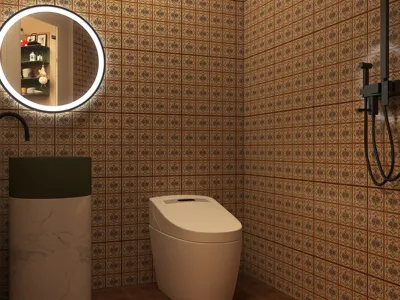
To sum up, being conscious of your energy consumption by avoiding unnecessary lighting can offer both financial and environmental advantages. Adopting simple habit changes and opting for energy-efficient lighting, like those featured in the Homestyler plan, can create a marked positive difference. Together, let's cultivate a community dedicated to energy awareness, paving the way for a sustainable and brighter future for everyone.


Homestyler is an exceptional online platform for home design enthusiasts. With its user-friendly design tool, stunning 3D renderings, diverse design projects, and helpful DIY video tutorials, you can effortlessly transform your home into your dream space. Start your design journey today!
지금 무료로 디자인하세요
































