

Direct Answer
Always verify the license of free 3D models before use to ensure they permit commercial use, modifications, and redistribution. Many models are released under Creative Commons or custom licenses, which might require attribution or restrict commercial applications. Overlooking these terms can lead to copyright infringements for designers and studios.
Quick Takeaways
Introduction
Free 3D models are widely accessible today and serve as valuable resources for designers, architects, and visualization specialists. However, a frequent error—even among seasoned professionals—is assuming that "free" automatically means safe to use without restrictions.
Licensing for free 3D assets is often complex. Some licenses authorize full commercial use, others request attribution, and some prohibit usage in client projects altogether. Misunderstanding these licenses can jeopardize interior design visualizations, architectural projects, or product renderings.
In numerous residential visualization projects I've contributed to, external assets such as furniture and props were utilized. When building scenes akin to photorealistic home renderings often created with tools like Homestyler, confirming license compliance is as crucial as selecting high-quality models.
This guide outlines how to assess licensing before incorporating free 3D models, identifies which licenses permit commercial use, and highlights risks often overlooked in typical tutorials.
save pin
Why Licensing Matters for Free 3D Models
Core Insight: A license dictates whether a free 3D model can be legally included in commercial projects, client presentations, or monetized media.
Many creators share models for educational or community purposes rather than commercial exploitation. Simply downloading a free chair or decorative 3D model doesn't automatically give the right to use it in paid commissions.
From a professional standpoint, risks escalate in three main scenarios:
In my studio's workflow, every external model is vetted before being added to our project library. This routine helps prevent legal complications when designs are later showcased in marketing materials, portfolios, or advertisements.
Creative Commons defines licensing terms that govern reuse, modification, and distribution of creative content. Ignoring these terms may result in takedown notices or legal conflicts.
Common Licenses Found on Free 3D Model Platforms
Key Insight: Most free 3D assets fall under Creative Commons licenses or platform-specific licenses with varying permissions.
Recognizing common license categories helps quickly determine whether a model can be used commercially.
For practical workflows—like interior layouts developed in digital room planners—licenses labeled CC0 or those explicitly allowing commercial use provide the safest options.
A challenge arises when aggregators re-upload models without preserving original license details, making source verification essential.
save pin
How to Confirm Commercial Use Rights
Primary Advice: The most reliable method to verify commercial permissions is to consult the original upload page and read the license statement directly.
Many designers mistakenly rely on ‘‘free’’ tags, which legally offer no guarantees.
Instead, follow these verification steps:
I highly recommend keeping detailed license records for any assets incorporated into client projects. Especially in collaborative environments like architectural visualization pipelines involving multiple models and renders, maintaining an asset log prevents future legal headaches.
Attribution Requirements and Managing Them
Important Note: Licenses that require attribution remain legal when proper credit is given and documented visibly within project files.
Many creators avoid such licenses, falsely assuming that credit must be shown within the final rendering. Usually, this isn’t necessary.
Acceptable attribution methods include:
For example, props used in visualizations generated with platforms like Homestyler or other AI-powered interior design renderers can have credits included in project documentation rather than in image outputs.
Creative Commons recommends using the TASL (Title, Author, Source, License) format for attribution:
This standardized format ensures consistent and legally clear crediting.
save pin
Risks of Using Free Models Without Verification
Critical Insight: The greatest legal risk arises from assets with uncertain origins or missing license information.
In professional visualization, issues commonly occur when models are sourced from forums, peer-sharing platforms, or reposted collections lacking original license details.
Such models frequently come with:
Beyond legal concerns, unverified assets can harm reputations, especially when portfolios feature copyrighted materials unknowingly.
To mitigate this, many studios maintain verified internal libraries of approved models.
Answer Box
The safest approach to using free 3D models involves confirming licenses, verifying commercial usage rights, and recording attribution obligations prior to project incorporation. Assets lacking clear license information should be avoided in professional contexts.
Pre-Use Checklist for Free 3D Models
Key Takeaway: Performing a simple verification checklist removes most legal uncertainties associated with free 3D assets.
Before adding a model to your design project, complete these checks:
From my experience, this process takes under two minutes per asset and greatly reduces legal risks for 3D artists and designers.
Final Summary
FAQ
Can free 3D models be used commercially?
Only when their licenses explicitly permit commercial use. Some licenses restrict models to personal or educational projects only.
What is the safest license for free 3D models?
CC0 or public domain licenses are safest, allowing unrestricted commercial use, modification, and redistribution without requirement for attribution.
What happens if you use a 3D model without checking its license?
You risk copyright infringement claims, takedown requests, and possible legal action if commercial use is prohibited by the creator.
Do Creative Commons 3D models always require attribution?
Some do—CC BY licenses mandate attribution, while CC0 licenses do not.
How do you provide attribution for 3D assets?
Include details such as the model's title, creator's name, source URL, and license type in the project's documentation or credits.
Where should you check a free 3D model's license?
Always inspect the license section on the original asset upload page to ensure proper rights.
Is modifying free 3D models legal?
Yes, if the license grants derivative rights. Some Creative Commons licenses restrict alterations.
Why is verifying licenses before downloading important for designers?
It ensures legal compliance and safeguards commercial projects from potential copyright disputes.
References
Creative Commons Organization
U.S. Copyright Office
Sketchfab Licensing Guidelines
CGTrader Licensing Documentation


Cartoon Rainbow Heart Shaped Kids Bench 3D Model
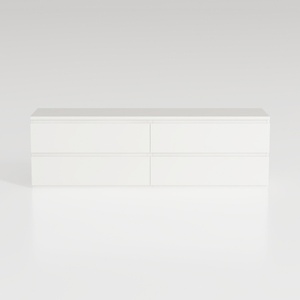
Minimalist White Solid Wood Dresser 4 Drawer Storage Cabinet 3D Model

Tribesigns 70.87" Tall Geometric Bookshelf, White
Homestyler offers an easy-to-use online design tool with amazing 3D renderings, inspiring design projects, and helpful video tutorials. It’s ideal for anyone looking to create and visualize beautiful home interiors effortlessly.
Design jetzt kostenlos
































