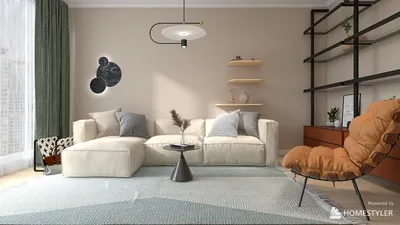


I once had a client enthusiastically share that their toddler had transformed a nursery wall with black marker drawings, asking if we could preserve it as an "abstract feature." I chuckled but discreetly erased the marks that very evening using a clever trick I'd developed while experimenting with various spaces in a free floor plan creator from Homestyler.
In compact areas, every detail counts. A small ink stain on a kitchen backsplash or a drawing on a wardrobe door might seem monumental, but typically, solutions are straightforward. Here, I will outline five reliable techniques I use to eliminate permanent marker from walls without damaging the paint — detailing their advantages, potential pitfalls, and the specific methods I implement during projects.
1. Isopropyl alcohol (rubbing alcohol)
This method is my preferred choice for most semi-gloss and satin finished paints. Start by dabbing a cotton ball with 70% isopropyl alcohol and testing it on a hidden area. Next, gently rub the mark in small circular motions. This solvent can dissolve the ink while being relatively gentle on cured paint.
Pros: effective, inexpensive, and quick. Consideration: fresh or matte finishes might be sensitive, so always conduct a test first and refrain from aggressive scrubbing to prevent dulling the surface.
save pin
2. Melamine sponge (Magic Eraser)
Melamine sponges function similarly to fine grade sandpaper by lifting pigments through mechanical action. To tackle permanent markers, I dampen the sponge and apply gentle pressure. This approach often fully erases stains on older, more durable paints.
Pros: highly effective and straightforward. Drawbacks: can slightly wear down delicate or flat surfaces, so it's important to use minimal pressure and test beforehand. I often utilize this technique for high-traffic trims and semi-gloss finishes.
save pin
3. Baking soda + toothpaste paste
Combine equal parts of baking soda and non-gel white toothpaste to create a paste; apply it gently using a soft cloth. The mild abrasiveness and alkaline properties assist in lifting marker stains without harsh chemicals. I applied this method in a child's playroom where several scribbles were present and managed to erase most marks without damaging the finish.
Pros: affordable and safe for numerous paint types. Drawback: requires a bit of patience and careful buffing, and may not be effective against deeper ink stains. When planning a quick renovation, I often use a 3D floor planner from Homestyler to visualize whether a simple touch-up or full repaint is the more viable long-term solution.
save pin
4. Hand sanitizer or hairspray (ethanol-based)
Ethanol-based hand sanitizer or traditional aerosol hairspray can effectively lift marker ink. Apply a small quantity to a cloth and apply it gently rather than soaking the wall. I once utilized hand sanitizer on a wall in a rental and successfully erased a large signature without disturbing the paint sheen.
Pros: readily available and easy to use. Caution: some hairsprays contain additives like oils or dyes that could leave a residue, so make sure to blot and follow up with a damp cloth to clean any leftover marks.
save pin
5. Dry-erase marker trick and touch-up paint
For particularly tough stains, outline the permanent marker with a dry-erase marker and wipe it off immediately; the solvent from the dry-erase ink can reactivate and lift the permanent ink. Should there be any lingering shadow, applying a small amount of matching touch-up paint will give you a seamless finish. For kitchen walls near counters, I usually keep a small sample pot from the original paint to ensure that touch-ups are quick and invisible, especially when using a kitchen layout planner to strategize future projects with Homestyler.
Pros: often eliminates tough marks; touch-up ensures the wall remains spotless. Cons: requires access to dry-erase markers and a matching paint sample if deeper stains persist.
save pin
FAQ
Q1: Can rubbing alcohol remove permanent marker without harming paint?
Yes, in most cases with cured semi-gloss and satin finishes if tested beforehand. Use 70% isopropyl, applying gently and avoiding soaking the area.
Q2: Is the Magic Eraser safe on all surfaces?
Not necessarily. Melamine sponges can wear down flat or particularly soft paints, so it’s crucial to test a discreet area and apply light pressure to prevent dulling.
Q3: Is nail polish remover (acetone) a viable option?
Acetone works effectively but can be aggressive — it risks stripping paint or its sheen. I avoid using acetone on painted surfaces unless I plan to repaint post-cleaning.
Q4: What is the safest approach for rental properties?
Mixing baking soda with toothpaste or using gentle rubbing alcohol are renter-friendly solutions. If uncertain, conduct a small patch test behind furniture or near baseboards first.
Q5: Does the dry-erase marker method always yield results?
It works on a variety of stains since dry-erase solvents can lift permanent ink. However, very old or deeply saturated stains may necessitate a touch-up layer of paint.
Q6: Are there any eco-friendly alternatives?
Using baking soda, mild soap, and isopropyl (sparingly) can be considered greener choices. Minimize the use of aerosols; often a damp microfiber cloth combined with a bit of patience works wonders.
Q7: When is it better to opt for repainting?
If the stain is extensive, has penetrated into the primer, or cleaning compromises the sheen, repainting is generally quicker and offers a more consistent finish. Keeping a small sample pot handy for touch-ups is advisable, especially if children or frequent markers are in the picture.
Q8: Where can I find guidance from manufacturers on cleaning?
Consult the advice provided by paint manufacturers for optimal practices. For instance, Sherwin-Williams offers cleaning tips for painted surfaces and recommends testing solvents in inconspicuous areas before widespread application (check: https://www.sherwin-williams.com/).
save pin
Looking to transform your home? Homestyler is your go-to online design platform! With its user-friendly design tool, stunning 3D renderings, and a wealth of inspiring design projects and DIY video tutorials, you can effortlessly create the perfect space tailored to your style.
Concevez maintenant gratuitement
































