

The future of living is evolving at a pace that outstrips Delhi's construction timelines, compelling me to develop designs that address challenges like heat, noise, and multi-generational dynamics that current builder layouts struggle with. According to data from the NAHB, buyers now favor functional layouts over sheer space, indicating that the five-room system should function like software—efficient and streamlined. This is the point where a 5 room builder floor plan in Delhi shifts from being a mere floor to embodying a comprehensive protocol, much like a spatial reasoning toolkit.
I've noted that my clients increasingly request features such as thermal zoning, designated privacy areas, and hybrid workspaces; the design must accommodate future lifestyles without compromising current comfort.
Hybrid Courtyard Spine
Design Logic: A central ventilated spine acts as a cooling conduit, connecting the living-dining area to a semi-open courtyard and two bedrooms, ensuring resilience against heat waves and accommodating multi-generational living.
Flow: The pathway is Entry → spine → living node → courtyard buffer → bedroom cluster → kitchen branch, where routines flow like data packets following predictable pathways.
Sightlines: A long axial view leads from the living area to the light well, while the lateral views to rooms are compartmentalized, providing privacy while also giving a sense of orientation—similar to UI breadcrumbs.
Storage: Utilizing perimeter wall storage as a cache; deep drawers adjacent to the kitchen, tall wardrobes in bedrooms, and bench storage in the courtyard for seasonal items enhance functionality.
Furniture Fit: Sofas with a depth of 900–950 mm, dining setups with a clear width of 900 mm, and bed modules sized between 1.8–2.0 m ensure that every piece aligns with a circulation bandwidth of 900–1050 mm.
Verdict: This spine design integrates effective heat management with social hosting capabilities into a single cohesive framework; its structure remains robust and intelligible five years down the line.
save pin
Dual-Mode Flex Room + Work Bay
Design Logic: This adaptable room can transition between a study, guest suite, or elder room; paired with a workspace just off the corridor, it allows for seamless life transitions without needing to overhaul the layout.
Flow: The layout follows a sequence of Corridor → sliding partition → flex node → shared bath, with the work bay extending like a microservice, minimizing disruption to home traffic.
Sightlines: Thoughtfully controlled diagonals; the addition of glass with sheer layers communicates status rather than surveillance, providing essential information without invading privacy.
Storage: Incorporates vertical shelving, fold-down desks, and under-bed drawers; convenience is key, keeping tools and tasks closely coordinated.
Furniture Fit: A wall bed at 2.0 m height, 600 mm desk depth, and 800 mm clearance for task chairs ensure the fittings are conducive to quick restructuring of space.
Verdict: The design of the flex-room supports adaptability, allowing the layout to accommodate tomorrow's hybrid work and caregiving dynamics without compromising structural integrity.
save pin
Thermal-Zoned Kitchen + Breezeway Utility
Design Logic: A kitchen built to withstand heat is seamlessly connected to a breezeway utility area, preventing thermal transfer to living spaces—a necessity for coping with the scorching Delhi summers.
Flow: Tasks move as follows: Dining node → pocket door → kitchen core → utility breezeway → service balcony, with workflows designed to minimize clutter and streamline operations.
Sightlines: Focused, purposeful sightlines frame the view to the balcony for natural light while concealing preparation areas from sight.
Storage: Features high cabinets with a depth of 600 mm, pull-outs for spices, and ventilated racks; this tiered approach to storage accommodates hot and cool zones effectively.
Furniture Fit: Counter heights between 860–900 mm, aisle widths of 1050–1200 mm, and staged clearances between appliances ensure every detail caters to high-efficiency workflows.
Verdict: The integration of kitchen and utility spaces enhances performance during intense cooking sessions, forming a reliable segment within the five-room structure.
save pin
Final Takeaway
The design of a five-room layout in Delhi should function like a dynamic interface, efficiently managing heat, privacy, and work as if they were clean lines of code rather than random fixes. Variants such as a 5 BHK plan or multi-generational units excel when their flows resemble systematic instruction sequences, and storage aligns with everyday functional demands. From my perspective, the most intelligent homes in the future may not necessarily be larger but rather more intentional; my experiences suggest that deliberate sightlines and fluid circulation are pivotal in redefining contemporary living.


Full XL Over Queen Bunk Bed with Full Length Guard

Bme Oliver King Bed Frame and Headboard - 15-Inch
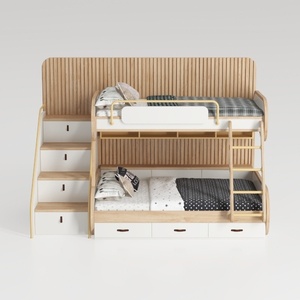
Harper & Bright Designs Bunk Bed Twin Over Twin wi
Homestyler is your go-to platform for effortless home design. With its user-friendly online design tool and stunning 3D rendering, you can easily visualize your space. Explore inspiring design projects and learn through engaging DIY video tutorials. Transform your ideas into reality with Homestyler!
立即免费设计
































