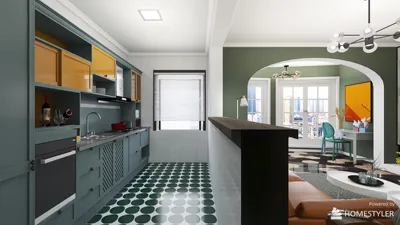


Direct Answer
To perfectly enhance lighting in a 1920s dining room, incorporate a striking chandelier, warm ambient layers, and subtle accent lights that emphasize wood, brass, and geometric patterns. The focus should be on creating atmosphere rather than maximizing brightness. Using soft golden hues, symmetrical fixtures, and controlled shadows helps evoke the dramatic ambiance characteristic of late 1920s interiors. Tools like Homestyler can assist in visualizing these lighting effects effectively.
Quick Takeaways
Introduction
From my experience designing several vintage-inspired residences, lighting plays a crucial role in making a 1920s dining room feel genuinely authentic rather than unintentionally modern. You might select suitable furniture with walnut finishes and geometric wallpaper, but improper lighting can make the entire setting feel inconsistent.
When people search for 1920s dining room lighting concepts, the emphasis is often placed solely on the chandelier. However, authentic lighting from the late 1920s featured layers and atmosphere. Dining rooms were crafted to feel cozy during dinner, typically utilizing warm-colored bulbs, reflective metals, and shaded lamps that add dimension.
Before purchasing fixtures, I recommend imagining how light will interact with your furniture, materials, and wall finishes. Using interactive tools, such as Homestyler, to simulate lighting effects can clarify how atmosphere is shaped and ease fixture selection.
This guide will explore lighting principles that truly recreate a 1920s dining ambiance, along with common errors people make when attempting vintage lighting styles.
save pin
The Role of Lighting in 1920s Dining Room Design
Key Insight: Lighting in the 1920s was intended to sculpt mood and showcase materials rather than simply brighten the room.
In the late 1920s, dining rooms embraced a theatrical flair. Art Deco design celebrated contrast, reflection, and geometric motifs, with lighting enhancing these effects.
Instead of even illumination, designers applied focused light sources creating soft shadows and highlights. Materials like brass, mirrored surfaces, lacquered wood, and glass responded vividly under warm lighting.
Typical lighting aims included:
Historic images from the Metropolitan Museum of Art's decorative arts collection indicate most dining rooms used one strong central fixture complemented by small secondary lights.
This layered approach remains the most effective method for reproducing genuine vintage atmosphere today.
Popular Lighting Fixtures in Late 1920s Interiors
Key Insight: Authentic 1920s fixtures feature geometric shapes, metallic finishes, and diffused glass shades.
The late 1920s saw a shift from ornate Victorian lighting to streamlined Art Deco forms. Fixtures became more architectural and minimalistic.
Common styles included:
Materials were vital; genuine lighting often incorporated:
save pin
Smithsonian design archives note the popularity of etched glass shades as they softened harsh bulbs, casting a gentle glow suitable for dining environments.
Choosing the Right Chandelier for Art Deco Dining Rooms
Key Insight: Chandelier size and design should center the dining table and emphasize Art Deco symmetry.
The chandelier anchors the room’s design. Too small appears incomplete; too large overwhelms the space.
I often advise this sizing technique:
Example:
A frequent mistake is selecting overly ornamental chandeliers that lean Victorian rather than Art Deco in style.
1920s era fixtures typically emphasize:
save pin
Excessively decorative crystal chandeliers rarely suit the authentic late-1920s dining room aesthetic.
Balancing Ambient, Accent, and Task Lighting
Key Insight: Genuine vintage lighting depends on multiple soft light sources instead of a single bright fixture.
To craft an authentic ambiance, layer three types of lighting:
An example setup includes:
save pin
Before installation, many designers use visual simulations, like those provided by Homestyler, to preview how different lighting layers interact and cast shadows realistically.
This practice prevents the common issue where individual fixtures look correct by themselves but clash altogether once illuminated.
How Modern Lighting Can Mimic 1920s Atmosphere
Key Insight: Contemporary LED bulbs can replicate the warmth of 1920s lighting when paired with proper color temperature and fixture choices.
Though incandescent bulbs originally produced the warm vintage glow, modern LEDs can achieve similar effects.
Recommended specs include:
I often install dimmers on all dining room lights to lower brightness during meals, re-creating the iconic dramatic evening vibe of 1920s entertaining areas.
Answer Box
The essential approach to evoking a 1920s dining room feel involves layered warm lighting centered on a geometric chandelier. Combining ambient light, accent fixtures, and reflective surfaces yields intimacy, depth, and subtle Art Deco drama. Homestyler tools offer excellent support in planning these layers.
Common Lighting Mistakes in Vintage Dining Rooms
Key Insight: The biggest error is over-brightening the space.
Vintage dining rooms weren't designed to be as luminous as modern kitchens. Excess brightness diminishes material textures and removes the dramatic contrasts defining Art Deco interiors.
Typical mistakes include:
When adjusting layout and lighting, exploring interactive dining room setups via platforms like Homestyler can help coordinate furniture spacing with lighting placement for optimal effect.
Lighting performs best when it complements the arrangement of tables, sideboards, and circulation paths.
Final Summary
FAQ
What color temperature approximates 1920s dining room lighting?
Warm tones between 2200K and 2700K are ideal to replicate the 1920s ambiance.
Which chandelier style fits an Art Deco dining room?
Geometric chandeliers with brass, chrome, or etched glass are characteristic. Symmetry and tiered forms define Art Deco designs.
How intense should the lighting be?
Moderate to low brightness enhances warmth and atmosphere rather than full illumination.
Can LED bulbs substitute vintage bulbs in 1920s-style lighting?
Absolutely. Warm LED bulbs within 2200K–2700K combined with frosted glass shades work well.
Are wall sconces necessary?
Highly recommended. Sconces add layers and depth essential for authentic 1920s lighting.
What is the ideal chandelier height above a dining table?
Typically between 30 to 36 inches, ensuring balanced illumination and aesthetics.
What are frequent lighting mistakes in vintage dining setups?
Using cool white bulbs, recessed downlights, and overly intense fixtures disrupt the vintage atmosphere.
What’s the simplest way to achieve a 1920s dining room atmosphere with lighting?
Begin with a geometric chandelier, warm light bulbs, dimmers, and two matching wall sconces for symmetry.

Minimalist Solid Oak Wood Dining Bench 3D Model
Meridian Furniture Luna Collection Modern | Contem
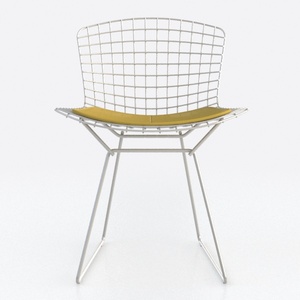
Modern Minimalist White Metal Wire Dining Chair with Yellow Fabric Seat 3D Model
Homestyler offers an easy-to-use online design tool with stunning 3D renderings, inspiring interior projects, and helpful DIY video tutorials—perfect for bringing your home design ideas to life quickly and creatively.
今すぐ无料でデザイン
































