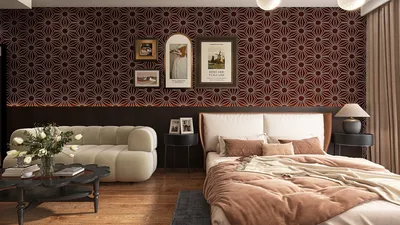


I appreciate how strategically placed wall mirrors can dramatically alter a room's dimensions, brightness, and ambiance with a single installation. When executed properly, a DIY mirror transforms into a practical piece of art that enhances natural light, opens up cramped spaces, and aids in daily activities like grooming and outfit assessments. Mirrors not only reflect; they disperse light and shape our perception of space, circulation, and color.
Strategic Placement: Light, Sightlines, and Behavior
To begin, I assess three key elements: paths of natural light, expected user behaviors, and essential sightlines. Position mirrors to maximize light flow into the room—across from or at a 45° angle to windows—while steering clear of direct glare for seating areas or screens. The IES suggests maintaining comfortable luminance ratios to avoid eye strain; strive for a gentle contrast between the window and the reflective surface. In passageways, ensure edges are free from door swings and position the mirror to enhance movement rather than obstruct it.
For intricate spaces or rentals where wall relocations aren’t feasible, I utilize simulation tools to envision layouts, assess reflections, and identify focal points. An intuitive interior planner, like the Homestyler tool, allows for visualization of natural light angles and furniture positions before making any commitments.
Choosing Mirror Type and Scale
The scale of the mirror must harmonize with the surrounding wall composition. In narrow corridors, vertical panels create an illusion of height; in living areas, a wide mirror anchors a console and extends the horizontal view. Generally, maintain a clearance of 4–8 inches around the mirror to prevent visual overcrowding, unless aiming for a bold wall-to-wall feature. In bathrooms, align the mirror with the sink and ensure its width roughly matches the vanity for an ergonomic grooming experience. Opt for single large pieces for tranquility, or multi-panel grids for a dynamic visual; grids can mimic window divisions, accentuating architectural balance.
Considerations for Framing, Edges, and Materials
The choice of frame material influences both the aesthetic and upkeep. A slim black steel frame evokes a modern, architectural feel; oak or walnut imparts warmth and tactile texture; brass introduces a soft sheen that complements warm lighting. Frameless designs with polished edges suit minimalist spaces and lend a seamless appearance to walls, although they necessitate meticulous installation. For high-traffic areas, it’s wise to select tempered or laminated safety glass with anti-shatter backing. For a sustainable approach, I look for FSC-certified wood frames and low-VOC adhesives to ensure that the mirror aligns with both style and environmental objectives.
Lighting Environment: Minimizing Glare, Maximizing Warmth
Mirrors enhance light—and they can also amplify mistakes in lighting. Combine diffused ambient illumination with focused task lighting. For living areas, a warm-white light (2700–3000K) creates a welcoming atmosphere, while a neutral tone (3500–4000K) in workspaces ensures clarity. Maintain comfortable luminance ratios; refrain from placing exposed bulbs directly in the path of reflections. A pair of sconces positioned at eye level on either side of a vanity mirror provides even illumination, and dimmers allow adjustment for different tasks and times of day.
Ergonomics and Optimal Mounting Heights
For mirrors meant for standing use, position the vertical center approximately 57–60 inches from the floor to accommodate average eye height; in households with varying heights, I lean towards 60 inches for more comprehensive visibility. When mounted over a console or mantel, allow 6–10 inches of space above the surface to prevent visual clutter. In bathrooms, the bottom edge is usually placed 5–12 inches above the sink to control splashes. Always verify the wall's construction: locate studs for heavier mirrors, utilize rated anchors for drywall, and confirm load capacity prior to installation.
Essential Hardware and Safety Measures
Employ appropriate mirror hangers or French cleats for heavier panels to ensure weight distribution and stability. For installations in seismic or highly used areas, add secondary safety straps. Renters may consider removable adhesive systems that can support the mirror's weight, or opt to lean larger mirrors secured with anti-tip brackets. In children’s rooms or gyms, using laminated glass enhances safety and peace of mind.
DIY Build Options: From Simple to Dramatic
- A ready-made frameless mirror paired with mirror clips offers a quick, minimal, and budget-friendly option. Just ensure the clips match the mirror's thickness and use level lines for accurate placement.
- For a wood-framed custom solution, create a mitered frame around a mirror cut to size; seal the inner edges with silicone to prevent movement and moisture intrusion.
- A grid mirror wall entails assembling several identical panels with narrow gaps (1/2–1 inch). This repetition fosters a strong rhythm and can effectively double the perception of a dining space.
- An arch-top accent involves templating the arch, cutting the frame from plywood, and veneering it; a shaped mirror can soften angular rooms.
Color Psychology and Styling Considerations
Only reflect what you adore. A mirror that captures clutter will magnify it. Placing it opposite a plant arrangement will enhance the biophilic impact, while positioning it across from a TV may introduce distracting visual elements. For cool-toned rooms featuring blues and grays, a warm metal frame helps balance the ambiance; in warmer palettes, matte black provides a striking contrast. Layer a mirror with artwork or sconces to curate a focal vignette—the aim is to create rhythm rather than chaos.
Acoustics and Visual Harmony
Expansive glass surfaces can subtly boost brightness and perceived vibrancy; to counteract any harshness, incorporate soft textiles (like rugs and curtains) and upholstered furniture. Ensure that the mirrored area remains proportional to solid surfaces in the room to prevent an overly reflective atmosphere. As a guideline, I typically prefer mirrors that occupy less than one-third of a feature wall unless the design calls for a bold, gallery-style effect.
Step-by-Step Installation Guide
1) Verify location and height using painter’s tape; assess reflections at various times throughout the day.
2) Locate studs or choose appropriate anchors; pre-drill and insert the necessary hardware.
3) Dry-fit the mirror to ensure alignment and level position.
4) For framed setups, construct the frame, ensuring squared corners, and apply backing; for frameless options, utilize low-VOC adhesive in vertical beads and secure with clips.
5) Secure the mirror, ensure it’s level, and clean all edges; add safety straps where required.
6) Conclude with appropriate lighting and styling options: sconces, plants, or a console to finalize the design.
Maintenance and Lifespan
Utilize non-ammonia cleaners and microfiber cloths to prevent streaks and edge damage. Regulate moisture exposure; in bathrooms, ensure proper ventilation and seal frame joints. Periodically inspect hardware for tightness, especially in areas with high foot traffic.
Frequently Asked Questions
Q1: What is the ideal height for hanging a living room mirror?
A: Aim to center the mirror around 57–60 inches from the floor to eye level, adjusting based on furniture height. If over a console, maintain 6–10 inches of space between the top surface and the mirror's bottom edge.
Q2: What size mirror should I use above a vanity?
A: The width of the mirror should align with the vanity or have 2–6 inches of margin on each side. Incorporating side-mounted sconces at eye level ensures balanced lighting and less shadowing on the face.
Q3: Can a mirror enhance glare?
A: Yes, if it’s positioned directly across from bare bulbs or intense windows. Utilize diffused lighting, dimmers, and angle the mirror to bounce light without directing it into seating areas or screens. WELL v2 emphasizes glare management as vital for visual comfort.
Q4: Are frameless mirrors safe?
A: They can be safe when correctly mounted with suitable clips or cleats and reinforced for safety. In areas with significant activity or children’s spaces, selecting laminated glass is advisable to minimize breakage risks.
Q5: How can I ensure I’m not reflecting clutter?
A: Experiment with painter’s tape and view from typical vantage points. Position the mirror to direct focus toward a clean centerpiece—be it artwork, a window view, or plants—to promote clarity and tranquility.
Q6: Which color frame is ideal?
A: Strive for balance within your color scheme. Warm metals enhance warm palettes; matte black provides definition to warm rooms; natural woods impart a softer touch to cooler interior tones. Color psychology indicates that warm tones invoke a cozy feel whereas cool tones offer serenity.
Q7: Can mirrors create the illusion of larger spaces?
A: Certainly. Positioning a large mirror opposite a light source or at a 45° angle can extend sightlines. Ensure a clear area in proximity so the reflection suggests depth rather than merely showing a wall.
Q8: What is the best method for mounting a heavy mirror on drywall?
A: Always find studs for optimum support. If studs aren’t available, utilize rated toggle anchors alongside a French cleat for distributed weight. Always confirm the mirror’s weight aligns with hardware specifications.
Q9: What Kelvin rating is recommended for bathroom lighting?
A: A neutral range of 3500–4000K delivers true color rendering for grooming tasks while avoiding harshness from cooler temperatures. Pair this with diffused fixtures to minimize shadowing.
Q10: How do mirrored walls impact acoustics?
A: Large reflective surfaces can enhance brightness and vibrancy in a room. To balance this, incorporate textiles, rugs, and acoustic panels if the space becomes excessively reverberant.
Homestyler is your go-to online home design platform! With its user-friendly design tool, stunning 3D renderings, and a wealth of DIY video tutorials, you can effortlessly create and visualize your ideal space. Transform your home design dreams into reality with Homestyler!
Design Now for FREE
































