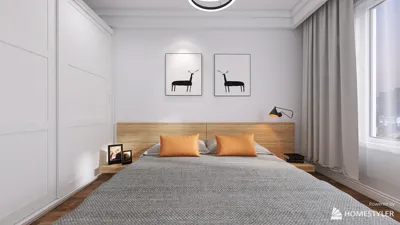


Once, I mistakenly mixed up a client's paint samples and ended up painting an entire living room in a hue that appeared purple at nighttime. This incident resulted in a call from the landlord, a laugh from my client, and an important lesson learned about checking lease agreements first. If you're curious about whether you can paint your walls in an apartment, the concise answer is generally yes, but there are guidelines, strategies, and better methods to consider. I frequently advise clients to first visualize their space with tools like Homestyler to avoid getting attached to the wrong shade due to poor lighting.
1. Get permission and plan like an expert
I always recommend checking your lease and presenting your landlord with a straightforward plan: detailing colors, brands, and a commitment to restore the original state. The benefit of this clear communication is that it helps prevent misunderstandings; however, some landlords might prohibit changes altogether or require professional repainting upon moving out.
save pin
2. Explore renter-friendly paint solutions
Innovative peel-and-stick paint films and temporary wallpapers have greatly advanced in design—they are stylish and can be removed without harming the existing finish. Although they might be a bit more expensive per square foot, they can save you from repainting costs and potential issues with your security deposit later on.
save pin
3. Use color zoning to define spaces without a permanent commitment
In open-plan apartments, I suggest employing color zoning: apply an accent wall or a vertical stripe behind your couch or bed to enhance depth. To experiment with layouts, quickly create a floor plan using Homestyler to visualize different accent placements; the main challenge is maintaining tone consistency as lighting changes, but using swatches and small test patches can assist you in this process.
save pin
4. Painting tricks that enhance spatial perception
Using light, warm neutral shades can help reflect light, giving the impression of a higher ceiling by painting the trim a shade lighter than the walls. This method creates an affordable illusion; however, if the preparation is not done properly or the sheen is incorrect, brush strokes could become visible, so take extra care when sanding and priming.
save pin
5. Synchronize finishes and visualize in 3D
Collaboratively selecting paint, fixtures, and textiles helps to prevent color conflicts. When advising busy clients, I suggest they utilize a 3D visualization tool like Homestyler beforehand so they can adjust tones digitally; while these virtual previews aren't flawless, they significantly reduce the risk of costly mistakes and decisions.
save pin
Tips 1:
Quick tip: always opt for low-VOC paints to ensure better indoor air quality, try testing a 2x2 ft patch at various times throughout the day, and take photographs—a photo captures the true color far better than just a single look.
save pin
FAQ
1. Do I need my landlord's permission to paint my apartment?
Most rental agreements require tenants to inform landlords or get written approval before making any changes to the walls. It’s safest to get this in writing and agree to return the original color upon moving out; the U.S. Department of Housing and Urban Development (HUD) stipulates that lease terms and local laws govern such modifications.
2. What type of paint is ideal for renters?
Low-VOC, washable latex paints are ideal for tenants because they are safer for indoor use and simpler to clean. For truly temporary alterations, peel-and-stick solutions provide an appealing look without the need for long-term commitment.
3. Will painting affect my security deposit?
You may lose part of your security deposit if painting violates your lease or if your landlord finds the finish unacceptable. It’s wise to document the condition of walls before and after painting to safeguard yourself.
4. How can I choose the right color for a small apartment?
Test small patches on multiple walls and observe the colors at various times of day; cooler tones can make a room feel smaller, while warm neutrals make it feel larger. Opt for one accent wall instead of a bold color throughout the entire room to keep the space feeling open.
5. Is it possible to paint over textured walls?
You can paint over textured surfaces, but they may need more paint and additional preparation such as sanding or priming to avoid flaking. Weigh the effort of smoothing the texture against the option of highlighting it as a charming feature.
6. Which tools are essential for painting?
You’ll need quality brushes, a roller suited to the wall texture, painter’s tape, drop cloths, and a primer. Cutting corners on tape or primer can lead to poor results; crisp lines and proper adhesion are critical.
7. How long should I wait before moving furniture back in?
Most latex paints are touch-dry in a couple of hours, but it’s best to wait 24–48 hours before replacing furniture to avoid indentations or sticking. Always check the paint label for the recommended recoat and curing times for optimal results.
8. Are there legal resources available regarding tenant alterations?
Absolutely—U.S. tenants can refer to the HUD and local housing authority websites for information on their rights and responsibilities; starting with the lease and local tenant resources can ensure you understand the specific rules.
save pin
Homestyler is your go-to online home design platform! With its user-friendly design tool, stunning 3D renderings, and a wealth of design projects and DIY video tutorials, transforming your space has never been easier or more enjoyable. Start designing your dream home today!
Design Now for FREE
































