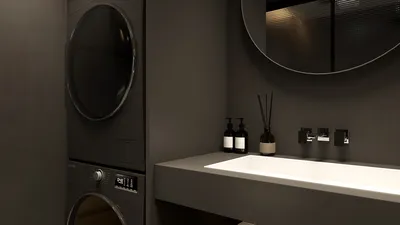


I had a client who envisioned her living room enveloped in a single color from the floor all the way to the ceiling — including the wainscoting — because she desired a serene “bubble of calm.” Initially, I felt apprehensive, but we employed some strategies to maintain the visibility of the paneling while achieving a cohesive atmosphere. If you're looking to picture the arrangement before applying paint, utilizing a tool like Homestyler can save numerous repainting efforts. In compact spaces, creativity becomes essential, and matching the wainscoting color to the walls can effectively simplify a room rather than making it appear flat.
1. Utilize the same color with varying sheens
I frequently advise clients to paint walls in a matte or eggshell finish and the wainscoting in a satin or semi-gloss. The slight difference in sheen reflects light onto the moldings, allowing the panel lines to be discernible without introducing a different color. This approach is cost-effective, durable (ideal for areas with high foot traffic), and easily maintainable, but it is important to note that overly glossy finishes may accentuate imperfections.
save pin
2. Opt for tone-on-tone with a one or two-shade variation
For a subtle contrast while still maintaining a cohesive appearance, consider selecting hues from the same paint family and darkening the wainscoting by one or two shades. This method retains the tranquil all-one-color effect, while providing a place for the eyes to rest. Though it necessitates an additional paint can, this is one of my preferred techniques for clients seeking serenity with depth.
save pin
3. Focus on texture instead of color
Incorporating texture — such as beadboard, raised panels, or textured paint — allows the wainscoting to stand out through its form rather than its hue. I applied this method in a compact condo once, and it delivered the desired “detail” the homeowner wanted without adding a different color. For those on a budget, simple molding over painted drywall can achieve the same effect; however, it involves a bit more labor for reduced costs.
save pin
4. Establish a subtle shadow line with trim or a reveal
Maintain a uniform color scheme while adding a delicate trim cap or a thin reveal between the wall and wainscot to create a slight shadow. This shadow line distinguishes surfaces while preserving a monotone palette — ideal for those aiming for a minimalist aesthetic that honors architectural features. Although this may involve slightly more carpentry work, the installation cost is typically lower than repainting afterward.
save pin
5. Leverage lighting and accessories to accentuate the paneling
Lighting and styling are often overlooked: strategically placing sconces, using narrow picture rails, or even incorporating a darker floor can enhance the visibility of the wainscoting while maintaining a consistent color theme. In kitchens and bathrooms, early planning of the layout and lighting is crucial; if you plan to experiment with painted cabinets or paneling, checking designs within Homestyler first can lead to significant paint and time savings. While these lighting upgrades can add to the costs, they also contribute to mood and enhance the property's resale value.
In conclusion, for wet areas or spaces requiring frequent cleaning, opting for a higher sheen or washable finish on wainscoting keeps the appearance fresh without compromising the one-color intention. For bathrooms, I often prototype designs using mood boards and draw inspiration from various bathroom design concepts, enabling clients to experience the texture and sheen before making a commitment.
FAQ
Q1: Is it acceptable to paint wainscoting the same color as the wall?
Absolutely. I do this regularly. By using varying sheens, textures, or delicate trim reveals, the architectural details remain visible while achieving a harmonious color palette.
Q2: What sheen should be used for wainscoting compared to the wall?
Typically, I recommend a matte or eggshell for walls and a satin or semi-gloss for wainscoting, allowing the panel profiles to reflect light effectively; semi-gloss is also easier to maintain in high-traffic areas.
Q3: Will painting everything the same color make the room appear smaller?
In fact, it can create the illusion of a larger room as the eye flows without interruption from color transitions. Pair this approach with ample lighting and vertical elements to avoid a flattened appearance.
Q4: Can I use the same paint can for both surfaces?
You may do so if you’re fine with the same sheen, but purchasing a separate sheen from the same color range is economical and enhances the definition significantly.
Q5: How can I disguise imperfections if I choose the same-color wainscoting?
Use satin or semi-gloss for the trim to reflect light away from imperfections, and ensure thorough preparation: fill gaps, sand, and prime. Proper preparation is more economical than frequent repainting.
Q6: Is the tone-on-tone effect considered more modern or traditional?
It can embody both. The tone-on-tone technique appears modern in sleek spaces and classical in period homes; the overall ambiance and molding style will determine the aesthetic.
Q7: Are there definite guidelines regarding paint sheen contrasts?
Indeed — paint manufacturers like Sherwin-Williams advocate for using varying sheens between walls and trim to enhance durability and showcase trim profiles (Source: Sherwin-Williams, https://www.sherwin-williams.com).
Q8: How do I determine which method suits my budget?
Begin with sheen adjustments and minimal molding for an economical option; as your budget allows, you can integrate texture or lighting. If you seek assistance visualizing alternatives, creating a quick mockup often leads to long-term cost savings.
save pin
Looking to transform your space? Homestyler is your go-to online design platform! With its easy-to-use design tool, stunning 3D renderings, and a wealth of DIY video tutorials, you can effortlessly create and visualize your dream home. Start designing today!
Design Now for FREE
































