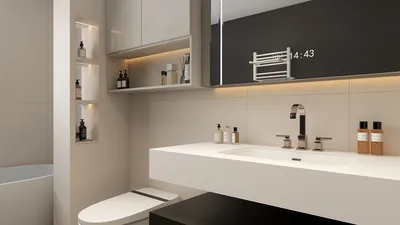


Not long ago, I committed to repainting a client's avocado-green bathroom tiles. She expressed, with complete honesty, her desire for the space to embody a ‘spa feel while retaining its retro charm.’ This request took me on a journey through extensive preparation, priming, and a realization of how a minor modification can transform an entire room. Indeed, small spaces ignite significant inspiration, and painting bathroom wall tiles offers a rapid method to experiment with a fresh appearance without a complete renovation. To streamline your vision for the final outcome, envision how a compact bathroom overhaul could influence your selections.
1. Choose the Right Primer – it's essential
I always opt for a bonding primer specifically crafted for glossy tiles before applying any topcoat. The benefits are substantial: the paint adheres well and remains durable, preventing flaking in humid conditions. Although it requires additional time and expense for materials, foregoing this step is a false saving—there have been occasions where I had to redo work due to clients wanting to cut corners.
2. Select Matte or Satin Finishes Instead of High Gloss
Matte or satin finishes effectively conceal minor flaws on the surface and soften the glare from wet tiles, contributing to a more soothing ambiance in the bathroom. They may display water marks more visibly than gloss paints, so it's essential to plan for easy maintenance with gentle cleaners while steering clear of abrasive scrubs. I’ve successfully used satin for half baths and matte for shower enclosures.
3. Implement a Half-and-Half Approach for Added Flair
Consider painting the upper portion of the wall while leaving the lower half tiled, or vice versa—this cost-effective method refreshes the space without the need for new tiles. It imparts a designer aesthetic at a lower expense with reduced risk; however, ensuring a clean edge is crucial, so I recommend utilizing quality tape and lightly sanding before taping. For confined bathrooms, I frequently draft scaled options to help clients visualize proportions.
4. Use Stencils and Color Blocking to Achieve Patterns Without Retiling
If you're looking for design patterns without the hassle of retiling, stenciling over primed tile allows you to create distinctive motifs at a budget-friendly cost. This option adds a playful touch, although it can be tricky over uneven grout lines—grout may require filling or careful masking. I once stenciled a delicate Moroccan design for a client who adored the pattern but was deterred by the price of new tiles.
5. Don’t Skip Sealing and Maintenance – Critical Steps Often Overlooked
Once the painting is complete, applying a clear water-resistant sealer or a durable bathroom-grade topcoat enhances longevity in humid environments. The upside is increased durability, but be aware of the extended drying time and odors during application. If you wish to preview how different finishes will appear under actual lighting conditions, consider utilizing tools that allow you to visualize changes in 3D, perhaps even through the Homestyler platform, before making any commitments.
Cost-saving tip: typically, painting and priming a small bathroom is significantly cheaper than installing new tiles, though be sure to include the primer, patching grout, and topcoat in your calculations. I suggest testing a small section and living with it for a week before committing to the entire area.
If your goal is to achieve a comprehensive aesthetic transformation, look into methods of viewing realistic 3D renderings, like those offered by Homestyler, to ascertain whether the painted tiles will harmonize with new vanities or lighting selections.
FAQ
Q: Is it possible to paint bathroom tiles that frequently get wet (like a shower surround)?
A: Yes, but it necessitates a high-bond primer along with a water-resistant topcoat. For shower floors or areas prone to splashing, I often advocate replacing tiles rather than painting to ensure safety and durability.
Q: What type of primer should I apply to ceramic or glazed tiles?
A: A bonding primer formulated for glossy surfaces is ideal—these products are specifically designed to adhere to non-porous tiles. Always follow the manufacturer's recommended drying times for optimal adhesion.
Q: What paint finish is most suitable for bathrooms?
A: Satin or low-sheen finishes strike a perfect balance between washability and minimizing glare. It’s best to avoid flat finishes (difficult to clean) and high gloss (reveals defects) for splashed walls.
Q: How long can painted tiles endure in a humid bathroom?
A: With the proper primer and a quality topcoat, painted tiles can maintain their appearance for several years. However, expect shorter lifespans in consistently wet areas unless you use specially rated products for such applications.
Q: Is there a potential for mold or mildew on painted tiles?
A: Adequate ventilation combined with mildew-resistant paint or sealer significantly mitigates risk. Regular cleaning with non-abrasive products helps maintain fresh surfaces.
Q: Can I apply paint over grout?
A: Thin grout lines can indeed be painted as long as they are properly cleaned and primed, but elevated or deep grout will require leveling or specific masking for a neat appearance. Many professionals choose to recolor grout separately using grout paint to achieve a sharp finish.
Q: Where can I find reliable professional advice for painting tile?
A: Manufacturer instructions are crucial—Sherwin-Williams offers comprehensive, product-specific guidance on preparing and painting tile (refer to Sherwin-Williams’ advice: https://www.sherwin-williams.com/homeowners/how-to/painting-tile). Adhering to these preparation steps will yield the best results.
Q: Should I attempt a DIY project or hire a professional?
A: If you’re confident in your ability to meticulously prepare, mask, and adhere to product guidelines, this is certainly a manageable DIY task. Conversely, consider hiring a professional if the area is sizable, safety-critical (like floors), or if you desire a flawless finish in a short timeframe.
Discover the magic of home design with Homestyler! This user-friendly platform offers an intuitive online design tool, stunning 3D renderings, and a wealth of design projects. Plus, you can learn and get inspired with DIY video tutorials. Transform your space effortlessly today!
Zaprojektuj teraz za darmo
































