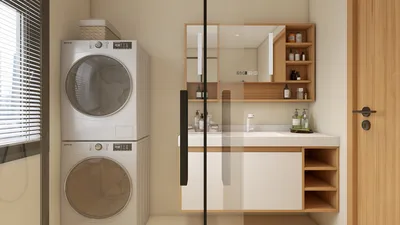


I once took on the challenge of painting a client's basement cinder block wall at 8 PM after their contractor unexpectedly disappeared. They requested a vibrant neon coral, which I politely declined. However, that night revealed the incredible power of a good primer and a well-thought-out plan; it's amusing how small, stubborn walls can ignite significant creativity. For additional before-and-after motivation, I often showcase a design case study where a simple painted block wall transformed into the standout feature of a compact kitchen, demonstrating the impact of using tools like Homestyler.
1. The Essential Steps: Clean, Patch, and Prime
While many desire immediate color, they often overlook the critical preparatory work. I always begin by addressing any efflorescence, filling any gaps with hydraulic cement, and applying a high-quality masonry primer. This essential step ensures durability. The benefits are clear: paint adheres better, offers a more appealing finish, and resists peeling. Be mindful, though — the preparation involves time and can emit strong odors, so allocate a full day or consider hiring a professional.
save pin
2. Opt for Breathable Options in Basements: Limewash or Mineral Paint
If you suspect moisture issues, using breathable finishes such as limewash or mineral paints can be extremely beneficial. I previously applied limewash to a damp utility wall, which not only softened the block's surface but also allowed it to breathe. This method is cost-effective, although it might require reapplication over time as it can fade.
save pin
3. Alter Perception of Space with Color and Pattern
Looking to create an impression of height? Consider painting vertical stripes or adding a lighter band at the top third of the wall to give the ceiling an elevated appearance. For a deeper look, a rich charcoal with a satin finish can transform a cinder block wall into a cozy setting. If you're laying out ideas before diving into painting, utilizing an interactive room design tool like Homestyler can help you visualize your concepts so you don't regret your choices later on.
save pin
4. Incorporate Texture: Skim Coating or Stenciling
An application of a thin skim coat with cement-based materials not only smooths but also elevates the aesthetics of cinder blocks. Alternatively, using stencils or geometric masks can craft playful designs without incurring the costs of extensive cladding. The challenge lies in the labor: while skimming demands skill, creating stencils can be time-intensive, but the outcome can rival that of more expensive finishes for a DIY enthusiast.
save pin
5. Final Touches: Seal and Style with Accessories
To protect your freshly painted block wall, consider using a compatible topcoat if the wall will undergo wear. Then, enhance the space with staggered shelving, warm lighting, or hanging planters to divert attention from any imperfections. I often remind clients that decorative elements can mask various flaws, but these features are only as effective as the preparation applied underneath. For polished visuals, refer to high-resolution renderings that showcase successful transformations using tools such as Homestyler.
save pin
Frequently Asked Questions
Q: Is it feasible to paint directly on cinder block? You can indeed paint right onto the block, yet the outcome greatly depends on effective cleaning, priming, and moisture assessment. For longer-lasting results, using a masonry primer beforehand is advisable.
Q: What types of paint are optimal for cinder block surfaces? Popular choices include masonry latex paints and elastomeric coatings; if breathability is essential, mineral paints or limewash are worth considering. Your selection should align with moisture conditions and your desired finish.
Q: How should I handle efflorescence? If you encounter efflorescence, scrub it away using a stiff brush and a mild acid cleaner if necessary, then allow the wall to dry completely before applying a primer. Continuous efflorescence indicates an underlying moisture problem that requires addressing first.
Q: Should I choose to skim coat or simply paint over the texture? While skim coating provides a sleek, modern appearance, it comes with added costs and time. On the other hand, painting retains the texture and is a more economical option. My choice hinges on budget constraints and the desired aesthetic of my clients.
Q: Is it acceptable to use regular interior paint in a basement? Regular paints might trap moisture, so I generally recommend breathable options such as mineral-based or specific masonry paints for basement areas. For reliable guidance, consulting the manufacturer's recommendations from brands like Sherwin-Williams is beneficial as they detail proper masonry preparation and product use.
Q: What is the expected lifespan of painted cinder block? With proper preparation and the correct choice of paint, you can anticipate a long-lasting finish. Areas with heavy traffic or persistent moisture may require touch-ups or resealing more frequently, so I advise clients to plan maintenance every five to ten years based on environmental conditions.
Q: Is it possible to paint over previously painted cinder block? Yes, but any areas of scuffed or peeling paint must be stripped away, and the surface should be primed. Ensuring good adhesion is crucial; it's advisable to sand or abrade glossy older paint surfaces prior to new application.
Q: Do you have any budget advice for DIYers? Purchase masonry primer in bulk sizes, experiment with small paint samples, and spread the prep work over a couple of weekends. If you're uncertain about moisture, investing in a moisture meter can save you unnecessary paint purchases and frustration down the line.
save pin
Homestyler is your go-to online platform for effortless home design. With a user-friendly design tool, stunning 3D renderings, and a treasure trove of DIY video tutorials, transforming your space into a dream home has never been easier. Start designing today!
Concevez maintenant gratuitement
































