


Organizing a birthday celebration in a small hall can be both intimate and vibrant, providing a polished atmosphere if each section is effectively utilized. My approach to compact event spaces blends spatial design, essential lighting principles, and a focus on guest flow, ensuring that attendees enjoy themselves without feeling confined while making the event appear thoughtfully curated instead of haphazard. Studies indicate that enhancing layout and comfort in the environment positively influences behavior. For instance, Steelcase highlights that spaces designed with human needs in mind foster greater engagement, while WELL v2 emphasizes the impact of light, sound, and movement on comfort and mood during gatherings. To aid in this, tools like Homestyler can be invaluable for planning layouts effectively.
Lighting plays a crucial role in setting the ambiance and controlling the perceived size of a space. The Illuminating Engineering Society (IES) suggests that typical ambient lighting for multi-functional areas should range between 200–300 lux, while accent lighting for key features—like cake displays—can reach 500–750 lux. WELL v2 recommendations advocate for glare control and tunable white lighting in the 2700–3500K spectrum for social events; using warm to neutral tones can enhance the atmosphere without detracting from the decor. Incorporating simple, dimmable LED uplights and portable task lamps can create layered lighting without cluttering the visual space, guiding users towards a more comfortable and healthy setting suitable for small venues, potentially utilizing tools like Homestyler for visual planning.
Define the Space into Zones
I divide small halls into four designated zones: reception/coat area, food and drink, seating for socializing, and a focal point (such as a cake display, photo backdrop, or DJ setup). Keeping pathways at a minimum width of 36 inches allows for easy movement without occupying too much usable area. When testing arrangements beforehand, utilizing a room layout tool can effectively simulate seating clusters and traffic patterns, streamlining the setup process.
Optimize Seating for Social Interaction
The best social interactions occur in smaller groups. I often opt for 24–30 inch cocktail tables for those standing together, complemented by a few compact 36–42 inch round tables for seated discussions. Aim for at least 36 inches of space between tables whenever feasible; 30 inches is the bare minimum for tight spots. Configuring chairs at a slight angle can visually widen the aisle as opposed to having them all face inward, which effectively reduces the feeling of crowding.
Create a Memorable Focal Point
Even in smaller venues, a single eye-catching element can create lasting memories and help structure movement throughout the space. Positioning the cake or photo wall along the longer wall helps prevent congestion at entrances. Elevating these elements with a 12–18 inch riser or a bold single-color backdrop ensures clear, attractive photos. According to color psychology, a carefully chosen palette can set different moods: warm reds and corals can energize a space, while refreshing greens and teals provide tranquility. Resources like Verywell Mind can offer quick guidance on how colors influence perception and mood, which can be visualized using tools like Homestyler.
Strategic Buffet and Bar Arrangement
Linear buffets tend to occupy too much room; I recommend setting up two separate stations: one for savory items and another for sweets and beverages. Placing these in an island format in the middle of the room minimizes waiting times and encourages guest dispersion. Ensure counters are approximately 36 inches high and maintain around 18 inches of space at both ends for plates and napkins. In instances where only a single power outlet exists, use low-amperage options for necessary appliances, routing cables discreetly to prevent trip hazards.
Layered Lighting to Enhance Perception of Space
For small venues, I advocate for three types of lighting: ambient (soft fill), accent (for the cake table and signage), and sparkle (such as string lights). Aiming for a warm 2700–3000K light setting for the majority of the event is ideal, while brightening to 3200–3500K when clarity is required for food. Position lighting above eye level to minimize glare. An uplight placed behind the backdrop can draw the eye upward, creating an illusion of height and making the room feel larger.
Managing Sound and Acoustics Without Excess
Small halls can cause sound to echo; I strive to keep peak sound levels below 85 dB, aiming for background music around 65–70 dB, allowing guests to converse peacefully. Utilizing soft fabrics—like draped materials on focal walls, rugs beneath seating arrangements, and upholstered furniture—can help absorb sound reflections. It’s best to position speakers away from corners to diminish bass buildup; employing two smaller speakers placed wide can be more effective than a single loud one.
Facilitating Traffic Flow and Guest Behavior
Guests tend to congregate near entrance points, food areas, and focal attractions. To guide this, I position the welcome area about six to eight feet inside the entry to draw arrivals further into the space. The cake moment is strategically scheduled later in the event to encourage mingling first. Associating subtle cues with guest behavior can enhance flow: a well-lit beverage station invites refreshment, a dimly lit seating area encourages conversation, and a brightly lit photo backdrop signals action.
Choosing Lightweight, Durable, and Photogenic Materials
I prefer materials that are not only portable but also visually appealing, including matte linens to minimize shine, satin ribbons for a touch of elegance, birch plywood risers for strength while remaining lightweight, and reusable LEDs for eco-friendliness. Whenever possible, I opt for low-VOC finishes to ensure better indoor air quality. Avoid placing mirrored surfaces directly opposite the backdrop, as they can clutter photos and create unflattering glare.
Select a Color Palette That Promotes Energy and Comfort
Implementing a two-color base alongside one accent color helps maintain a clean visual environment. For children's parties, I often combine one vibrant shade with two softer neutral tones. In contrast, adult events may benefit from a monochromatic base (like charcoal or ivory) paired with a celebratory accent (such as gold, ruby, or cobalt), providing an upscale look. Skin-friendly warm whites (approximately 3000K light in conjunction with cream-colored textiles) will enhance faces in photographs.
Proportion Decor and Table Settings Effectively
When selecting decor, consider the sightlines within small spaces. Centerpieces should remain low (under 10–12 inches tall) unless they are against the backdrop. Employ vertical lines around the edges of the room and horizontal lines on tables to maintain a light visual flow through the center. If balloons are a part of the decor, cluster them at the feature wall or in corners to keep pathways open and prevent obstructing head height.
Scheduling and Staffing for Coziness
Small venues thrive on a concise schedule. I suggest organizing the event in a sequence: welcome (15–20 minutes), initial mingling (20–30 minutes), light programming or toasting (10–15 minutes), cake and photo opportunity (15–20 minutes), followed by open mingling and dancing (30–60 minutes). Typically, one floor manager and one beverage server are sufficient for 30–40 guests; excess staff can create a crowded feeling.
Quick Layout Suggestions
• For a narrow hall: position the focal backdrop on the long side, float two cocktail tables directly opposite, and set up a compact buffet at the short wall towards the midpoint.
• For a square hall: center a 36–42 inch round table for cake-cutting, place four cocktail tables in each corner, and flank the photo wall with two uplights for illumination.
• For an L-shaped hall: maintain the welcome area in the short section, place the buffet along the inner edge, and utilize the longer section for seating and dancing. For visualization of multiple configurations, utilize an interior layout planner before setup, ensuring an effective use of space.
Packing Checklist
• Dimmable LEDs, extension cords, gaffer tape
• Two fabric backdrops, one riser, string lights
• Matte linens, napkins, compostable plates
• A pair of small speakers, playlist, decibel app
• Cleaning supplies, waste/recycling bins
• An emergency kit: first aid, spare chargers, markers
Frequently Asked Questions
Q1: What brightness level is ideal for a small hall birthday party?
A: Target an ambient brightness of 200–300 lux with focal points at 500–750 lux. Warm to neutral color temperatures (2700–3500K) with dimmable options can transition the mood throughout the evening, in line with IES and WELL v2 standards.
Q2: Which table sizes function best in compact spaces?
A: Using 24–30 inch high tables for standing clusters, and 36–42 inch round tables for seated groups. Always maintain about 36 inches between tables for optimal circulation.
Q3: How can I avoid a crowded feeling?
A: Segment the space thoughtfully, ensure clear paths of at least 36 inches, and centralize decor at the edges and focal areas. Testing layout options using an interior layout planner can facilitate proper traffic flow before execution.
Q4: Which color palettes are most photogenic?
A: Stick to a clean palette centering on two main colors plus one accent. Warm whites and soft neutrals complement skin tones well; incorporate a single vibrant accent at the focal wall for added impact.
Q5: How should I control music volume effectively?
A: Maintain background music around 65–70 dB for conversation, ensuring peaks remain under 85 dB. Using two smaller speakers positioned wide instead of one centralized loudspeaker helps minimize sound reflections.
Q6: Do you have suggestions for glare-free lighting?
A: Place lighting above eye level, utilize diffusing materials, and avoid directing beams straight towards guests. Using uplighting for the backdrop creates verticality while minimizing glare.
Q7: What is the best positioning for the cake and photo opportunity?
A: Position the focal wall on the longer side to aid in traffic distribution. Elevate the cake slightly (by 12–18 inches), incorporate side lighting, and keep the area unobstructed for smooth queuing.
Q8: How many staff members are appropriate for small hall events?
A: For gatherings of 30–40 guests, usually one floor manager and one beverage attendant are adequate. Any more could create a congested environment.
Q9: How can I enhance acoustics without installing panels?
A: Introduce soft textiles such as tablecloths, rugs, upholstered furniture, and fabric backdrops. Place speakers strategically away from corners to manage bass levels effectively.
Q10: What sustainable options are ideal for compact gatherings?
A: Opt for reusable LEDs, choose low-VOC materials, lightweight plywood risers, and compostable tableware. Consolidating decor elements will lower material use while keeping a significant visual impact.

Modern Solid Wood Brass Accent Single Drawer Coffee Table 3D Model
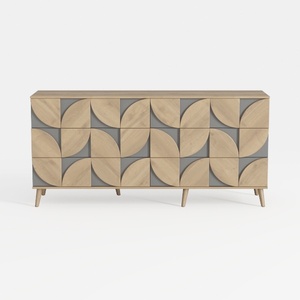
Modern Geometric Pattern Solid Wood Sideboard Cabinet 3D Model
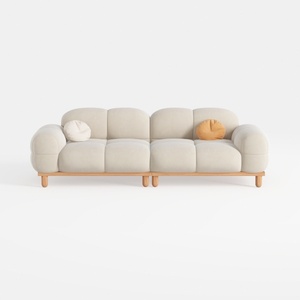

Minimalist Beige Fabric Solid Wood Sofa 3D Model
Homestyler is your go-to online home design platform, offering a user-friendly design tool and stunning 3D renderings. Explore extensive design projects and enhance your skills with DIY video tutorials, making it easy to transform your ideas into reality—perfect for any home enthusiast!
تصميم الآن مجانا
































