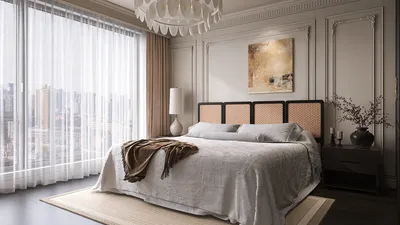


In living rooms, I utilize ceiling fans equipped with integrated lighting for their dual benefits: they enhance thermal comfort and add to the lighting scheme without cluttering the ceiling. A properly chosen fan promotes air circulation at minimal noise levels, lowers energy expenses, and complements the overall room layout above seating areas. During warmer months, gentle air movement can create a perceivable cooling effect of 3–5°F; when combined with effective lighting, it transforms the atmosphere of the room at various times of the day.
Research backs this approach. Studies from Steelcase reveal a significant relationship between thermal comfort and overall satisfaction and productivity, identifying occupant comfort as a crucial factor in spatial effectiveness. Similar insights from Herman Miller indicate that improved environmental conditions, including temperature, help enhance task concentration. Additionally, WELL v2 guidelines emphasize the importance of balanced lighting and glare control to foster visual comfort and align with circadian rhythms. This results in daily benefits such as reduced eye strain, minimized hot spots, and a more consistent overall glow. For comprehensive insights into occupant wellbeing, I often refer to the WELL v2 performance criteria.
Living rooms inherently serve multiple functions—reading, streaming, socializing, and even working at times. The advantage of a fan light lies in its capability to provide layered lighting (ambient, task, and accent) and regulated airflow (considering blade pitch, diameter, and speed). The Illuminating Engineering Society (IES) recommends task illuminance levels between 200–500 lux for living spaces, while warm-white light sources around 2700–3000K maintain a cozy ambiance during the evening. During winter, use a fan at low to medium speeds in reverse mode to circulate warm air without drafts.
How to Properly Size and Position Your Fan Light
The right proportions are key to ensuring comfort. For living rooms measuring around 100–150 sq ft, a fan with a diameter of 44–48 inches is generally adequate; for spaces between 150–300 sq ft, opt for fans ranging from 52–60 inches. Selecting a blade pitch of 12–15° allows for effective air movement at lower speeds, reducing noise. Additionally, the mounting height is crucial: maintain a clearance of at least 7 feet above the ground (with 8–9 feet being ideal in living areas) and center the fan over the main seating arrangement. If your space includes multiple seating areas, consider adding a secondary accent fixture while reserving the main fan for the primary seating group.
Light Quality: Managing Color, Brightness, and Glare
Color psychology indicates that warm tones foster relaxation. Research from Verywell Mind suggests that warm colors enhance comfort—reflected in the recommended color temperature of 2700–3000K for evening settings and 3000–3500K for ample daylight brightness. Aim for a high Color Rendering Index (CRI) of 90+ to preserve natural skin tones and accurately render materials. Utilize frosted or prismatic diffusers to minimize glare, and ensure that the luminaire offers dimming capabilities ranging from approximately 10–100%. Pair the fan light with portable task lamps near reading areas to achieve the IES-recommended task lighting levels without overburdening the ceiling fixture.
Airflow Strategy: Seasonal Adjustments and Noise Management
In summer, set your fan to rotate counterclockwise for a refreshing breeze; switch it to clockwise during winter to gently push warm air down without causing drafts. Look for fans with DC motors to minimize operational noise and reduce energy consumption, as these motors are typically quieter and more efficient than their AC counterparts. During conversations and streaming sessions, maintain moderate speeds to avoid disturbing fluttering papers or overly noticeable airflow. In open-plan spaces, adjust air movement levels—higher speeds in the kitchen area and lower speeds near seating areas—to strike a balance between sound and comfort.
Aesthetic Integration: Style, Materials, and Finishes
Your fan should blend seamlessly into the ceiling aesthetics rather than appear as an afterthought. In contemporary interiors, opting for streamlined designs with clean blade shapes (generally 3–4 blades) keeps the appearance sleek. In transitional rooms, a subtle decorative hub paired with wooden blades can soften the look. Matte finishes help reduce glare, while warm wood tones harmonize beautifully with tan leather and textured fabrics; alternatively, black blades can provide a striking contrast as a design anchor. Ensure consistency in scale across all ceiling fixtures—if you have recessed lighting or a central pendant, the fan light should complement rather than compete with these elements.
Layout Considerations: Furniture Arrangement, Sightlines, and Media
When planning the fan light, consider circulation patterns and viewing angles carefully. Ensure that it is positioned away from projector light paths or tall shelving. If you are rearranging the space, utilizing a room layout tool can help visualize blade reach over seating areas and check sightlines from the main sofa to the television. Centralizing the fan above the coffee table usually aligns well with both visual balance and airflow distribution. In elongated rooms, think about adding another ambient light source at the opposite end to prevent uneven lighting.
Controls: Dimming Options, Speed Settings, and Smart Home Integration
Achieving optimal comfort requires control. Choose a wall-mounted controller that offers discrete fan speeds and a separate dimmer for lighting. Smart home systems can automate these transitions—for instance, brighter settings in the morning and softer, warmer tones in the evening, along with slower fan speeds when chatting. If using various light sources, create scene presets tailored to your activities: “Movie” mode (fan on low, lighting at 20–30%), “Reading” mode (medium fan speed, task lamp on, lighting at 60–70%), and “Social” mode (medium-low fan speed, lighting targeted at 40–50% across the room).
Acoustic Comfort: Mitigating Sound and Vibration Issues
Quietness is essential for living rooms. During installation, check the fan blade balance and use rubber isolators on the mounting brackets to prevent vibrations traveling to the joists. DC motors help minimize the humming noise, and larger blades operating at lower RPMs can move air quietly compared to smaller blades at higher speeds. It's best to keep the fan away from hanging plants or mobiles that could rattle. If a slight whir becomes noticeable during the night, lower the speed by one level and rely on accent lamps to maintain the desired ambiance.
Energy Efficiency and Sustainability
Combining high-efficiency DC motors with LED modules (dimmable, CRI of 90+) enhances energy conservation while improving light quality. LED bulbs typically last between 25,000–50,000 hours; opting for replaceable light engines instead of sealed units can prolong the lifespan of the fixture. Choosing wooden blades from certified sources and low-VOC finishes also contributes positively to indoor air quality. Start with daylight as your primary light source, then enhance it with the fan light to achieve targeted lux levels.
Common Mistakes and How to Sidestep Them
Installing an oversized fan in a small room can lead to uncomfortable drafts, while an undersized fan forces you to increase speed, leading to noise issues. Glare from clear glass shades can cause eye strain—always opt for frosted diffusers. Mounting the fan too low disrupts sightlines and can feel intrusive, particularly in spaces with taller users. Mixing different color temperatures (e.g., using 6500K bulbs alongside 2700K lamps) can break the visual harmony in a room; keep the correlated color temperature (CCT) consistent and utilize dimming to avoid harsh brightness.
Living Room Fan Light Styles Worth Considering
- Minimal Modern: sleek hub, 3-blade design, 3000K LED, matte black or white.
- Warm Transitional: wooden blades, subtle diffuser, 2700K LED, bronze finish.
- Coastal Breeze: light oak blades, linen-shaded light fixture, soft curves.
- Contemporary Sculptural: eye-catching blade shapes, high-CRI LED, dim-to-warm module.
Installation Tips
Always check the box rating to ensure it supports fan installation (use a fan-rated junction box), verify the ceiling slope, and utilize downrods for taller ceilings to maintain optimal blade height. Confirm that the wiring allows for separate control of the fan and light. Balance the blades according to the manufacturer’s guidelines and securely tighten all hardware to avoid wobbling.
Frequently Asked Questions
Q1: What size fan is ideal for an average living room?
A1: For spaces of 150–300 sq ft, a 52–60 inch fan is a great starting point. Maintain a blade pitch around 12–15° to foster effective airflow at reduced speeds.
Q2: What is the appropriate color temperature for the integrated lighting?
A2: Use 2700–3000K for a cozy evening atmosphere; for daytime, aim for 3000–3500K brightness. A CRI of 90+ will ensure accurate color rendering.
Q3: How bright should the fan light be?
A3: Treat it as ambient lighting. Aim for a total illuminance in the 200–500 lux range for the living area per IES recommendations, and supplement with task lamps for reading.
Q4: Is it beneficial to select a fan with a DC motor?
A4: Yes, DC motors are generally quieter and more energy-efficient than AC ones, providing smooth speed regulation and reduced operational noise.
Q5: What can be done to minimize glare from the fan light?
A5: Employ frosted or prismatic diffusers, use dimmable drivers, and keep the light source on the warmer side of the spectrum. Avoid clear bulbs that are directly visible from seating.
Q6: What is the optimal height for mounting a fan in a living room?
A6: Blades should be positioned at least 7 feet above the ground; 8–9 feet is optimal. Apply downrods for higher ceilings to achieve this height.
Q7: Can the fan be utilized during winter?
A7: Yes, simply switch it to clockwise rotation at a low speed to recirculate warm air without producing drafts.
Q8: How can a fan light affect the acoustics of the room?
A8: Properly balanced blades and DC motors help reduce hum. Installation with vibration isolators is recommended, and maintaining lower speeds in conversation areas minimizes sound disruption.
Q9: Will the fan obstruct my projector or television?
A9: Ensure the fan is placed away from projector light paths and mount it over seating rather than between the projector and screen. For TVs, avoid reflections from glossy diffusers.
Q10: Which finishes are most suitable for modern interiors?
A10: Opt for matte black or white finishes for minimalistic designs and warm woods for transitional areas. Match the metal finishes to other hardware for a cohesive look.
Q11: How should I plan furniture positioning around the fan?
A11: Center the fan above the main seating area and verify sightlines. If rearranging furniture, use an interior layout planner to visualize blade reach and viewing angles.
Q12: Are dim-to-warm LEDs beneficial in living rooms?
A12: Definitely. These bulbs transition from approximately 3000K to 2200K when dimmed, simulating the warmth of evening light and enhancing relaxation.

Homestyler is an outstanding online home design tool that makes your renovation dreams a reality. With its user-friendly interface, stunning 3D renderings, and a wealth of DIY video tutorials, you can easily create and visualize your ideal space, whether you're a beginner or a seasoned designer!
Design Now for FREE
































