

I have installed (and repositioned) numerous Febreze Small Spaces units in various environments such as homes, break rooms, and reception areas. When these units fall short in performance, it typically results from factors like activation, placement, airflow, or depletion. Before discarding your unit, consider these quick checks and professional adjustments I utilize in spaces managed by clients.
An effective indoor air strategy must harmonize scent, airflow, and human comfort. According to research conducted by Steelcase, a well-optimized environment correlates with enhanced performance, revealing that a comfortable workplace fosters measurable improvements in satisfaction and focus. Their findings consistently highlight sensory comfort as a crucial aspect of perceived effectiveness (source: Steelcase Research). Similarly, WELL v2 promotes low-irritant scent strategies and adequate air circulation, with its Air concept prioritizing pollutant management and ventilation driven by comfort (source: WELL v2). These insights shape the placement and dosage recommendations I will present.
Understanding how these units function is crucial: Febreze Small Spaces utilize passive diffusion—operating without power, relying on evaporation through a membrane. This means that factors such as airflow, temperature, and placement significantly affect their performance. The Illuminating Engineering Society notes in its recommended practices that perceived quality of the environment is linked to effective lighting and comfort management; while not specific to diffusers, the key takeaway remains: compact devices perform optimally when not challenged by adverse environmental conditions (source: IES standards overview).
Common Reasons Your Febreze Small Spaces Might Stop Working
Based on usage, these are typically the main issues:
Step-by-Step Troubleshooting Guide
Most complaints about insufficient scent can be traced back to activation issues. To troubleshoot, remove the unit and verify that the back tab was pressed completely until it clicked, and check if the scent window shows that the reservoir is accessible. If the mechanism was only partially engaged, the fragrance may not release effectively.
Position the unit in a small, enclosed space with minimal air movement—ideal locations include powder rooms, closets, or near door frames of bathrooms. Avoid placing it in cabinets, deep shelves, or directly behind curtains. Excessive direct drafts (like from HVAC vents or fans) can deplete it quickly; conversely, insufficient airflow can cause diffusion to stall. If you are reorganizing a half bath or laundry area, using an interior layout planner can assist in identifying optimal air pathways and avoiding obstructions.
Accumulated dust and household oils on surrounding surfaces can diminish scent strength. Clean the area around the device with a damp microfiber cloth while ensuring not to touch or wash the membrane directly; just make sure the supporting surface is clean and dry.
These cartridges are tailored for small areas. If you are attempting to refresh a larger entryway or open kitchen, a single unit will likely be insufficient. In expansive spaces, consider clustering two or three units at strategic airflow junctions (such as near a doorway, across from a return grille, or along frequent traffic paths) or opting for a powered diffuser.
Olfactory adaptation can occur quickly. If your guests notice the scent but you do not, the unit likely functions as intended. To reset your perception, periodically rotate scents or change the device's position every 1–2 weeks.
Colder rooms slow down evaporation rates, while warmer environments accelerate it. Bathrooms with heated floors may drain a cartridge more rapidly. If your powder room remains cool, anticipate a muted scent release alongside a longer lifespan; in hotter areas, the reverse holds true.
When the scent reservoir appears depleted or dry, it's time for a replacement. Most users find their cartridges last between 30 to 45 days under normal conditions; higher traffic or warmer spots may shorten this duration. Properly dispose of used cartridges and wash hands after handling.
Advanced Placement Techniques I Utilize in Projects
Scent Strategy: Aligning Notes to Use Case
Light, fresh scents are suitable for bathrooms and closets, while warmer or herbal notes work well in laundry areas. If multiple spaces are connected, maintaining a unified scent family can prevent conflicting aromas. Humans closely associate scent with memory; research in color and environmental psychology indicates that consistent, low-intensity stimuli promote calm and familiarity (see Verywell Mind’s coverage on color psychology for related sensory insights).
When the Scent Becomes Overpowering
If a Small Spaces unit is too potent for a small powder room, try relocating it to a less constricted area, partially concealing it with a small ceramic object that disrupts direct air flow (without obstructing the membrane), or positioning it further from the primary seating or standing area. Maintain air freshness by briefly ventilating the area to prevent odor buildup.
Common Pitfalls to Avoid
Alternatives if Passive Diffusion Falls Short
For larger rooms, consider using plug-ins with adjustable output or a smart diffuser that can be timed to coincide with occupancy. In moisture-rich areas, prioritize improvements in ventilation first; neutral air often surpasses fragrance layering. If persistent odors remain (for instance, mold), address the root cause through cleaning and dehumidification prior to relying on scent for enhancement.
Quick Diagnostic Checklist
Frequently Asked Questions (FAQ)
You should feel and hear a solid click when you activate the tab. The scent window should indicate an opened reservoir. If you're uncertain, remove the unit and reapply steady pressure to re-engage the tab.
Two primary reasons for diminished scent are nose fatigue (where you become accustomed to the scent) and improper placement. Ask a guest if they can still detect it, and adjust the positioning to a lightly ventilated area away from drafts.
The ideal location is an open shelf set at around 36–42 inches high, not placed behind doors or underneath a supply vent. Maintain a few inches distance from walls to ensure air can circulate around the membrane.
This unit is not effective in large, open spaces. Consider deploying multiple units at airflow junctions or select an adjustable plug-in diffuser for enhanced coverage.
Keep out of children's reach and avoid any contact with the liquid. Ensure adequate ventilation while following the manufacturer's safety guidelines. If sensitivities occur, remove the device and ensure the area is aired out.
Typically, the unit lasts about a month under moderate conditions. Warmer environments and direct airflow will shorten its lifespan, while cooler, enclosed spaces can extend it.
If needed, relocate it closer to the closet entrance near the door, position it lower, or partially obstruct the airflow with a small object without covering the membrane. You can also open the door briefly each day to reduce concentration.
Avoid washing the membrane directly. Instead, clean the adjacent shelf and housing with a dry or slightly damp cloth to eliminate dust that could diminish scent strength.
What you are experiencing is olfactory adaptation. Consider rotating scents every few weeks or shifting the unit's position within the same room to refresh your perception.
Yes, direct sunlight or proximity to heat sources accelerates evaporation and can alter the scent profile. Ensure it’s kept out of sunlight and away from radiators or heated towel rails.
A lower setting can assist with gentle scent distribution, but fast airflow can lead to quicker depletion of the cartridge. Aim for a subtle air circulation rather than a strong draft.
Tackle the source first: enhance ventilation, dehumidify, and perform thorough cleaning. Consider using activated carbon or HEPA filtration to combat stubborn odors, employing fragrance as a final touch rather than the primary solution.
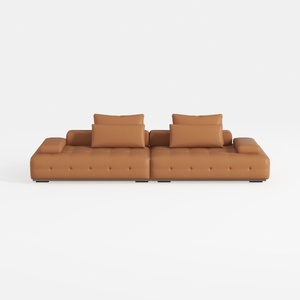

Modern Tufted Leather Oversized Sectional Sofa 3D Model
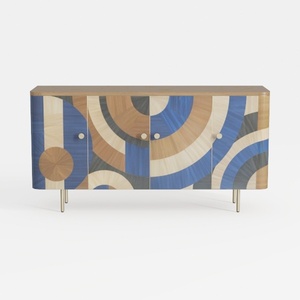
Art Deco Geometric Pattern Solid Wood Sideboard with Metal Legs 3D Model
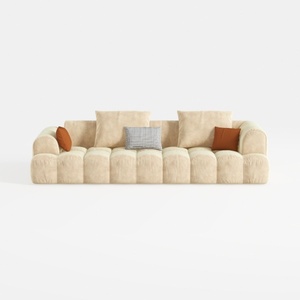
Minimalist Fabric Large Sofa With Decorative Throw Pillows 3D Model
Homestyler is the ultimate tool for anyone looking to design their dream space effortlessly. With an intuitive online design tool, stunning 3D renderings, and a wealth of DIY video tutorials, you can explore endless design possibilities and bring your visions to life in no time!
지금 무료로 디자인하세요
































