

Organizing events in a limited space requires careful consideration and planning. I've orchestrated numerous gatherings in social halls where each square inch is utilized efficiently—facilitating movement, ceremonies, service, and moments of respite. In cozy event locations like Zaitoon Party Hall, the aim is to create a pleasing density: it’s about accommodating more attendees, enhancing activities, and elevating the atmosphere while avoiding visual chaos and movement bottlenecks.
Maximizing space efficiency is not a matter of guesswork. Research from Steelcase indicates that clear circulation and adjustable furniture can lead to a 10–15% boost in productivity within team environments—insights that can also improve event experiences by minimizing wait times and alleviating crowd stress. WELL v2 highlights the importance of human-centered comfort, advocating for ambient noise levels around 40–45 dBA in focus areas and suitable lighting to minimize fatigue—these are essential standards for effective speeches and dining experiences. These insights remind me that space optimization involves more than just square footage; it encompasses behavior and comfort metrics as well.
The ratios of lighting play a critical role in shaping the perception of spaciousness. According to IES recommendations for versatile spaces, aim for 200–300 lux for general ambient lighting, with 500 lux in key areas such as buffets or stages to attract attention and reduce visual distraction. Color psychology suggests that cooler tones can help to calm energy levels, making tight spaces feel more serene and expansive; well-placed warm accents can foster intimacy without making the area feel smaller. Striking the right balance in design is imperative.
First Map the Flow
Before diving into décor, it’s crucial to outline the guest journey: from entry and greetings to seating, food & beverage stations, the stage or photo areas, and restrooms. I allocate 5–6 ft for primary aisles and 36–42 inches for secondary paths to mitigate cross-traffic. It's vital to keep service routes separate from guest paths to prevent disruptions caused by catering, AV, and staff movements. For testing layouts, utilizing a room layout tool can effectively simulate guest flow and seating density, helping ensure an organized environment: room layout tool.
Appropriately Size the Stage and Highlight Areas
Stages and head tables can often take up excessive space and reduce capacity. In my experience, I usually limit small hall stages to dimensions of 12–16 feet in width and 6–8 feet in depth unless a live performance necessitates a larger stage. It's important to maintain a 5-ft clearance for the front row for safe and easy access. Using modular risers and pipe-and-drape systems allows for scaling adjustments according to the event type—a ceremony may require a different height than a dinner setup. LED uplighting at a temperature of 3000–3500K provides warmth without producing glare, while task spotlights at 4000K enhance visibility at podiums.
Select Adaptive Seating
While banquet rounds promote social interactions, they tend to consume a lot of space. If the list of attendees is tight, consider switching to café rounds of 30–36 inches or cocktail tables ranging from 24 to 30 inches for mingling formats. For dining, 5-ft rounds accommodate 8 guests comfortably; 4-ft rounds fit 6 and open up more aisle space. Rectangular tables measuring 30×72 inches can be effectively placed along walls to enhance density without making the area feel cramped—just ensure there's an 18-inch clearance between chair backs and a minimum of 36 inches for walkways. When feasible, opt for stackable, lightweight chairs with seat widths of 16–18 inches to facilitate quicker turnover.
Use Light to Define Zones, Not Walls
Rather than relying on physical barriers, utilize layers of lighting: ambient for general illumination, accent for special features, and task light for functional areas. Aim for 200–300 lux for ambient, with accent lighting of 300–500 lux to highlight flowers, cakes, or photo opportunities. Keep glare to a minimum by using indirect uplighting and shielded downlights. I organize color temperature in segments—3000K for warm dining light, 3500–4000K for neutral on circulation routes, and 4000K for accentuation during speeches—guiding guests’ movements intuitively without erecting physical walls.
Color Selections that Enhance Perception
Employing a high-LRV palette (light reflectance value of 60–80) on primary surfaces helps to reflect light and create the illusion of a larger space. Cooler neutral tones can quiet overly busy décor; warm metallics and vibrant floral accents should be added as occasional highlights to avoid overwhelming visuals. Research in color psychology shows that blues and greens can lower arousal levels and decrease the feeling of crowding, while modest warm highlights can maintain a festive atmosphere without overwhelming senses.
Sound Management: Elevate Energy, Minimize Echo
In compact venues, hard surfaces can amplify noise. I often introduce soft elements such as area rugs, upholstered furniture, acoustic banners, and fabric drapes to enhance NRC to around 0.5–0.7. Guidelines from WELL v2 regarding pleasant soundscapes encourage conversations to be easily audible; I target ambient sound levels of 40–45 dBA during speeches and 55–60 dBA during dining. If a DJ is part of the event, positioning speakers away from walls and adding absorption panels near corners can mitigate bass accumulation.
Strategic Buffets and Service Stations
Food service areas can quickly congest a space. Ensure buffet lines are single-sided, leaving 5 ft of clearance in front and an alternative bypass route at the side so guests can retrieve drinks without navigating the food line. Consider using mobile beverage carts instead of a fixed bar; these allow for greater flexibility and less congestion. Task lighting at 4000–4500K enhances food presentation; apply 500 lux where carving or assembly takes place.
Hidden Storage Solutions
The secret to maximizing small spaces is hidden storage. Construct shallow credenzas along the walls for gifts, AV equipment, and linen changes. Utilizing collapsible décor, nesting stools, and folding service tables allows for adaptability during an event. I maintain a staging area of 3–4 ft behind drapery for staff to manage overflow discreetly while remaining accessible.
Materials: Durable, Clean, and Lightweight
Select finishes that convey elegance without overshadowing brightness. Satin or eggshell paints help prevent glare. Stain-resistant fabrics with medium textures soften acoustics and disguise wear. Whenever possible, choose low-VOC materials and durable laminates; guests often value a sense of freshness and comfort more than elaborate decorations.
Custom Micro-Layouts for Various Event Types
- Ceremony-focused: A 6-ft center aisle, slim stage, and seating arranged in a fan shape for optimal sightlines.
- Dinner-oriented: Arrange rectangular tables against walls, with rounds in the center and service paths at the borders.
- Cocktail/social: Position high-tops close to the bar, create lounge clusters in the corners, and keep the center open for movement.
Utilize an interior layout planner to compare densities and sightlines before finalizing bookings: interior layout planner.
Lighting Controls and Energy Efficiency
Dimming capabilities and pre-programmed scene settings are essential. Set up scenes for pre-event, dinner, and speech segments to direct focus without requiring staff interventions. LEDs within the 3000–4000K range will help reduce energy costs and heat output, ensuring small spaces remain comfortable. Place control systems within easy reach of staff stations and label them distinctly.
Considering Human Elements: Comfort Amidst Crowding
In smaller areas, empathy is crucial. Leave a 24-inch clearance for shoulder space where queues may form. Provide at least two micro-retreat areas—a quiet corner couch and a standing perch—so the environment feels thoughtful rather than cramped. Clear wayfinding cues (like a well-lit cake table, a framed photo display, or a well-lit podium) lessen decision fatigue and promote smooth guest flow.
Vendor Coordination and Quick Turnover Strategies
Provide scaled floor plans to catering and AV teams promptly. Ensure cable management runs beneath edges, avoiding pathways. Position spare chairs in stacks near entryways for rapid additions, and keep a linen repair kit available to address last-minute hiccups. A well-organized turnover can save 10–15 minutes, proving crucial when your hall fills back-to-back bookings.
Practical Tips for Zaitoon Hall
- Limit stage depth to 6–8 ft and implement modular risers.
- Replace some rounds with rectangles to enhance seating capacity near walls.
- Program three distinct lighting scenes: arrival, dining, and speeches.
- Maintain 5–6 ft for primary aisles and 36–42 inches for secondary paths.
- Utilize mobile beverage carts to alleviate crowding.
- Introduce soft elements to improve NRC and decrease echo.
- Conceal storage within shallow wall credenzas.
FAQ
Q1: How many guests can be accommodated without overcrowding?
A: With main aisles at 5–6 ft and a mix of table types, many small venues can comfortably seat 80–120 guests. Using 60-inch rounds for 8 people or 30×72-inch rectangles for tighter spaces while ensuring 36 inches for circulation gaps is effective.
Q2: What ambient light levels create a sense of enlarged space?
A: Aim for ambient lighting of 200–300 lux with dimmable options, coupled with a color temperature of 3000–3500K for warmth. Add 500 lux in focal areas to attract attention and lessen visual clutter.
Q3: Which colors help alleviate feelings of crowding?
A: High-LRV neutral tones with cooler undertones (such as soft gray-blue and mist green) reduce arousal and create an impression of larger spaces. Introduce warm accents sparingly to retain festive ambiance without overwhelming visuals.
Q4: Are partitions advisable?
A: Fixed partitions frequently consume valuable space. Use lighting, furniture, and draping to create zones. If division is necessary, lightweight, foldable screens are preferable as they can be repositioned during events.
Q5: How to maintain comfortable sound levels during speeches?
A: Target ambient sound levels of 40–45 dBA. Incorporate soft finishes, place speakers away from corners, and position the DJ away from hard reflective surfaces. WELL v2 guidelines affirm these sound ranges.
Q6: What table combinations optimize flexibility?
A: Use a mix of 60-inch rounds centrally, with 30×72-inch rectangles along walls, complemented by a few café tables for additional seating. Ensure an 18-inch distance between chair backs and 36 inches for aisles.
Q7: How should the buffet be organized?
A: Ensure a single-sided setup with a 5 ft clearance and a bypass lane adjacent to avoid congestion. Utilize mobile beverage carts to divert traffic away from the food line.
Q8: What are essential lighting scenes?
A: Establish scenes for arrival (bright and neutral at 3500–4000K), dining (warm at 3000–3500K), and speeches (focused highlights near 500 lux at the podium). Clear and simple scenes minimize staff workload while guiding guest behavior.
Q9: Which materials work best for small venues?
A: Opt for satin finishes, low-VOC materials, stain-resistant fabrics, and medium textures for acoustic properties. Avoid high-gloss surfaces as they create glare and diminish perceived space volume.
Q10: How to adjust for multi-purpose events?
A: Use modular risers, stackable chairs, folding tables, and mobile service bars. Ensure pathways are clear and plan cable routes beforehand to switch event formats seamlessly without creating clutter.
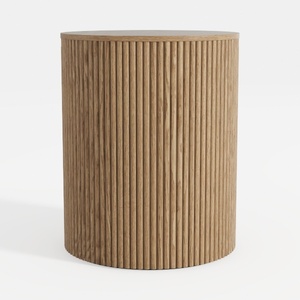
Minimalist Fluted Oak Round Side Table 3D Model

Minimalist Brown Velvet L Shaped Sectional Sofa 3D Model
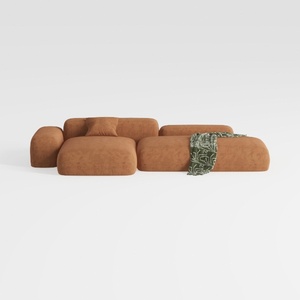
Minimalist Brown Fabric Modular Sectional Sofa 3D Model
Homestyler is your go-to online home design platform, perfect for creative minds! With its user-friendly design tool, stunning 3D renderings, a wealth of design projects, and helpful DIY video tutorials, you can effortlessly transform your home into a space that reflects your style.
立即免费设计
































