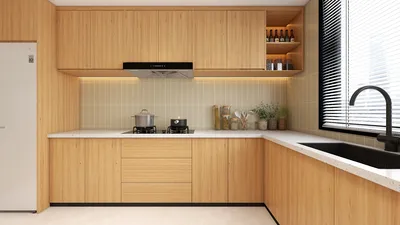


A client once requested an exceptionally dark kitchen floor, and I humorously suggested we might need indoor streetlights—yet it became one of the best design choices I’ve ever made. Dark flooring can dramatically alter a space, either enhancing its atmosphere or overwhelming it. Mastering this balance has become my passion in interior design. If you’re interested in incorporating black flooring without transforming your kitchen into a dark cavern, my perspective on high-contrast designs will guide you in creating drama without the excessive gloom, particularly through the use of Homestyler tools.
1. Opt for matte black to add depth
Matte black floors exude a sense of luxury while providing a surprisingly forgiving surface that conceals smudges better than shiny alternatives. They complement white cabinetry beautifully. However, one should take care; matte finishes can highlight dust in certain lighting conditions. To combat this, I suggest selecting a darker grout and implementing a straightforward maintenance routine—using simple microfiber mops has worked wonders in my small renovation projects.
save pin
2. Combine black flooring with warm wood accents
The warmth of wood pairs perfectly with black surfaces, softening the intensity. During a townhouse renovation, replacing a cool countertop with a walnut butcher block shifted the space’s mood from harsh to welcoming. The key challenge lies in matching the undertones—always test your samples together in the light of your kitchen before making a final decision.
save pin
3. Incorporate textiles and rugs to add layers
Utilizing a patterned runner or textured rug effectively breaks the expanse of dark flooring, making the area feel more comfortable. I typically employ long runners to establish clear pathways. If you want to visualize placement prior to purchase, explore options with 3D modeling software like Homestyler, which helps in ensuring that rug size and design will fit harmoniously in your space.
save pin
4. Balance darkness with reflective surfaces
Including glossy backsplashes, glass cabinet fronts, or metallic fixtures can disperse light, alleviating the heaviness that dark floors might create. In a compact kitchen, for example, a mirrored backsplash alongside brass accents gave intention to the flooring, preventing it from becoming overwhelming. Consider using design software to facilitate quick concept iterations between reflective and matte finishes.
save pin
5. Introduce a bright focal point
A striking backsplash, a boldly painted island, or vibrant pendant lights provide visual anchors and prevent the dark flooring from dominating the design. From a budgeting perspective, painting or tiling for a backsplash usually offers a substantial visual impact without breaking the bank—one family I collaborated with changed their tile midway through the project and still managed to stay under budget.
save pin
FAQ
Q1: Are black floors compatible with small kitchens?
Absolutely! I frequently use black flooring in smaller kitchens to add depth—pair them with lighter upper cabinets and strong vertical lighting to avoid a cramped feel.
Q2: Which materials are ideal for black kitchen flooring?
Popular options include porcelain, engineered hardwood with a dark finish, and luxury vinyl plank. Each material varies in durability and maintenance requirements, so choose based on the expected traffic and moisture levels.
Q3: Do black floors reveal dirt more easily?
While dark floors may show some dust or small crumbs differently than mid-toned surfaces, regular sweeping and using a quality microfiber mop will keep them looking purposeful rather than dirty.
Q4: Can black floors create a cooler atmosphere in the kitchen?
Darker floors can visually appear cooler, yet the chosen material (such as tile vs. wood) has a greater effect on thermal comfort. Area rugs and warm lighting can help mitigate any chilliness.
Q5: How do I select countertops that complement black floors?
I typically advise for stark contrast: light or white stone for a sharp appearance, or warm woods to create a softer feel. Always test samples in your kitchen’s lighting before making a decision.
Q6: Are black floors slippery when moist?
Some shiny finishes can become slippery; opting for textured or matte surfaces will ensure better grip and safety in busy kitchen spaces.
Q7: What maintenance tips can ensure long-lasting care?
Stick to cleaners suggested by the manufacturer, position mats near sinks, and avoid harsh chemicals. Establishing a quick weekly cleaning routine helps prevent build-up and maintains the finish over time.
Q8: Is there credible guidance on kitchen flooring and safety?
Indeed! Organizations such as the National Kitchen & Bath Association provide best practices concerning materials and safety guidelines. According to the NKBA (https://www.nkba.org), selecting appropriate slip-resistant finishes and strategically planning the layout for traffic flow are crucial aspects of a functional kitchen.
save pin
Discover the ease of home design with Homestyler! This online platform offers a user-friendly design tool, stunning 3D renderings, and a wealth of design projects and DIY video tutorials. Perfect for anyone looking to transform their space effortlessly!
立即免费设计
































