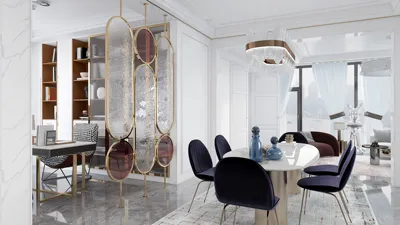


In one instance, I persuaded a client to keep a large vintage sofa she adored — and then dedicated a week to figuring out how to seamlessly integrate it into the space. Throughout this process, I discovered the importance of embracing scale rather than resisting it, utilizing tools that allowed me to visualize furniture sizes beforehand ensuring no surprises upon delivery. One fantastic resource for this is Homestyler, which helps in planning layouts efficiently.
Small living spaces can ignite creativity in design. Here are five strategies I've employed in various projects to ensure that sizable furniture feels intentional rather than cramped. Each tip highlights its effectiveness, trade-offs, and a quick hack you can implement over the weekend, embracing the functionality of tools like Homestyler.
1. Allow one large piece to take center stage
I often position a single substantial sofa or cabinet as the focal point, keeping other elements slim and minimalist. This approach results in a curated look; however, it’s essential to maintain balance within the room. Incorporating negative space alongside simple side tables can help achieve this effect beautifully.
save pin
2. Select items with open legs and light finishes
Sofas with exposed legs, airy metal frames, or glass-topped tables can visually lighten a bulky presence, making it seem less imposing. While this is a straightforward aesthetic improvement, be mindful that it could mean sacrificing some storage or sound absorption — a well-placed rug or floating shelf can compensate for that without adding to the bulkiness.
save pin
3. Utilize vertical zoning and plan your layout first
When a larger item is unavoidable, draw the eyes upward with vertical elements: wall shelves, slender bookcases, and hooks can free up floor space. Before making any purchases, I recommend sketching or using digital tools to create precise floor plans, as it ensures that traffic flow and door swings are adequately considered — trust me, this can save you from multiple painful return trips.
save pin
4. Choose modular or customizable larger items
Opting for modular sofas and customizable storage options allows you to divide a large piece into smaller sections for easier delivery and future reconfigurations. Although they might require a higher initial investment, they provide flexibility for future redesigns. One tip is to match modules to your specific layout using fabric swatches and design mockups, which can easily be created with tools like Homestyler.
save pin
5. Create 3D mockups to test arrangements before purchasing
I always advise clients to use 3D mockups for their major furniture choices and experiment with various arrangements. This method reveals true sightlines and pathways, showcasing how what seems daunting on paper can become a stunning centerpiece — just remember to verify your measurements to avoid falling for a layout that doesn’t fit perfectly.
save pin
FAQ
Q1: Can large furniture ever work in a small living room?
A1: Absolutely — as long as you allow for airflow, balance it with lighter pieces, and emphasize clear pathways. Having one standout item can create a focal point while ensuring the rest remains visually airy.
Q2: Should I always opt for modular furniture?
A2: Not necessarily, but modular furniture is excellent if delivery space is limited or if you expect to relocate often. Although a bit pricier, it offers flexibility that can be beneficial in the long run.
Q3: How do I ensure a large sofa will fit in my space?
A3: Don’t forget to measure doorways, staircases, and the intended space while accounting for clearance to open doors and paths for walking. I suggest marking out these dimensions with tape on the floor to visualize the fit.
Q4: Are lighter-colored larger items more suitable for small rooms?
A4: Generally, yes — lighter finishes reflect more light and create an illusion of less mass. Darker large items can work, provided they are balanced with bright textiles and adequate lighting.
Q5: What if my large furniture obstructs natural light?
A5: Position sizable pieces away from primary light sources, or use lower-profile furniture near windows; mirrors can also help bounce light around. Additionally, consider using sheer window treatments to maintain brightness without sacrificing privacy.
Q6: Is it worthwhile to hire a professional for layout assistance?
A6: If you're making a significant investment in a large piece, a short consultation can be invaluable in avoiding costly mistakes and return trips. Professionals can provide scaled layouts and swift recommendations.
Q7: Are there safety or code concerns regarding large built-ins?
A7: Yes, built-ins must adhere to load and anchoring guidelines, especially in older buildings or rentals. It's advisable to consult a contractor if you're uncertain about secure installation.
Q8: Where can I find guidelines on comfortable traffic flow and spacing?
A8: The American Institute of Architects offers practical planning guidelines for room dimensions and circulation; you can refer to aias.org. These standards are crucial for ensuring furniture placement facilitates everyday use.
Homestyler is the ultimate online home design platform for anyone looking to create stunning interiors. With its user-friendly design tool, impressive 3D rendering, a vast array of design projects, and helpful DIY video tutorials, you can effortlessly transform your home into a masterpiece.
Design Now for FREE
































