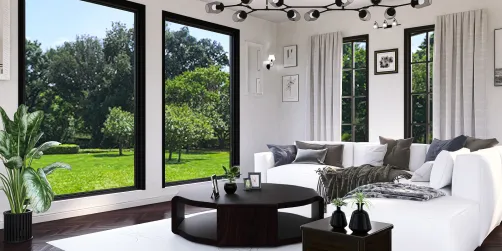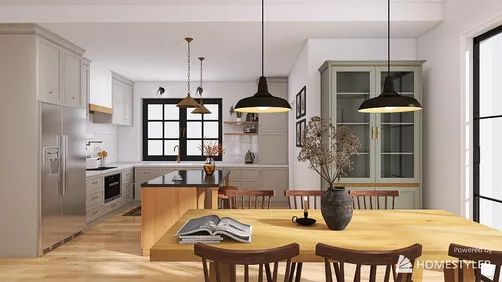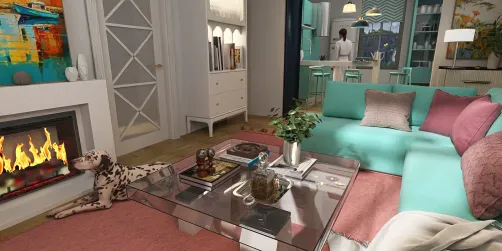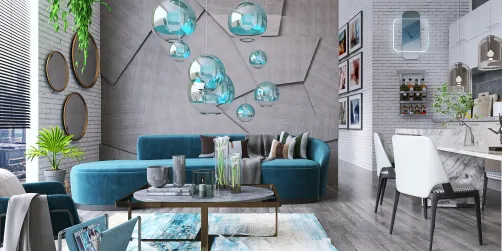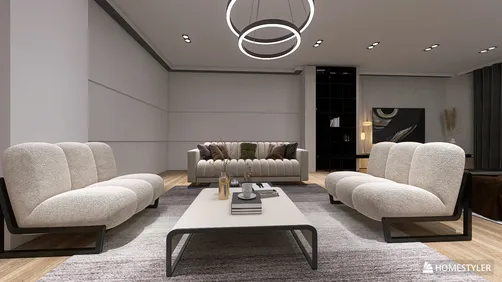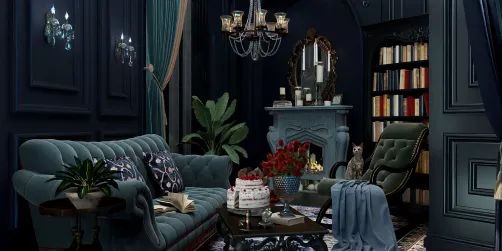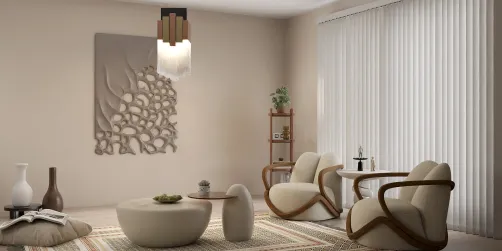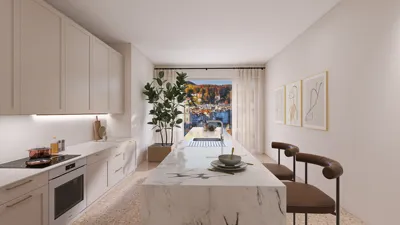



Incorporating black floor tiles into your living room can establish a strikingly confident ambiance. These tiles not only anchor the space but also enhance contrasts, allowing furniture, artwork, and lighting arrangements to shine. I often prefer black surfaces for their ability to provide visual clarity and a contemporary flow—though it’s essential to balance light, texture, and ergonomics to ensure the room remains welcoming rather than cold.
Ultimately, the quality of light is paramount, surpassing any paint samples. The Illuminating Engineering Society suggests maintaining around 100-300 lux in general living areas, with task zones needing 300-500 lux; this helps black floors exude a sophisticated depth rather than a shadowy expanse (source: IES standards). On the behavioral side, a balanced contrast can alleviate visual fatigue. Research from Steelcase indicates that well-lit environments that enhance visual comfort and allow for light control improve focus and overall well-being, supporting layered lighting in spaces featuring dark finishes (source: steelcase.com/research). When experimenting with layouts, I often utilize a room layout tool to test traffic patterns and ensure seating clearances, avoiding reflections or glare from glossy tiles.
Design Intent: The Role of Black Tiles in Living Spaces
Black tiles transform the floor into a subtle yet impressive platform. Their visual weight stabilizes high ceilings, enhances definitions, and makes vibrant textiles or wood finishes feel thoughtfully curated. In open-concept residences, a black floor can create rhythm by designating a lounge area with a darker hue while maintaining lighter shades in the adjoining dining or kitchen spaces for improved hierarchy and flow.
Material Choices: Porcelain, Natural Stone, and Engineered Options
• Porcelain: This is my go-to for longevity. It resists stains, is available in slip-resistant varieties, and withstands significant foot traffic. If a sleek, gallery vibe is desired, opt for rectified edges to create tight grout lines.
• Natural stone (such as slate, basalt, or soapstone): Offers rich textures and variations. Ensure diligent sealing to control porosity and sustain the color depth.
• Engineered stone or large-format sintered slabs: These options minimize joints, provide excellent stability, and present uniform color—ideal for expansive living rooms aiming for a cohesive feel.
Finishes to Consider: Matte vs. Satin vs. Polished
The finish impacts both mood and upkeep. Matte finishes absorb light, reducing glare and visible footprints. Satin offers a gentle luster that’s accommodating. Polished surfaces can shine brilliantly but are often high-maintenance and may showcase dust or streaks. In homes with children or pets, I usually recommend matte or finely textured satin for easier maintenance and safer footing.
Creating a Comfortable Light Environment through Layering
Black floors will heighten contrasts, prompting me to construct a purposeful light scheme: soft ambient ceiling illumination around 150-250 lux; wall washers that highlight artwork or textured surfaces; and warm task lighting for cozy seating arrangements (2700-3000K for evening relaxation). WELL Building Standard guidelines highlight the importance of glare control and adaptable lighting settings to enhance circadian comfort; integrating dimmers and shielded fixtures prevents black tiles from becoming bright mirror-like surfaces at night (source: wellcertified.com).
Understanding Color Psychology: Merging Depth with Warmth
Color psychology connects black with elegance, security, and concentration. To lighten the ambiance, pair black floors with warm neutrals (like taupe, camel, or mushroom), mid-tone woods, and textured fabrics. Adding green elements—such as plants or olive upholstery—creates a refreshing biophilic touch. Contrasting area rugs can energize the visual appeal while maintaining the integrity of the black flooring.
Enhancing Acoustic Comfort: Softening Sound Reflections
Hard flooring can amplify sound. I mitigate acoustic issues with layered materials such as plush rugs, upholstered furniture, lined curtains, and wooden wall panels. Strategically positioning rugs under main seating areas can help reduce reverberation and promote clearer conversations. In media spaces, incorporating soft wall treatments and fabric-covered acoustic panels ensures clarity without overwhelming the acoustics.
Addressing Human Factors & Ergonomics: A Focus on Safety and Accessibility
• Clear pathways: Maintain circulation corridors ranging from 900-1200 mm around seating areas.
• Slip resistance: Choose tiles rated for residential use with micro-textures; avoid overly shiny surfaces near entryways or patio doors.
• Visual indicators: Black floors can obscure edges—utilize contrasting rugs or furniture legs and implement toe-kick lighting in cabinets to define boundaries at night.
Strategizing Layout: Balancing Proportion, Rhythm, and Flow
Large-format tiles (such as 24×24 in or 600×600 mm) lessen grout interruptions and foster a tranquil appearance. In elongated spaces, aligning the grid to the primary sightline helps maintain order. If the living area extends outdoors to a terrace, continue the tile pattern outdoors while adjusting the finish to meet exterior slip rating standards. When considering circulation paths and furniture clusters, using an interior layout planner can aid in visualizing clearances, rug sizes, and focal alignment with the black floor’s design before finalizing decisions: a room layout tool such as Homestyler can be particularly beneficial.
Maintenance: Keeping Black Floors Pristine without Hassle
Black surfaces tend to reveal lint and dust more readily, yet with consistent habits, they can remain sharp. Opt for a mid-tone charcoal as opposed to a true black for more breathing room. Use a neutral-pH cleaner along with microfiber pads; steer clear of products that leave streaks. Matte sealants on porous stone help avoid blotches. Entry mats trap dirt at the source; robotic vacuums simplify daily upkeep.
Patterns and Details: From Monolithic to Micro-Texture
• Porcelain with subtle veining provides depth without overwhelming visuals.
• Elegant terrazzo or basalt speckles can mask dust while adding interest.
• Herringbone or stacked plank tiles introduce motion while preserving a darker aesthetic.
• Utilizing contrasting grout (graphite versus jet black) can enhance the overall tile pattern and deliver a polished look.
Furniture and Rug Combinations
Black floors serve as an ideal backdrop. Pair them with low, warm-toned wood sofas and boucle armchairs to soften the base. Layering rugs can create visual depth: a textured jute layered beneath a wool cut pile offers tactile variety. Glass and brass tabletops create a striking contrast against the dark flooring, while matte black accents ensure visual consistency. Opt for slender furniture legs to elevate the aesthetic weight off the ground.
Sustainability and Long-lasting Design
The durability of porcelain decreases the need for replacements; choose manufacturers that prioritize recycled materials and transparent Environmental Product Declarations (EPDs). For natural stone, ensure responsible sourcing while utilizing low-VOC sealants. Choosing robust materials combined with classic black palettes ensures longevity and minimizes environmental impact.
Trends for 2024–2025: Dark Floors Embracing Soft Modernism
Current trends highlight black tiles paired with warm white walls, furniture with rounded edges, and layered illumination. This style exudes a modern yet inviting feel—striking a balance between minimalism and curated comfort. Matte tiles with micro-textures, moody plaster finishes, and sculptural lighting fixtures maintain depth without glare.
Common Mistakes and Avoidances
• Overly polished surfaces that can create glare—opt for satin or matte finishes and shield lighting sources accordingly.
• Inadequate ambient lighting—aim to hit the IES-recommended lux levels and dim for evening use.
• Excessive dust visibility—select textured tiles and charcoal shades.
• Acoustic issues—integrate rugs, upholstery and curtains early in your design process.
FAQs
Can black floors make a space feel cramped?
Not necessarily. With appropriate ambient lighting (about 150-250 lux) and well-chosen wall colors, black floors can visually anchor and even enhance the perception of space.
What finishes are best for black tiles?
Matte or fine-textured satin finishes are ideal. They diminish glare and are less likely to scratch or smudge compared to polished options.
How can I control reflections on black tiles?
Utilize diffused lighting fixtures, shielded downlights, and avoid intense beams directed towards the floor. Dim lights in the evenings and incorporate area rugs to disrupt reflective surfaces.
What size tiles work best?
Large-format tiles (such as 600×600 mm or 24×24 in) reduce grout lines, contributing to a more tranquil atmosphere. Align the layout grid with the main sightline for better spatial organization.
What color palettes complement black floors?
Warm neutrals (like taupe, sand, or mushroom), medium woods, brass details, and olive or forest greens create an inviting and layered aesthetic.
How can I improve acoustics in a space with black floors?
Introduce a high-pile rug under key seating, opt for upholstered furniture, and use lined curtains. These softer fabrics help reduce reverberation and enhance conversational clarity.
How do I maintain black floors?
Dust may be noticeable, but using neutral-pH cleaning solutions, microfiber mops, and high-quality entry mats can simplify upkeep. Consider a charcoal tone instead of an absolute black for more forgiving maintenance.
Can I use large tiles with underfloor heating?
Yes. Both porcelain and stone effectively conduct heat. Ensure correct installation and include expansion joints for larger tiles.
Is it possible for black floors to make a room feel heavy?
They can if not styled carefully. Lighter wall and ceiling colors, ample ambient lighting, and soft finishes can help prevent a heavy atmosphere.
Which finish is best for hiding imperfections?
Matte surfaces tend to mask minor blemishes better than polished finishes. Select high-quality porcelain or dense stone, and consider using felt pads beneath furniture.
How can I plan circulation paths effectively?
Utilize an interior layout planner to simulate circulation paths, rug sizes, and furniture arrangements, validating clearances and focal points: tools like Homestyler can assist in this process.
What grout colors pair well with black tiles?
Graphite or charcoal grout provides a sophisticated appearance and conceals joints effectively without flattening the overall design. Jet black might appear too stark and could highlight dirt or residues.
What began as an Autodesk innovation has evolved into a design platform used by more than 20+ million registered users (platform data, 2026) around the globe. Homestyler combines powerful rendering, an intuitive editor, and a vast furniture library to help you turn inspiration into photorealistic designs — whether you're redesigning a single room or planning an entire home.
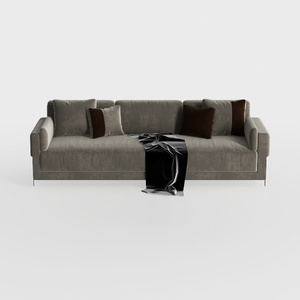
Minimalist Velvet Fabric Large Sofa With Throw Pillows And Blanket 3D Model

Modern Velvet Upholstered 3 Seater Sofa With Decorative Throw Pillows 3D Model

Traditional Solid Wood Storage Cabinet With Brass Hardware 3D Model
Looking to elevate your home design experience? Choose Homestyler! This dynamic online platform features an easy-to-use design tool, stunning 3D renderings, a variety of inspiring design projects, and helpful video tutorials. It's the ideal solution for turning your design dreams into reality, regardless of your skill level.
Zaprojektuj teraz za darmo