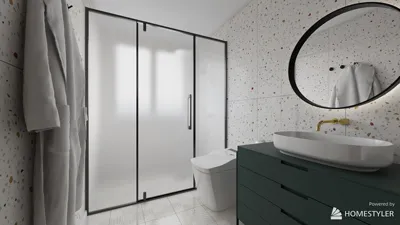


I once attempted to fix a small paint chip near a switch and ended up repainting half of the wall—definitely a rookie mistake. After ten years of tackling kitchen repairs and managing small apartments, I realized you can be precise with repairs, and that even limited spaces can ignite significant creativity. For those seeking inspiration instead of a demolition approach, take a look at the room inspiration I referenced while organizing a repair-friendly layout using Homestyler.
1. Clean, sand, and prime: The essential trio without the glitz
This step is non-negotiable for me—dirty or glossy edges can cause touch-ups to fail. Lightly sand the edges of the chip, wipe it clean with a damp cloth, and apply a quick-drying primer to seal the bare wall, which not only helps the new paint stick but also conceals stains.
It's economical and removes the guesswork in color blending, though it does add a little time to the process. For budget-friendly projects, I utilize a small sanding sponge and an all-purpose primer; professionals often prefer oil-based primers for tough stains.
save pin
2. Opt for lightweight filler for deeper chips
When a paint chip exposes a gouge or a hollow in the plaster, I reach for a lightweight spackling compound—it's quick to sand smooth and doesn’t shrink significantly. Apply it in thin layers, sand between applications, and prime the area before painting.
Benefit: you’ll achieve a flat, seamless repair even on textured walls. The downside is the need for patience—hurrying the sanding process will be evident after your last coat.
save pin
3. Feathered touch-up for perfect color blending
For small imperfections, I blend leftover paint with a bit of primer and use a fine artist’s brush to feather the edges outward; this technique avoids that noticeable circular patch. Use thin, overlapping strokes and allow each layer to dry—multiple light coats work better than one thick coat every time.
This approach is tidy and cost-effective, ideal for renters who keep a small sample pot on hand. The tricky part is matching the sheen and finish; sometimes a satin patch on a semi-gloss wall can look off until the whole section is repainted.
save pin
4. Mimic texture before applying paint
If your wall features a stipple or orange-peel texture, replicate that texture prior to painting — I use either a spray texture or a toothy sponge to imitate the surface. Carry out this texturing step after applying filler and primer, ensuring it dries before proceeding with touch-up paint.
This small additional step can make repairs virtually invisible, particularly on focal walls in living rooms. The challenging aspect is practicing the texture technique on cardboard first to avoid overdoing it on the actual wall.
save pin
5. When uncertain, repaint a small panel or strip
Sometimes, the smartest choice is to define a small repair area—a tidy vertical strip extending from floor to ceiling or a panel around an outlet—then repaint that entire section to ensure uniformity. This approach appears intentional if clean borders are created, and it conserves paint in comparison to repainting a whole room.
This technique has proven effective during rental turnovers, saving me time while keeping landlords satisfied; integrating it with a quick layout refresh can elevate the overall ambiance of the room. If you're seeking layout inspiration while planning where to repaint, I often refer to a kitchen layout guide or similar examples to ensure the repair complements the room’s visual flow with the help of Homestyler.
save pin
FAQ
Q: What tools do I absolutely need to fix a small paint chip?
The essentials include fine sandpaper or a sanding sponge, lightweight spackle, a small putty knife, primer, an artist’s brush or small roller, and matching paint. Good lighting and a damp cloth for cleaning can significantly improve the outcome.
Q: How can I match paint color if I don’t have any leftover paint?
Take a small paint chip or a removable fixture (like corner trim) to a paint store for color matching, or purchase a small tester pot to try it on the wall, confirming both color and sheen before making a commitment.
Q: Is it possible to skip primer on a small repair?
You can on occasion, but primer enhances adhesion and prevents tannin or stain bleed-through; forgoing it can result in visible patches later. I typically use a quick-drying primer in spot repairs—it’s worth the extra 10 minutes.
Q: How long should I wait between coats?
Follow the manufacturer’s drying time, generally 1–2 hours for latex paints under normal humidity, longer in cooler or humid conditions. Applying thin coats dries quicker and provides a superior finish than a single heavy coat.
Q: Is it preferable to use a brush or roller for touch-ups?
For small chips, a fine brush offers the best control; for larger patched areas, a small high-density foam roller provides a more consistent finish. Matching the original application method aids in maintaining the sheen and texture consistency.
Q: Can I address chips on textured walls?
Absolutely — after filling and priming, recreate the texture using a spray or sponge technique before applying paint to match the surrounding surface. Practicing on scrap material until the pattern flows naturally is recommended.
Q: Are there safety concerns with old paint?
If your home was constructed prior to 1978, older paint may contain lead; for more information, consult the EPA’s resources on lead-based paint (https://www.epa.gov/lead). In such cases, it's wise to consider professional abatement or proper testing before sanding.
Q: How do I prevent future chips?
Install corner guards in high-traffic areas, avoid colliding furniture with walls, and select durable paint finishes like satin or semi-gloss for active rooms. Regular minor touch-ups are far easier than major repairs later, and a consistent maintenance schedule keeps walls looking fresh—using tools like Homestyler can help visualize wear areas effectively.
save pin
Discover your home's potential with Homestyler! This user-friendly online design tool offers stunning 3D renderings, a wealth of design projects, and insightful video tutorials. Whether you're a beginner or an enthusiast, you can effortlessly create and visualize your dream space. Start designing today!
Concevez maintenant gratuitement
































