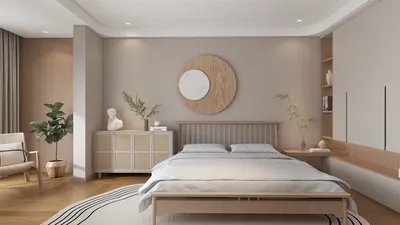


I recall a client who reached out to me frantically: their cramped bathroom resembled a scene from a marshmallow factory, with paint bubbles adorning the walls. It made me chuckle at first, but then I realized that even small areas can present significant design dilemmas, prompting the need for creative solutions. We leveraged bathroom layout inspiration to rethink the ventilation and conceal the most unsightly spots without undertaking a complete renovation, utilizing the Homestyler tool for visualizing our changes.
1. First aid: patch, prime, and paint
The appearance of paint bubbles typically signifies underlying issues—whether it be moisture, loose paint, or inadequate primer application. I advise my clients to eliminate any loose blisters, sand the edges smoothly, apply a stain-blocking primer, and repaint with top-grade acrylic paint; this approach is both predictable and budget-conscious. The only downside is the time required: allowing sufficient drying time between each step demands patience, but it yields lasting results.
2. Transform imperfections into texture: choose a textured finish or create a feature wall
In one instance, rather than eliminating every minor bubble in a studio, I recommended applying a subtle textured plaster to the problematic wall—suddenly, the bubbles became inconsequential, and the room acquired a unique character. This technique is excellent for camouflaging flaws and enhancing tactile allure, though it may not align with minimalist modern aesthetics and could complicate future repairs.
save pin
3. Address the source: manage moisture and enhance ventilation
Bubbling issues often arise from excess humidity or leaks. In a recent redesign of a compact kitchen-bath combo, we installed an exhaust fan and improved seals, effectively curbing persistent blistering. If you're contemplating layout adjustments to enhance airflow, creating a quick floor plan using Homestyler can help visualize the optimal placement for vents and doors—small layout modifications frequently resolve ongoing paint challenges.
save pin
4. Utilize color and positioning to reduce visual disturbance
Applying darker, durable paints to the lower sections of a wall or using an accent hue can effectively conceal small bubbles and stains while awaiting full repairs. I once implemented a two-tone color scheme in a narrow hallway; the darker lower stripe disguised scuffs and minor bubbling, providing a sense of grounding to the space. However, it's essential to remember that this is merely a cosmetic remedy—the fundamental problems still require attention eventually.
save pin
5. Proactive maintenance and economical fixes
Preventing issues is preferable to repairing them: maintain humidity levels, promptly address leaks, and opt for breathable paints in older homes. For quick, low-cost fixes, consider spot-priming and touch-ups or adding decorative panels where bubbling is frequent. When a kitchen wall persistently blistered near the stove, we reassessed the range's positioning and exhaust while applying a heat-resistant finish, ensuring the issue didn't recur—sometimes, rethinking kitchen workflow is essential to eliminate the root problems.
save pin
Frequently Asked Questions (FAQ)
Q1: What causes paint bubbles on walls?
The most common culprits are trapped moisture, excessive heat, or poor adhesion between paint layers. Bubbles can also arise over grease, loose old paint, or after water damage has occurred.
Q2: Is it possible to simply paint over the bubbles?
Painting over bubbles provides a temporary fix—the blisters are likely to reappear. The best course of action is to remove the loose paint, address the substrate issues, prime, and then repaint properly.
Q3: What steps should I follow to eliminate paint bubbles?
Begin by scraping off loose paint, smoothing the area with sandpaper, treating for mold or stains if necessary, applying primer, and then repainting. For larger areas that exhibit underlying damage, it’s best to repair or replace the drywall first.
Q4: Are there any quick solutions for renters?
Absolutely: a light sanding, a thin layer of spackling compound, and some touch-ups with matching paint can temporarily conceal bubbles. Always consult your lease before making permanent changes.
Q5: Which paints are least likely to bubble?
High-quality acrylic latex paints paired with good primers are less susceptible to bubbling, particularly when applied to clean, dry surfaces. In moisture-prone areas, choose paints designated for bathrooms or kitchens to ensure better durability.
Q6: How long should I wait between applying primer and paint?
Refer to the product guidelines, which typically recommend a wait time of 2–4 hours for fast-drying primers and up to 24 hours for full curing; allowing adequate drying prevents trapped solvents that could cause bubbles.
Q7: Can high humidity alone cause bubbling?
Indeed, excess humidity during the drying process or trapped moisture from leaks can lead to blistering. Managing ventilation and fixing leaks is crucial for a lasting resolution. Sherwin-Williams notes that paint blistering is often a sign of moisture or adhesion issues (https://www.sherwin-williams.com/).
Q8: When should I bring in a professional?
If you see bubbles covering extensive areas, if they persist even after repairs, or if you notice visible water damage, it’s wise to consult a professional to check for leaks, mold, or structural problems. It’s usually more cost-effective in the long run to address the underlying cause rather than continuously applying patches.
save pin
Discover Homestyler, the ultimate online home design platform! With its user-friendly design tool, stunning 3D renderings, and a wealth of DIY video tutorials, transforming your space has never been easier. Unleash your creativity and bring your dream home to life today!
今すぐ无料でデザイン
































