


Direct Answer
Misaligned hardwood floorboards often result from installers not properly staggering end joints or beginning installation without a comprehensive plan. Addressing this depends on the timing: adjustments to board lengths and seam spacing are possible during installation, while post-installation fixes generally involve selective plank replacement. Thorough plank distribution planning significantly reduces alignment problems.
Quick Takeaways
Introduction
Uneven hardwood floorboard alignment is a frequent issue encountered in flooring projects. With over ten years of experience in residential renovations, I’ve observed that most alignment troubles stem not from the materials themselves but from hasty or inadequate layout preparation.
Homeowners often detect alignment problems when seams begin to line up uniformly across rooms or when the flooring displays an unnatural repetitive pattern. The planks remain intact, but the flawed arrangement compromises the installation’s overall appearance.
Before laying hardwood floors, professionals usually design a plank layout plan covering the entire space. Tools like Homestyler can simulate floor plans in 3D, enabling visualization of plank placement and revealing potential spacing issues early on.
In this article, I will explain the root causes of hardwood plank alignment flaws, how installers can adjust mistakes during installation, and what repair methods are feasible after the flooring is completed.
save pin
Common Causes of Hardwood Floorboard Misalignment
Key Insight: The majority of misalignment begins early in the process, often before the second row is installed, due to poor management of plank length distribution.
Typically, hardwood boards come in varied lengths, and if installers place them without strategic mixing, visible patterns develop quickly.
Common issues I have observed on sites include:
To avoid obvious seam patterns, the National Wood Flooring Association advises mixing boards from several boxes. Skipping this recommendation tends to produce seams aligning prominently within the first few rows.
Why Repeating End Joints Form Noticeable Patterns
Key Insight: Patterned seams often emerge not from installation errors but from the repetitive use of identical board lengths.
Many hardwood flooring sets contain recurring length combinations. Installing boards in the original packing order results in a rhythmic pattern across the surface.
Common visible seam pattern problems involve:
In expansive spaces like living rooms or offices, these patterns become more apparent due to long sightlines emphasizing seam repetition.
save pin
How to Fix Layout Issues During Flooring Installation
Key Insight: When alignment errors are identified early, installers can remedy them by adjusting board lengths and repositioning cut pieces effectively.
In my supervision of installations, we typically pause after the initial rows to assess seam alignment throughout the room.
Professional steps used to correct alignment include:
Many installers utilize digital tools, such as Homestyler, to draft detailed layouts that simulate the entire room in 3D. This visualization helps detect and fix symmetry concerns before physically installing the planks.
save pin
Repairing Hardwood Floor Alignment After Installation
Key Insight: Once installation is complete, correcting uneven alignment usually involves selectively replacing certain planks rather than redoing the full floor.
The approach depends on the severity of the visible seam patterns.
Typical repair techniques include:
An often overlooked aspect by homeowners is color matching the finish; substituting boards after finishing can lead to inconsistencies in stain hue or sheen.
Therefore, many specialists recommend repairs only when the seam patterns significantly detract from the aesthetic.
Tools to Ensure Consistent Board Alignment
Key Insight: Utilizing layout tools prior to installation greatly minimizes risks of visible seam repetition.
Experienced installers rely on pre-planning strategies instead of solely fixing problems after they arise.
Useful resources include:
Increasingly, digital floor planning software like Homestyler allows installers to preview accurate room designs and surface patterns before starting the project, facilitating better seam distribution prediction.
save pin
Preventing Hardwood Floorboard Alignment Issues Moving Forward
Key Insight: The most effective way to tackle plank misalignment is thorough preparation during the initial installation rows.
From my professional experience, experts follow a concise checklist before installation which takes about 20 to 30 minutes but prevents extensive corrections later.
Best practices adhered to by seasoned installers include:
This planning phase ensures efficient workflow and minimizes visible alignment problems.
Answer Box
Misaligned hardwood planks typically result from uneven plank length distribution during installation. Avoiding these visible seam patterns requires mixing boards from various boxes and proper staggering of joints. Selective plank replacement remains the most practical remedy if patterns are noticed post-installation.
Final Summary
FAQ
Why do my hardwood floor seams line up?
Seams often align when identical board lengths are installed consecutively. Mixing planks from multiple boxes helps prevent this problem.
What is the recommended minimum stagger for hardwood flooring?
Installers usually advise staggering end joints by at least 6 to 8 inches to avoid visible seam alignment.
Can uneven hardwood floorboard alignment be remedied without complete floor removal?
In some cases, minor issues can be fixed by replacing few boards or inserting shorter planks to disrupt repeated seam patterns.
Why does my hardwood floor appear patterned?
Repeated use of similar board lengths across rows creates visible patterns instead of a random look.
Is patterned hardwood flooring considered defective?
No, this is usually an installation-related issue rather than a defect in the materials.
How do professionals avoid hardwood plank alignment problems?
They organize planks by length, mix boards from several boxes, and plan staggered seams before laying the first few rows.
What causes plank alignment issues in DIY projects?
DIY installers often neglect sorting and layout planning, which increases the risk of seam repetition.
How can I fix uneven hardwood floorboard layout during installation?
Pause the installation, remove affected boards, and redistribute plank lengths to improve seam staggering.


Rustic Solid Wood Geometric Octagonal Coffee Table 3D Model
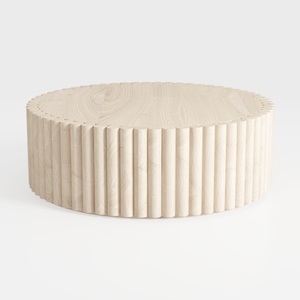
Minimalist Solid Wood Fluted Round Coffee Table 3D Model
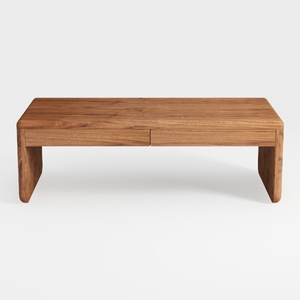
Minimalist Solid Wood Two Drawer Coffee Table 3D Model
Homestyler offers an easy-to-use online design tool with stunning 3D renderings, inspiring interior projects, and helpful DIY video tutorials—perfect for anyone looking to create beautiful home designs effortlessly.
立即免费设计
































