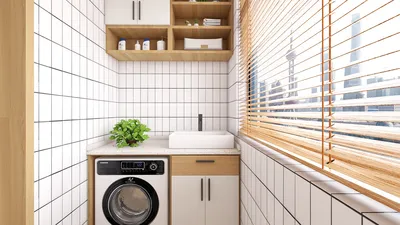


Direct Solutions
The majority of issues encountered during DIY wall easel installation stem from inadequate wall anchors, misaligned mounting, or insufficient support for the weight of the artwork. Addressing these problems typically involves upgrading to stronger anchors, adjusting the alignment of mounting points, and reinforcing the frame to ensure the load is transferred securely to wall studs.
Once a stable and correctly aligned mounting system is established, most stability problems are eliminated, allowing the easel to operate as if professionally mounted.
Key Points to Remember
Overview
DIY wall easel installation failures are more common than expected, even among skilled practitioners. Over years of collaborating with artists and homeowners, I've observed that many well-crafted easels fail due to inappropriate mounting designs unsuitable for actual wall conditions.
Typical issues include the easel leaning forward, the canvas gradually sliding downward, or the entire frame feeling unstable when adjusting the artwork.
Interestingly, the problem rarely lies within the easel itself; rather, it’s usually the interface between the easel and the wall that's at fault.
In several studio redesign projects I've participated in, we utilized simulation tools similar to those available in Homestyler for layout planning, which helped us understand how the weight and placement of artwork impact the stress on wall mounts.
This guide highlights common DIY wall easel installation challenges and practical solutions that professionals employ to address them efficiently.
Why DIY Wall Easels May Fail Post-Installation
Insight: Failures frequently happen because wall anchors are selected based on ease rather than their weight capacity.
Many DIY installers mount wall easels in the same manner as lightweight picture frames. While suitable for light art, functional easels often carry considerably heavier and dynamic loads.
Adjusting the canvas angle or changing artworks subjects the mounting points to repeated micro-stresses, which standard drywall anchors cannot withstand over time and may loosen.
Typical reasons for installation failure include:
Professional art display installation standards recommend using stud anchoring for artworks over 20 pounds since drywall on its own cannot safely support dynamic weights.
Solutions for Loose Anchors and Weak Mounts
Insight: Upgrading the anchor system usually resolves easel instability immediately.
The majority of wall easel problems stem from loosened anchors, but the remedy is straightforward.
Repair steps include:
When stud placement is inconvenient, toggle bolts rated for 50 to 75 pounds can significantly enhance stability.
For optimal planning in creative spaces, I usually locate studs first using spatial layout tools akin to Homestyler’s interactive wall positioning planners.
How to Fix Misaligned or Crooked Easel Frames
Insight: Uneven mounting points, not defective frames, typically cause crooked easels.
Even small discrepancies of 3 to 5 mm in screw height can tilt the entire structure.
While artists might suspect frame warping, installation misalignment accounts for roughly 90% of such cases.
To correct a crooked wall easel frame:
Using washers is a clever professional technique allowing fine adjustments without needing to redrill mounts completely.
Solutions for Canvas Slipping or Insufficient Support
Insight: Canvas slipping often occurs when the bottom rail lacks enough friction or adequate depth.
This is common in DIY projects where the bottom ledge was cut too shallow.
If the easel tilts forward, gravity gradually pulls the artwork downward.
Effective quick fixes include:
Studio-quality easels commonly incorporate small silicone pads or cork strips to prevent slipping without damaging the canvas.
Optimal Wall Easel Installation Fixes
The most effective way to fix DIY wall easel problems is improving the wall mounting setup. Anchoring into studs, ensuring accurate leveling, and strengthening support rails address nearly all issues related to stability and alignment.
Once the easel load is transferred firmly to the wall structure, even large canvases remain secure.
Reinforcing Wall Easels for Heavy Canvases
Insight: For heavier artworks exceeding 25 to 30 pounds, additional structural reinforcement is crucial beyond standard hardware.
Dependable reinforcement methods include:
We frequently use concealed wooden cleat systems in gallery setups as they distribute weight evenly across multiple studs.
Routine Maintenance Tips to Prevent Future Problems
Insight: Regular inspections prevent serious structural problems from developing in wall easels.
Most stability issues worsen gradually over months; minor adjustments now can prevent costly repairs later.
Maintenance checklist includes:
If redesigning a studio or planning display zones, experimenting with wall layouts using tools like Homestyler can streamline placement before installation.
Summary
Frequently Asked Questions
Why does my DIY wall easel feel unstable?
The primary cause is often weak drywall anchors. Switching to stud mounting or heavy-duty toggle bolts typically resolves instability.
How can I fix a crooked wall easel frame?
Remove the frame, level the mounting bracket carefully, and reinstall screws ensuring they are at the same height.
Can drywall safely hold a wall mounted easel?
While drywall can support light easels, heavier artworks should always be attached directly to wall studs.
What is the weight capacity of a wall easel?
It varies with the mounting system but stud-mounted easels often safely support between 50 to 100 pounds.
Why does my canvas slide downward continuously?
This usually happens because the bottom support lacks sufficient friction; adding rubber or cork strips generally prevents slipping.
How do I reinforce a wall-mounted easel effectively?
Installing a wooden backer board fastened across two studs provides robust mounting support for the easel.
What types of anchors work best for DIY wall easel installations?
Heavy-duty toggle bolts or lag screws secured into studs offer the strongest and most reliable support.
Should a wall easel be tilted forward or backward?
A slight backward incline enhances stability and helps keep the canvas from sliding off.
Reference Materials

Homestyler offers an easy-to-use online design tool packed with 3D renderings, inspiring design projects, and helpful DIY video tutorials. It’s perfect for turning your home decoration ideas into stunning, realistic designs without any hassle.
Concevez maintenant gratuitement
































