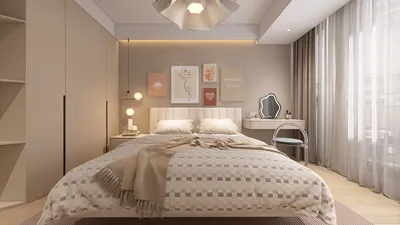


I once selected what I believed to be a reliable shade of gray for a cottage, only to arrive at the site with five gallons of a color that turned out to be more of a “moody storm” under sunlight—my client still finds it amusing. In smaller homes and narrow facades, every choice is magnified, which is why I remind homeowners that limited spaces can inspire immense creativity. If you're considering a color before making a commitment, utilizing a paint color mockup can help save both time and disappointment. You might also want to explore design tools like Homestyler to visualize your choices before proceeding.
1. Grasp the factors that influence the cost
Surface preparation, the number of coats, and the condition of trim typically influence the final price more than the paint itself. From my experience, homes featuring old, peeling paint or an abundance of wood trim often incur costs of 25-50% higher due to scraping, priming, and necessary repairs. On the bright side, thorough preparation yields a finish that lasts for years—making that extra expense worthwhile if you plan to stay for the long haul.
save pin
2. Choose your paint quality wisely
While premium acrylic paints may require a higher initial investment, they provide better coverage and resist fading. I frequently recommend them for sun-exposed facades. A superior quality paint can reduce long-term expenses since you'll need to repaint less often, although be prepared for the initial budget impact—plan accordingly.
save pin
3. Timing and labor choices influence the estimate
Labor is generally the largest expense—professionals charge for rentals, scaffolding, and safety measures. Taking the DIY approach can save money, but it demands a significant time investment. If you're uncertain, sketching your project and considering various exterior makeover concepts can help you decide whether to hire a team or manage certain parts of the task yourself.
save pin
4. Trim, doors, and accent colors offer significant ROI
Painting trim or a front door is a cost-effective method to enhance curb appeal without resorting to a complete repaint. I’ve seen clients invest modest amounts in vibrant trim colors and enjoy compliments for years—just note that trims require more precision, making these areas costlier per square foot.
save pin
5. Consider DIY, hiring a professional, or a hybrid method
If you’re adept, you can save on labor by painting lower walls or doors yourself while leaving higher or more complicated areas to professionals. A hybrid approach typically reduces the budget by 20-40%, but honestly assess your abilities to avoid costly redo jobs. When organizing your staging and setup, I frequently advise clients to plan the layout of ladders and drop cloths for efficient crew operation.
save pin
Quick budget overview
As a general rule: small homes and bungalows usually fall within the $1,200-$3,500 range; medium homes $3,000-$6,000; and large or intricate facades upwards of $6,000+. Elements such as trim detail, repair requirements, and hard-to-reach areas can increase costs. Always obtain at least three written estimates and analyze what’s included in each—cleanup, warranties, and the number of coats.
save pin
Tips 1:
Allocate 10-20% additional budget for unforeseen repairs discovered during preparation. I once found dry rot behind siding, which extended the project by two days and added a few hundred dollars, but it prevented more significant issues down the line for the homeowner.
save pin
FAQ
1. What is the typical cost to paint a home’s exterior?
Costs vary significantly, but many homeowners typically see totals between $2,000 and $4,000 for an average house. Always take into account preparation and local labor rates when estimating your project.
2. How much does paint cost per gallon and how many gallons will I require?
Quality exterior paint generally runs from $30 to $70 per gallon; for a full coat on a small home, you will typically need 3-6 gallons. Two coats along with priming will necessitate larger quantities.
3. Can I save money by doing the work myself?
Yes—DIY can decrease labor costs by 30-60%, but remember to factor in your time, tools, and the potential for imperfect results. Consider a hybrid strategy: tackle DIY-friendly sections while hiring professionals for high or delicate areas.
4. How long can I expect exterior paint to last?
High-quality exterior paint applied on well-prepared surfaces typically lasts between 8-15 years, depending on climate and sunlight exposure. Regular maintenance, such as cleaning and minor touch-ups, can extend this lifespan.
5. Is priming necessary before painting?
If you're painting over bare wood, stain, or a dramatically different color, priming is highly recommended. Skipping primer often results in requiring more top coats and shorter repaint cycles.
6. How does weather impact the painting job?
Optimal painting occurs in moderate, dry conditions, as temperature and humidity can affect drying times and adhesion. Schedule your exterior work during seasons with stable weather to prevent delays and ensure a quality finish.
7. Do painters charge by the hour or by square foot?
Many professionals charge based on project size or square footage for exterior work; hourly rates may be applicable for additional repairs or unforeseen tasks. Requesting a detailed written quote can help you perform accurate comparisons.
8. Where can I find trustworthy cost information?
For reliable averages and regional breakdowns, industry resources like HomeAdvisor provide annual cost guides based on surveys. Those reports serve as an excellent benchmark when gathering local quotes.
save pin
Homestyler is your go-to online home design platform! With its user-friendly design tool, stunning 3D rendering, a wealth of design projects, and helpful DIY video tutorials, you can effortlessly turn your interior design dreams into reality. Start designing today!
Zaprojektuj teraz za darmo
































