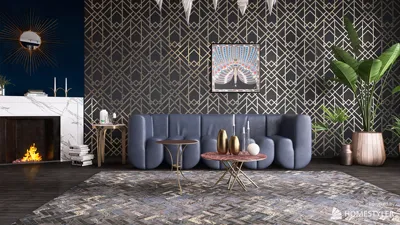


Classic art pieces have an incredible ability to anchor a living room. They not only set the tone of the space but also provide a visual focal point that readers can appreciate. When choosing artwork, I prioritize the balance of proportion, color, and illumination, all while considering everyday factors like seat height and the natural circulation of the room. The aim is to create an environment that feels refined, yet cozy and inviting. Additionally, incorporating design tools such as Homestyler can streamline this process, enabling you to visualize art placement effectively.
Understanding Size, Viewing Angles, and Overall Comfort
Starting with human-centered design is crucial for artwork placement. Ideally, the center of a painting should be positioned between 57 and 60 inches from the ground, which corresponds to average eye level. This height facilitates detail appreciation without straining the neck. Research from Herman Miller reinforces that optimal visual engagement occurs within a slight forward tilt of about 15 degrees when seated. In larger living spaces, I recommend selecting a dominant art piece whose width is approximately two-thirds the length of your sofa, which helps to maintain a pleasing visual rhythm. Lighting is equally important; the Illuminating Engineering Society recommends between 10 to 20 foot-candles for comfortable art viewing. This prevents glare and protects the artwork from damage (IES standards). When adding accent lighting, I prefer narrow beam spreads, warm white bulbs at 2700–3000K color temperatures, and angling fixtures to minimize reflections on glossy surfaces.
Collectors often inquire about how colors influence the mood of a space. Studies on color psychology indicate that warm hues tend to feel welcoming, while soft blues and greens evoke serenity and contemplation (Verywell Mind, color psychology). To balance a cool landscape, I usually incorporate warm fabrics and brass highlights to create a more inviting atmosphere. For darker or heavily adorned areas, art depicting luminous classical themes—like Turner’s vibrant skies—can enhance brightness while remaining cohesive with the overall color scheme.
Choosing Timeless Genres
The diverse field of classical art benefits the living room by showcasing pieces that captivate the eye throughout the year. Landscapes introduce depth and create a sense of perspective; when properly matted and framed, they function almost as windows into another world. Portraits enhance personal connection and dialogue but should feature inviting expressions if the area is often used for gatherings. Still lifes, particularly those rich in texture—such as glass, fruit, and metal—add a tactile element that complements natural materials like linen, wool, and oak.
For traditional layouts, neoclassical and Renaissance art harmonizes beautifully with symmetric designs and classic millwork. In transitional spaces, Impressionist artwork can elegantly align old-world architecture with modern furniture styles. If your home features sleek lighting or minimalist shelving, a stunning Baroque piece can serve as a striking contrast.
Color Harmony: Complement, Don’t Conform
The impact of strong colors in art should inform your overall palette rather than dictate it. I typically select two complementary hues—one mid-tone and one accent—from the artwork to guide fabric and accessory choices. Exact matches can give spaces a contrived feel, so instead, I use inspiration from colors. For example, a painting that boasts deep ultramarine and muted gold might inspire a plush velvet cushion in a dusky tone and a vintage brass lamp to echo the artwork’s essence. Psychological studies suggest that blue and green shades foster tranquility and focus, whereas red tones can stimulate vibrant conversations. A balanced contrast maintains the artwork's prominence while integrating seamlessly into the decor.
Managing Light: Safeguarding Artwork and Enhancing Visibility
Natural light is beneficial yet can be harmful to paintings. Direct sunlight must be avoided; instead, I recommend UV-filter films for adjacent windows combined with sheer curtains to soften incoming light. For accents, it’s essential to utilize LED lights with a high Color Rendering Index (CRI) to ensure true color representation; a CRI rating above 90 will keep whites bright and minimize misleading color shifts in evening light. Picture lights that generate excessive heat are best avoided, along with those that unevenly distribute illumination. Strategically placed track or recessed lighting, angled at about 30 degrees, can create a subtle highlight that accentuates the brushwork while minimizing glare. I suggest adhering to the IES ambient lighting guidelines as a baseline and adjusting accent lighting to be 1.5 to 2 times brighter for a soft hierarchy that showcases the artwork without overpowering the room.
Frames, Glazing, and Material Choices
The type of frame can strongly influence the architectural overall feel of the space. While ornate gold leaf frames are undeniably stunning, I prefer slimmer profiles in spaces featuring substantial moldings in order to avoid visual clashes. Hand-rubbed black or dark walnut frames are versatile and pair beautifully with linen mats. For artwork on paper, museum-grade UV glazing with anti-reflective coatings is essential for preserving color and reducing glare. Oil paintings generally require no glass, as they best showcase texture and can be protected with conservation-grade varnish. Sustainability is also key; opting for FSC-certified woods and eco-friendly finishes minimizes off-gassing in spaces meant for relaxation.
Designing the Wall Space
I approach wall composition like crafting a musical score—with rhythm, pauses, and focal points. A singular standout piece over the sofa creates clarity, whilst flanking sconces establish a well-lit framework for the canvas. For gallery-style walls, it’s important to follow strict guidelines: align the top or center of the frames, maintain 2 to 3 inches of spacing between smaller works, and vary frame sizes to establish visual cadence. If your room layout is fluid or you wish to experiment with focal points before installation, consider using visualization tools like Homestyler to simulate your layout choices without the commitment of drilling holes.
Considerations for Acoustics and Behavior
Large artwork can inadvertently lead to sound echo; to counter this, I incorporate soft rugs, upholstered chairs, and lined curtains to achieve a pleasant auditory experience. Research from Steelcase highlights that sound quality significantly impacts cognitive comfort; while a living room isn’t a workplace, engaging acoustics support relaxation and good conversation (Steelcase Research). When art serves as a conversation starter, seating arrangements should gently curve toward the piece, maintaining a maximum viewing distance of 8 to 10 feet for medium-sized works. For more intimate pieces like portraits, decreasing the distance to 6 to 7 feet can foster a sense of connectivity.
Art Care, Rotation, and Seasonal Adjustments
Classic paintings benefit from gentle maintenance: use a soft brush to dust frames, maintain stable humidity, and avoid placing art near heat sources. Rotating artwork with the seasons can revitalize a space; warmer tones work well in winter, while summer appreciates lighter subjects. If you frequently host guests, consider durable paint finishes—such as limewash or eggshell—so minor scuffs won’t detract from the art. Use gloves and employ two-person handling when repositioning delicate pieces to avoid any accidental damage.
Budgeting and Confident Sourcing
Creating a beautiful art collection doesn’t require a hefty budget. Start by exploring reputable galleries, estate sales, and verified prints or giclées on archival materials. Focus on the provenance and condition of pieces. When building a family collection, consider integrating one significant original work with two or three high-quality reproductions to create a cohesive and personal ambiance. While conservation framing may require a higher initial investment, the longevity it provides is well worth it in the long run.
Authoritative Resources
For guidance on lighting and environmental conditions that protect artwork and enhance comfort, consult IES recommendations for living spaces along with WELL v2 guidelines that focus on light quality and visual well-being. For insights into human factors and behavior in design, research from Herman Miller and Steelcase provides valuable information on viewing posture, behavior, and acoustic considerations.
IES standards; v2.wellcertified.com; hermanmiller.com/research; steelcase.com/research; verywellmind.com/color-psychology
Common Questions
Where should I center the painting? Ideally, place the artwork around 57–60 inches from the floor. If it’s above a sofa, maintain a gap of 6 to 10 inches between the painting's bottom edge and the back of the sofa to ensure comfortable viewing from a seated position.
What is the optimal living room lighting? According to IES, keep ambient light around 10–20 foot-candles, then layer accent lighting to be roughly 1.5 to 2 times brighter. Using LEDs with a color temperature of 2700–3000K and a CRI above 90 will protect the artwork's color and texture.
Should oil paintings be covered with glass? Generally, oil paintings benefit from breathing space and should avoid glass, which can create glare. Instead, conservation varnish is the better option. However, works on paper typically require UV protection and anti-reflective glazing.
What types of art suit well together? Choose landscapes and still lifes with moderate contrasts. They enhance depth without dominating the visual space. Use narrower frames and choose the largest piece to be around two-thirds the width of the sofa for proportional balance.
How can I prevent sunlight from damaging my artwork? Avoid direct sun exposure. Apply UV-filtering window film along with sheer drapes to diffuse light effectively. Place the artwork on walls receiving only indirect daylight and add controlled accent lighting to complement.
What colors best create a calm atmosphere? Desaturated blues and greens usually convey tranquility, especially when paired with neutral warm textiles. Select one mid-tone and one accent color from the painting to create a cohesive palette without duplicating it exactly.
How to arrange my gallery wall? Maintain a consistent alignment along either the top or center of frames, keeping 2 to 3 inches of space between them while varying sizes to create a dynamic rhythm. Anchor the display with one larger piece to provide guidance for eye flow.
Can large art pieces affect room acoustics? Yes, large canvases may reflect sound. Counter this by incorporating soft rugs, comfortable seating, and lined curtains to keep conversation levels comfortable. Aim for a gentle finish near the focal wall for the best acoustic balance.
What is the best angle for lighting my artwork? An angle of about 30 degrees is ideal; this minimizes glare while ensuring an even light distribution across the canvas. Adjust based on the type of frame and glazing used.
How should I rotate seasonal artwork? Regular rotation keeps the environment vibrant and minimizes prolonged exposure to light. Inspect frames and backing each year while maintaining stable humidity to keep all materials protected.
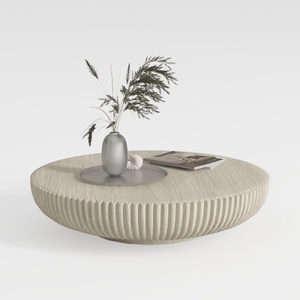

Minimalist Solid Wood Round Coffee Table 3D Model

Minimalist Light Gray Fabric L-shaped Sectional Sofa 3D Model
For an innovative approach to home design, try Homestyler! Its user-friendly online design tool simplifies the process, while stunning 3D renderings help you visualize your ideas. Explore diverse design projects and follow DIY video tutorials to create the perfect space in your home effortlessly.
立即免费设计
































