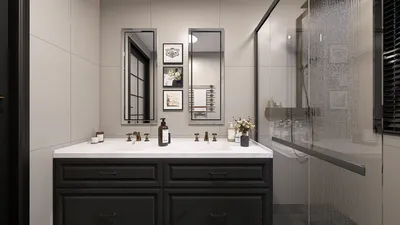


I once worked with a client who believed that having small red ants in her kitchen made the space feel more "lived-in." I held a different view and ended up learning valuable lessons after a week dedicated to observing these tiny invaders, which ultimately led to a successful solution. While small kitchens can highlight every annoyance, they also allow for easier and cost-effective solutions if you know where to investigate. For instance, utilizing tools like Homestyler can help visualize and plan your kitchen layout effectively.
1. Block the minor entry points
Ants excel at locating tiny openings around pipes, windows, and seams in cabinetry. I always suggest conducting a thorough examination with a flashlight and applying caulk or silicone as needed. The benefit is clear: by closing off these entry points, you halt the pathway for these invaders. The difficulty lies in meticulously patching — you might overlook a persistent nook hidden away behind an appliance.
save pin
2. Maintain counter zones strictly free of food
In one small renovation project I managed, we established a dedicated "no-food" area adjacent to the stove using a decorative board for spices and a sealed jar for commonly used snacks. Since ants are guided by scent trails, eradicating potential food sources significantly diminishes their presence. It requires some willpower — you'll need to break the routine of leaving fruit or crumbs on the counter — but the results are swift and noticeable.
save pin
3. Use baits wisely, not indiscriminately
Baits attract ants back to their colony, which is ideal for elimination, but applying them carelessly can be a waste. Position baits along walls or near observed trails. The advantage is a reduction at the colony level; however, it may take days to see results, and you’ll want to keep pets away from treated areas.
save pin
4. Experiment with natural repellents strategically
Common household items like vinegar, lemon peels, cinnamon, or peppermint oil are options I often explore for clients preferring eco-friendly strategies. These substances confuse ant scent trails and are generally low-cost. However, they're mostly temporary and require reapplication — view them as part of your short-term maintenance plan rather than a comprehensive fix.
save pin
5. Integrate cleaning routines with design alterations
Design decisions can be beneficial: features like raised toe-kicks, sealed countertop joints, and smooth cabinetry help prevent crumbs from accumulating. During a compact kitchen redesign, I frequently advocate for transitioning to a pull-out pantry with sealed storage bins; this represents a slight increase in upfront costs but greatly diminishes long-term pest challenges. For layout assistance and quick visualizations, I sometimes utilize tools like Homestyler to inspect problem areas and experiment with changes before making purchases.
save pin
FAQ
Q: How can I differentiate between harmful red ants and harmless ones?
A: If they are persistently foraging inside your kitchen or near food supplies, treat them as pests. Harmless outdoor ants typically avoid sealed spaces.
Q: Are red ants dangerous for humans or pets?
A: Most small red house ants pose minimal health threats, but some can bite or contaminate food; keep pets away from baits and consult a veterinarian if ingestion occurs.
Q: Will vinegar provide a permanent solution against ants?
A: While vinegar disrupts scent trails and can deter ants for a short time, it won’t eradicate a colony — use it in conjunction with sealing and baiting methods for optimal results.
Q: How long before I can expect results from baiting?
A: Anticipate several days up to two weeks; slow-acting baits are designed to be transported back to the colony for effective reduction.
Q: Should I enlist an exterminator for tiny red ants?
A: If DIY methods fail, or you notice nesting structures (like within walls), a professional can identify the ant species and recommend tailored treatments.
Q: Can modifications to design truly assist with pest control?
A: Absolutely — smooth, sealed surfaces, coupled with reduced clutter, eliminate hiding spots and food sources, simplifying maintenance and decreasing the likelihood of pest persistence.
Q: What daily habits can help prevent re-infestation?
A: Clean your counters after every meal, keep food stored in airtight containers, and dispose of trash regularly; these simple habits significantly minimize attractants.
Q: Where can I obtain reliable pest identification resources?
A: University extension services offer dependable identification tools; for instance, the University of California IPM program features comprehensive guides on household ants (https://ipm.ucanr.edu).
save pin

RoyalCraft Farmhouse Sideboard Buffet Cabinet with

roomfitters 63” Retro Sideboard Buffet Cabinet

Lenia Solid Wood TV Stand for TVs up to 60 Inches
Looking to transform your space? Homestyler is your go-to online home design platform! With its user-friendly design tool, stunning 3D rendering, and a treasure trove of DIY tutorials and projects, you can effortlessly create your dream home and bring your ideas to life.
지금 무료로 디자인하세요
































