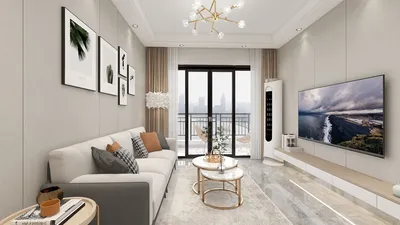


I've always appreciated how small-scale models enhance significant design choices. Rolife DIY House kits capture that essence by offering intricately detailed miniature spaces that allow you to explore various material combinations, lighting atmospheres, and spatial dynamics before making commitments in your own home. This enjoyable form of hands-on prototyping also resembles professional interior design processes, where layout strategies, color psychology, and texture choices are tested with minimal risk.
Creative kits like these hold practical benefits for home decor lovers. Research from Gensler shows that effective use of space relies on a balance between focus, collaboration, and restorative areas. Their Workplace Survey indicates that environments designed for diverse tasks lead to increased satisfaction. Additionally, the WELL v2 standards emphasize visual comfort, advising on glare control and suitable lighting levels to alleviate eye strain. Using these principles in miniature setups can help you visualize how ambient lighting, task illumination, and accent lights perform at various heights and reflectivity. In terms of color, guidance from Verywell Mind highlights that blues and greens evoke calmness, while warmer hues instill energy; experimenting with miniature palettes can make these reactions palpable before committing to a whole room's design.
Planning on a miniature scale effectively highlights potential errors early in the design process. Research by Steelcase emphasizes the importance of ergonomic micro-habits, such as maintaining clear sightlines, appropriate reach zones, and adequate legroom. Within miniature designs, I mimic pathways and seating arrangements to ensure that storage doors operate smoothly and a reading chair doesn't obstruct a window. If the model flows well, the physical space is likely to follow suit. For layout experimentation, a quick digital solution can complement the kits: a room layout software can assist in testing furniture arrangements, assessing flow, and visualizing different concepts prior to finalizing materials.
Design Intent: Transitioning from Miniature Concepts to Real Life
Rolife's kits are equipped with layered materials such as wood veneers, textiles, and papers that resonate with actual interior design. I utilize them to examine proportion—ensuring a balanced distribution of dominant, secondary, and accent elements; a consistent rhythm of recurring patterns; and one or two focal points that emphasize contrast rather than create clutter. These miniature vignettes assist in refining how a matte surface interacts with light compared to a satin finish that captures light softly. In practical terms, this means blending low-sheen walls with semi-gloss trim, incorporating a woven rug for sound dampening, and selecting a metallic lamp for bright highlights.
The Importance of Lighting: Ambient, Task, and Accent
Lighting transforms a tiny model into a convincing room. I begin with an ambient glow for general illumination, then apply specific task lighting in areas where activities occur—like desks, reading nooks, and kitchen counters. Accent lights draw attention to artwork or textured walls. Following IES standards, it’s crucial to consider appropriate light levels and glare reduction; scaled models readily demonstrate how shades, louvers, or diffusers can mitigate harsh contrasts. Warm color temperatures (2700–3000K) are ideal for cozy living areas, whereas 3500–4000K lends a clean look to kitchens without appearing sterile. Within small kits, employing a blend of warm and neutral LEDs quickly indicates whether your color choice appears vibrant or faded.
Understanding Color Psychology and Material Choices
Colors carry significant emotional implications. Generally, blues and greens promote calmness, whereas warm reds and oranges are invigorating, while neutrals foster a sense of quiet confidence when layered with texture. I explore combinations by placing swatches where light strikes: the perception of a warm beige differs beside a north-facing cooler light compared to under a warmer lamp. Selecting materials further enriches sensory experience: soft woods feel good to touch, bouclé or wool fabrics help with acoustics, while glass and polished metals effectively manage highlights. It’s essential to prioritize sustainable options as you scale up—consider using FSC-certified wood, low-VOC paints, and durable materials resistant to wear and color fading.
Incorporating Ergonomics and Human Considerations
Even in a miniature living room setup, I consider human factors. Ideal seat heights translate to actual comfort, with sofas ranging from 17–19 inches, dining chairs around 18 inches, and tables approximately 29–30 inches high. It is crucial that circulation pathways remain unobstructed—ideally 36 inches is recommended for main routes. Within these kits, I verify that a coffee table is naturally accessible without requiring awkward movements. Research from Steelcase connects posture and movement patterns to cognitive vitality; layouts designed to encourage micro-movements—like standing surfaces, reachable side tables, and varied seating—foster healthier habits.
Enhancing Acoustic Comfort in Compact Living Spaces
Miniature models reveal acoustic considerations clearly. Soft materials—like rugs, curtains, and upholstery—absorb sounds, while hard surfaces tend to reflect them. I strive for a balanced sound absorption around social spaces and minimize echo by disrupting parallel walls with bookshelves or textured panels. In open-plan layouts, locating sound-absorbing elements at primary reflection points—behind and beside seating—ensures voices remain clear without feeling dull.
Exploring Spatial Ratios, Rhythm, and Visual Harmony
Visual equilibrium is key. Strong vertical elements—such as floor lamps or plants—balance out wide horizontal furniture. I generate rhythm by repeating two or three design motifs—such as cane textures, black metal lines, or a singular accent shade—ensuring the eye moves comfortably across the space. For styling shelves, I follow a 60/30/10 ratio: 60% dedicated to books, 30% to art and collectibles, and 10% left for negative space. Miniature testing illustrates when a vignette achieves serenity instead of appearing chaotic.
From Conceptualization to Application: Workflow
I begin with a Rolife kit to experiment with mood, then transition to an interior layout software to assess clearances and proportions, followed by sourcing real materials. This systematic approach minimizes future regrets as you will have already observed how light interacts with a color palette, how storage doors function, and where sightlines land. Document all miniature choices—take photos with notes on color tones, surface finishes, and acoustic decisions—and translate them into detailed specifications for paint, flooring, textiles, and lighting.
Inspirational Trends for 2024-2025 in Your Mini Creations
- Integrating biophilic elements: real plants, botanical motifs, and palettes that embrace natural light.
- Incorporating soft technology: discreet charging options, organized cable management, and warm-dimming lighting solutions.
- Emphasizing quiet luxury materials: bouclé, linen combinations, oiled oak, and subtle metal accents that convey sophistication.
- Promoting modular designs: nesting tables, lightweight chairs, and adaptable storage to meet varying needs week by week.
- Creating restorative spaces: reading corners equipped with low glare lighting, soothing ambiance, and warm tone adjustments.
Frequently Asked Questions
Creating mini models is a quick, low-risk method to evaluate circulation, focal points, and storage mechanics. Once your miniature design feels instinctive, replicate these relationships in full scale using tools for layout simulation, ensuring appropriate clearances.
For cozy gathering spaces, aim for warm color temperatures between 2700–3000K; use 3500–4000K for clear tasks in kitchens and study areas. Always adhere to IES recommendations for glare management and layered lighting solutions.
Miniature models effectively convey mood and contrast. It's crucial to check under the actual light source and at various times throughout the day to accurately assess tonal undertones prior to painting the real room.
Utilize miniature parameters to evaluate reach and visibility, then apply standard dimensions like 36-inch paths, seat heights between 17–19 inches, and suitable knee clearance at desks and dining tables.
Incorporate layers of rugs, upholstered seating, curtains, and bookshelves. Disrupt parallel reflective surfaces with textured panels to minimize flutter echo in open spaces.
Flexible, modular pieces, warm-dimming options, luxurious textures, and biophilic accents foster a sense of tranquility without overwhelming the space.
Implement the 60/30/10 guidelines: primarily books or central items, limited art, and thoughtfully placed negative space. Repeat two or three motifs to establish cohesive rhythm.
Gensler’s studies underscore the importance of environments accommodating various tasks, while the WELL v2 standards highlight visual comfort—both of which can guide your prototyping for layouts and lighting prior to full-scale production.
Absolutely. Model key work triangles, optimize task lighting, and facilitate storage door operations. Assess how reflective surfaces may produce glare and adjust material choices accordingly.
Capture the miniature kit through photographs, annotate findings on lighting, finishes, and textures, then compile a material schedule complete with samples and installation instructions for your contractors.
Discover the joy of home design with Homestyler! This user-friendly online platform offers an intuitive design tool, stunning 3D renderings, inspiring design projects, and helpful DIY video tutorials. Transform your space with ease and creativity—perfect for both beginners and seasoned designers!
Design Now for FREE
































