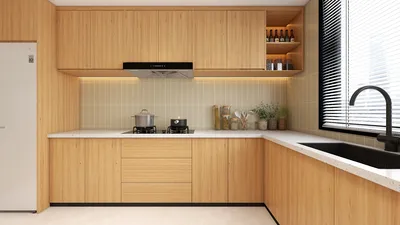


As our daily lives become increasingly compressed with commuting and caregiving, the importance of creating serene spaces has never been more evident. Recent AIA reports indicate a surge in the demand for versatile, multi-functional rooms, and within the 200 sq yd floor plan lies a blueprint for adaptive living. This design can be seen as an interface, where limitations lead to insights, integrating future lifestyles with present challenges into a singular, streamlined narrative. Utilizing the Homestyler platform enhances this spatial reasoning as I configure the layout.
Courtyard Spine + Split-Level Living
Design Logic: A well-planned narrow lot thrives with a central courtyard that divides public and private areas, allowing natural light and microclimate to enhance daily routines over the coming years.
Flow: The layout moves from entry → gallery hall → living/dining in the lower split → adjacent kitchen → courtyard → stairs leading to two bedrooms → roof terrace as the concluding space.
Sightlines: The strategically aligned layers of glass from entry to treetops create a user-interface-style hierarchy: immediate task zones in the foreground, the courtyard in the middle, and the sky in the background.
Storage: Features like stair-drawer units, bench bases, and a well-designed pantry wall ensure storage is easily accessible, keeping visual clutter to a minimum.
Furniture Fit: The design accommodates an 84-96" sofa, a 30x60" dining table, and modular 24" base cabinets, ensuring each element respects movement flow and door mechanics.
Verdict: This resilient design serves as a backbone where seasonal changes influence activity; I envision clients enjoying meals on the terrace and using the courtyard as a refreshing daily retreat.
save pin
Front Flex Studio + Rear Family Stack
Design Logic: The design resolves the work-live dichotomy by situating a street-facing studio with soundproofing while positioning family-oriented spaces further back for peace and concentration.
Flow: The sequence moves from porch → flexible studio → pocket door into the main hall → kitchen island → rear living area extending to a small yard → stairs leading to two bedrooms and a shared bathroom.
Sightlines: The transition from public to private spaces is cleverly managed through gradations of opacity and depth, rather than a broad view.
Storage: Features such as vertical entry lockers, island storage, and a linen cupboard prioritize quick access to items needed for daily tasks.
Furniture Fit: For the studio, a 30" desk and a 48" folding table are ideal; the living space accommodates a compact sectional and a 36" pathway; the bedrooms feature wardrobes between 60-80".
Verdict: The front space welcomes work and guests, maintaining tranquility in the rear stack; schedules of the future can adapt without disrupting household harmony.
save pin
Side Passage + Double-Light Bedrooms
Design Logic: The side passage effectively consolidates services and circulation, allowing spacious rectangles for two dual-light bedrooms—promoting a wellness-focused layout.
Flow: The entry moves through a gate → side lane → entry nook → open living and kitchen space → central bathroom core → two generously lit bedrooms → loft storage over the corridor.
Sightlines: The perimeter glides through various thresholds; the layout acts like a breadcrumb trail—showing edge light, task areas, muted walls, and sky above.
Storage: Overhead bins in the corridor, bed-height drawers, and shallow utility walls provide efficient storage where it is most needed during daily routines.
Furniture Fit: A 30" corridor keeps movement streamlined; queen beds are centrally positioned with adequate clearance, and 12" deep shelves prevent obstruction of flow.
Verdict: The side passage acts like a noise-canceling feature, promoting tranquility and encouraging better sleep and a more organized daily rhythm under natural light.
save pin
Final Takeaway
The 200 sq yd floor plan emerges as a meticulously crafted interface: compact yet functionally rich. Its various interpretations—small lot homes, two-bedroom units—illustrate that preparing for the future requires precision rather than mere size. Design elements such as split-level zoning and lateral circulation build adaptability into the core. In my experience, the most intelligent homes of the future will not necessarily grow larger but will instead become more purposefully designed, especially when using tools like Homestyler.
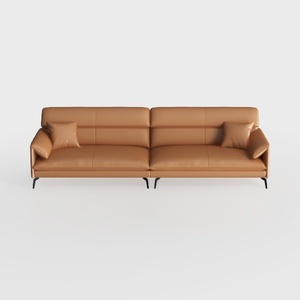
Modern Minimalist Tan Leather Living Room Sofa 3D Model
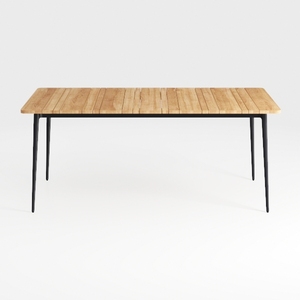
Branch Daily Desk - Functional at Home Office Desk

Minimalist Tan Leather L-Shaped Sectional Sofa 3D Model
Discover your dream home design with Homestyler! This user-friendly platform offers an innovative online design tool paired with stunning 3D rendering, extensive design projects, and informative video tutorials. Whether you're a novice or a seasoned DIY enthusiast, Homestyler makes creating your perfect space an inspiring journey.
立即免费设计
































