

Italian kitchens embody a perfect blend of warmth, elegance, and craftsmanship. In designing these spaces, I prioritize spacious work areas, soothing material selections, and lighting that enhances the appearance of both food and guests. A thoughtfully designed Italian kitchen creates a social atmosphere while maintaining culinary accuracy, with layers of stone, wood, and metal establishing a serene environment where storage seamlessly integrates into sleek lines.
The magic of Italian kitchens is backed by practical performance. According to WELL v2, ambient lighting in living areas should range between 300 and 500 lux, while tasks like food preparation benefit from brighter lighting, ideally between 500 and 1,000 lux. This calibrated illumination facilitates the visibility of colors, textures, and knife edges without causing glare. Research from Steelcase indicates that enhanced environmental quality correlates with increased perceived productivity, reminding us that inviting kitchens elevate daily experiences just as effective workplaces do. To explore deeper insights, the WELL lighting guidelines provide a structured reference, and the findings from Steelcase reinforce the relationship between space quality and human experience.
Fundamental Elements of Italian Kitchen Design
My approach emphasizes proportion and minimalism. Italian kitchens are characterized by solid forms—ranging from a central island to towering cabinetry—and a restricted, tactile material palette featuring honed marble, sintered stone, rift-cut oak, or brushed blackened steel. Hardware is kept to a minimum; cabinets and drawers typically utilize integrated handles. Color is introduced through fresh produce, dinnerware, and textiles, rather than bold cabinetry hues. Consistency is key: evenly spaced reveal lines, aligned appliances, and continuous baseboards create visual tranquility.
Strategic Spatial Planning and Workflow
Efficient workflow begins with a clear triangular arrangement of the cooktop, sink, and refrigerator. I aim for a distance of 1.2 to 2.7 meters between each appliance pair for optimal reach, while considering an additional path for baking or coffee preparation. An island height of 900 to 1,000 mm is optimal for food prep and casual dining, whereas 1,100 mm suits bar seating. Ensure aisles of 1,000 to 1,200 mm allow two people to pass comfortably. Should you wish to experiment with designs or appliance placements, utilizing an interactive layout tool like Homestyler can help you visualize spatial circulation effectively before making any decisions.
layout visualization tool
Lighting: Layered, Precise, and Human-Centered
Italian kitchens thrive on a blend of ambient, task, and accent lighting. An ambient setting of approximately 300 to 500 lux creates a soft atmosphere, while under-cabinet task lighting should reach about 500 to 1,000 lux with a color rendering index (CRI) above 90 to accurately showcase food. I recommend warmth in the evening with 2700-3000K and daytime clarity at 3000-3500K to maintain continuity in color temperatures, avoiding visual chaos. To minimize glare, recessed downlights and diffused linear LEDs at the counter edges should be chosen. When seating faces prep areas, opt for dimmable circuits and separate pendant lighting to alleviate any spotlight strain.
Materials: Authentic, Durable, and Subtle
The use of honed stone and sintered surfaces enhances the understated, elegant aesthetic of Italian kitchens while resisting damage. I prefer oak or ash with low-sheen finishes to highlight the wood’s natural grain, accompanied by stainless or bronze metal accents for durability. Flooring should consist of large-format porcelain or terrazzo, both practical and visually appealing. Sustainability is crucial: I recommend opting for FSC-certified woods, low-VOC finishes, and long-lasting hardware. The material palette should evoke a curated collection rather than a decorated space; allow the surfaces to naturally develop a patina.
Color Psychology and Ambiance
Italian kitchens seldom follow trends for vibrant cabinetry. Instead, they utilize neutral tones—warm whites, bone, clay, and graphite—which promote calmness and reduce visual disturbance. Color finds its place in seasonal fruits, ceramics, and textiles. Soft, warm lighting (2700–3000K) enhances sociability during dinner, while neutral white tones (3000–3500K) add clarity for day-to-day tasks. Maintaining tonal unity across ceilings, walls, and cabinetry makes the space feel larger and more cohesive.
Human-Centric Ergonomics
Handles are positioned for natural grip, drawers are prioritized over deep shelves, and pull-out pantries reduce the need to bend. The dishwasher should be located next to the sink, maintaining a clearance of 1,000 to 1,200 mm for safety. Wall ovens ought to sit at eye level, while countertop heights around 900 to 920 mm support neutral wrist posture for chopping tasks. Allocate a landing space of 600 to 900 mm beside each significant appliance for convenience. Integrated seating should provide 300 mm of knee clearance and a seat depth of 450 to 500 mm for ergonomic comfort.
Noise Control and Comfort
The hard surfaces characteristic of Italian kitchens can lead to elevated noise levels. To counteract this, I incorporate acoustic rugs, upholstered banquettes, and perforated panels concealed behind shelving. Choosing appliances with low noise ratings and arranging loud zones away from seating areas is essential. High-quality under-cabinet lighting reduces hum levels, and soft-close hardware minimizes impact noise. Achieving comfort is a multi-sensory target, aligning sound, light, texture, and temperature harmoniously.
Integrating Appliances Effectively
Panel-ready refrigerators and dishwashers enhance the seamless appearance of the kitchen. Induction cooktops maintain flush surfaces and safety, with downdraft or ceiling-integrated ventilation preserving sightlines. For coffee enthusiasts, allocate a 600 mm space equipped with water and power, alongside a 300 mm landing area. Conceal small appliances within a pocket-door niche that includes internal lighting and outlets to keep work surfaces uncluttered.
Organized Storage Solutions
Italian kitchens champion clean lines rather than clutter. I recommend deep drawers for pots and 450 mm drawers for utensils, with adjustable divider options. Tall cabinetry allows for pull-out pantry access, eliminating dark corners. A slim wall rail can hold frequently used utensils without adding visual chaos. Open shelves, when included, should remain tidy and focused—displaying ceramics, oils, and a single herb plant—to create a restful visual experience.
Island Functionality and Dining Experience
An island should serve multiple purposes: food preparation, plating, and casual eating. Ensure a 300 mm overhang for seating and integrate concealed power outlets. If the cooktop is part of the island, ensure adequate ventilation and heat-resistant materials on the edges; otherwise, keep the island clear of tools to foster a welcoming social environment. Incorporating textural contrasts—honed stone tabletop with ribbed wooden side panels—adds depth without creating noise.
Emerging Trends: 2024–2025
Current trends reflect a preference for matte mineral surfaces, micro-terrazzo finishes, and slimmer stone profiles with reinforced durability. Induction cooking continues to rise in popularity, while smart ovens featuring guided cooking modes simplify meal preparation. Concealed lighting channels with adaptable accessories allow for easy updates. Social kitchens are increasingly showcasing tall, flush doors with continuous grain and integrated bar niches emphasizing sustainability through durable parts and repairable fixtures.
Compact Italian Kitchens
In smaller spaces, it is crucial to focus on a significant design element, such as a continuous tall wall paired with a slender peninsula. Utilize built-in appliances and maintain a light, cohesive color scheme. Mirrors or stainless steel backsplashes can enhance light without being overpowering. Limit open shelving in favor of drawers and pocket-door niches, and for tight areas, employing a layout simulation tool like Homestyler can effectively illustrate spacing and seating arrangements prior to construction.
layout simulation tool
Case Insight: Favoring Proportion Over Decoration
A recent Milan renovation centered on a 3.2-meter island aligned with a window bay. We set ambient lighting at approximately 350 lux using 3000K pendants, and task lighting reached around 800 lux with CRI 95 linear LEDs. The material palette—honed Pietra Grey, rift oak, and satin stainless—remained disciplined. The end result was a kitchen that comfortably hosted four guests every evening while also being perfectly tailored for solo cooking.
Frequently Asked Questions
To maintain readability and a gentle mood, ambient lighting around 300 to 500 lux, complemented with task lighting between 500 and 1,000 lux, aligns with WELL v2 standards for healthy lighting.
Opt for warm to neutral whites: 2700–3000K to foster evening warmth and hospitality, 3000–3500K for daytime clarity and efficiency. Maintain a consistent color tone across fixtures.
Utilize honed natural stone or sintered slabs for their elegant and durable qualities; pair these with stainless or bronze accents for enhanced longevity.
Ensure balanced spacing and 1,000 to 1,200 mm clear aisles for easy movement. Before installation, assess choices with an interior layout planner to confirm circulation effectiveness.
Absolutely. Their flush surfaces enhance clean lines, and the precise control they offer makes them suitable for everyday cooking. Using integrated extraction maintains clear sightlines.
Incorporate upholstered banquettes, acoustic panels behind shelving, soft-close hardware, and low-noise appliances to mitigate impact sounds effectively.
Use deep drawers with dividers, pull-out pantries, pocket-door appliance garages, and selective open shelving to minimize visual clutter and noise.
Matte or low-sheen finishes align with the Italian aesthetic, masking fingerprints while projecting an architectural feel. Reserve glossy surfaces for subtle accents when needed.
Ideal heights for prep and dining are between 900–1,000 mm; for bar seating, aim for 1,100 mm. Ensure at least 300 mm of overhang for knee space.
Key principles encompass proportion, rhythm, and restraint: aligned reveals, solid forms, and lighting that enhances both food and social interaction.
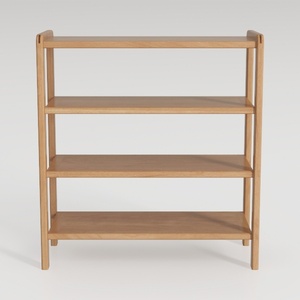
Minimalist Solid Oak Open Bookshelf 4 Tier Storage 3D Model
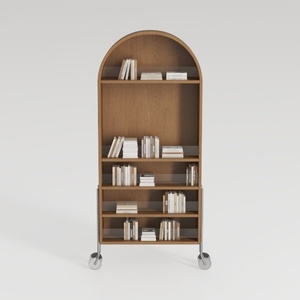

Modern Solid Wood Mobile Arched Bookshelf 3D Model

Minimalist Solid Oak Wall Mounted Floating Shelf 3D Model
Homestyler is an ideal online platform for all your home design needs. With its user-friendly design tool, stunning 3D renderings, and a wealth of design project ideas, you can unleash your creativity. Plus, the DIY video tutorials make it easy to bring your vision to life!
Progetta ora GRATIS
































