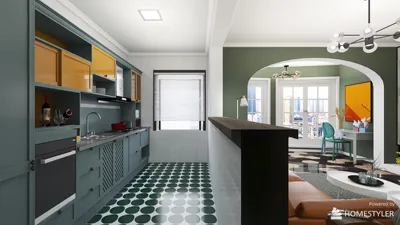


For over ten years, I have been creating modular environments, and the reasons for their appeal remain unchanged: speed, control, and versatility. A thoughtfully crafted DIY modular home can adapt to your changing lifestyle while ensuring it remains practical and cozy. When executed properly, these homes also outperform conventional structures in aspects such as lighting, acoustics, and energy efficiency. Leveraging tools like Homestyler can enhance the design process significantly, allowing for effective planning and visualization.
Performance is crucial in design. According to WELL v2 guidelines, living spaces should have ambient lighting targets of 300–500 lux, while task lighting should reach 500–1,000 lux for focused activities. I consider these benchmarks during the phases of electrical and lighting layout. Additionally, color plays a key role in influencing our emotions—research from Verywell Mind highlights that blues aid in fostering calm focus, while warm neutrals encourage relaxation. These principles guide my choices in finishes and circadian-friendly lighting, ensuring that options in modular kits align with human comfort and usability.
When determining the footprint of a modular home, understanding spatial ratios is essential to avoid both cramped and wasted areas. Steelcase research has consistently linked spatial clarity and proper furniture arrangement to enhanced productivity and well-being. This principle extends beyond office spaces to compact homes, where intentional planning regarding circulation, sightlines, and sound separation is vital. I ensure that main pathways maintain a minimum clearance of 30–36 inches and at least 18 inches beside doors for swing space, promoting smooth flow when modules are connected.
How Modular Systems Integrate into Daily Life
Modular homes decompose construction into repeatable components—structural shells, service cores, and interior kits. This modular approach allows you to phase your project: start with an essential core, then add elements like a studio or a guest suite later. The key benefit lies in precision; factory-built modules arrive accurately aligned, ensuring reliable seams, soundproofing, and weatherproofing. I advocate for the use of gasketed joints and double-stud party walls at module interfaces to mitigate noise and air leaks effectively.
Planning Your Layout and Flow
Begin with a clear grid: decide on your module dimensions and structural rhythm, such as 8x16 or 12x24 feet, ensuring walls, windows, and services are properly aligned. Create circulation loops that circumvent pinch points and dead ends. In compact homes, I place kitchens close to entrances for convenience and buffer bedrooms with storage or bathrooms to enhance acoustic privacy. If you’re exploring various configurations, a room layout tool like Homestyler can assist in visualizing furniture arrangements and daylight access, preventing potential surprises.
Light, Color, and Overall Comfort
Effective lighting begins with a strategic approach to daylight. Orient living spaces to the south or east when feasible, utilizing high windows or clerestories to maximize natural light penetration while minimizing glare. For artificial lighting, it's essential to layer ambient lighting (300–500 lux), task lighting (500–1,000 lux), and accent lighting (100–300 lux). Warm white tones at 2700–3000K are ideal for lounges, while neutral white at 3500–4000K suits kitchens and studios. Employ dim-to-warm LED fixtures to create evening relaxation cues. Color is vital, too—select cool neutrals and muted greens for workspaces, while warm tones in lounges promote comfort. I reserve vibrant colors for doors and small features to introduce vitality without overwhelming the senses.
Sound Management in Modular Homes
In clusters of modular structures, sound can travel through junctions and floors. To combat this, incorporate resilient channels on ceilings, use mineral wool in partitions, and stagger studs where modules connect. Hard surfaces are visually appealing but can amplify sound, so consider cork underlayments and area rugs to soften acoustics. In open living-dining spaces, I sometimes integrate felt baffles or slatted wood screens behind seating to minimize sound reflections. If adding a studio or workshop to your home, design a double-door vestibule and ensure all service penetrations are sealed.
Materials and Eco-Friendliness
With modular structures, the selection of materials is critical. High recycled content insulation, such as cellulose, FSC-certified framing, and low-VOC finishes contribute to better indoor air quality and sustainability. In moisture-prone areas, I opt for cement board and porcelain tiling to ensure durability. Composite decking and factory-painted fiber-cement siding are ideal for withstanding weather exposure from off-site manufacturing. To optimize performance, avoid thermal bridges with continuous exterior insulation and adequately insulated headers above broad openings. Intelligent ventilation systems with heat recovery ensure energy efficiency while providing fresh air when modules are tightly sealed.
Consideration for Human Factors and Ergonomics
In smaller living spaces, ergonomics are essential. Position work surfaces at heights of 28–30 inches for seated tasks, 36 inches for kitchen prep work, and 42 inches for social areas. Focus on reach zones, ensuring frequently used items are within 20 inches of reach and heavier items sit between knee and hip height. In sleeping modules, maintain at least 24–30 inches of space on each side of the bed for easy movement, and select door hardware with user-friendly grips suitable for all ages. Thoughtfully layered lighting and unobstructed pathways are key to reducing nighttime fall risks.
Balancing Spatial Ratios and Visual Appeal
Maintaining proportion keeps smaller rooms feeling balanced. I seek a furniture fill of 60–70% in compact living units to ensure ample breathing space and sightlines. Anchor one long wall with storage solutions or a continuous surface at an accessible height of 30–36 inches to visually connect elements, leaving the tops clear. In narrow spaces, slightly float seating away from walls and utilize a central rug that corresponds to the seating area to draw attention. Position tall storage along the shorter wall to offset the tunnel effect.
Utility Cores and Infrastructure
Utility cores—which include kitchen, bathroom, laundry, and mechanical systems—streamline plumbing and electrical lines between modules. Position wet rooms back-to-back to minimize piping length and associated noise. Plan for shut-off valves and quick-connects at module junctions, facilitating quicker assembly and easier maintenance. While budgeting for electricity, categorize circuits by usage: dedicated lines for induction hobs and HVAC systems, separate low-voltage runs for data connections, and dimmable circuits by zones for customized control.
Strategies for Assembly and On-Site Organization
Effective site staging is critical to meeting project timelines. Prepare foundations or piers, confirm tolerances, and pre-position services to precise coordinates. During the installation phase, ensure shims, sealants, and flashing kits are readily available. Once modules are set in place, focus first on weatherproofing joints and operationalizing utility cores before attaching additional spaces. I conduct sound tests and blower-door inspections prior to finishing stages to identify leaks or vibration problems at early stages.
Budgeting, Phasing, and Future Flexibility
Consider a phased approach: start with the essential living components and add specialized modules later on, such as a home office, guest suite, or sunroom, without compromising the core structure. For effective budget management, standardization is key; maintain consistent window sizes, repeat cabinet layouts, and limit the variety of finishes. Additionally, plan for future adaptability by including spare conduits and designating junctions where future modules may be attached. Opt for furniture that can fold, nest, or be mounted on casters to enhance versatility without requiring structural changes.
Guidelines and Research That Inform My Decisions
For effective lighting performance and visual comfort, I refer to the WELL v2 guidelines and Illuminating Engineering Society sources for appropriate levels and glare control methods. Color psychology insights provided by Verywell Mind aid in grounding finish decisions based on human responses. Collectively, these resources keep my DIY modular design choices in line with wellness principles and practical applications.
Tips for Efficient Layout Modifications
Prototype two or three configurations of the modules and explore them virtually before making any purchases. Use an interior layout planner, such as Homestyler, to assess furniture depths, door swings, and light access to prevent unexpected issues.
Suggestions for Acoustic Separation
Surround quieter rooms with storage solutions or bathrooms, and avoid positioning bed headboards against shared module walls to minimize potential noise disruptions.
Strategies to Achieve Glare-Free Lighting
Incorporate indirect coves or wall washers at workstations and screens, and utilize more intense light points with narrow beams for surfaces featuring matte finishes.
Advice on Effective Storage Solutions
Implement continuous toe-kick drawers in kitchens and platform beds that offer lift-up storage compartments to maintain cleanliness and organization in compact modules.
Designing for Service Accessibility
Plan for access panels at all junctions and ensure clear labeling of circuits and valves; this will simplify future upgrades and maintenance processes.
Frequently Asked Questions
Aim for ambient lighting around 300–500 lux and add task lighting that reaches 500–1,000 lux for reading. Following WELL v2 recommendations ensures balanced illumination levels, complemented by dimmers and warm color temperatures in the evenings.
Common module sizes vary between 8x16 and 12x24 feet. Choose a size that fits transportation regulations in your area while accommodating furniture pathways of 30–36 inches.
Utilize double-stud seams, mineral wool insulation, and resilient channels on ceilings, while ensuring all penetrations are sealed. Enhance acoustics by adding soft elements such as rugs, drapery, and upholstered seating.
Desaturated blues and greens encourage tranquility and focus, while light warm neutrals create an illusion of spaciousness. The findings from Verywell Mind support these psychological effects in home environments.
Indeed, rigorous factory standards, continuous exterior insulation, and heat-recovery ventilation ensure excellent performance. Planning shading and orientation is essential to optimize passive energy gains.
Position wet rooms back-to-back to enhance plumbing efficiency and reduce noise. Maintain dedicated circuits for induction stoves and HVAC, and designate shut-off points at module junctions for straightforward upkeep.
Yes, it is feasible. Incorporate clerestories, exterior shading, and layered interior lighting solutions. Utilize neutral white task lights (3500–4000K) to maintain contrast without harshness.
Create zones based on function: position work modules with strategic downlighting and acoustic treatments, while ensuring that living areas are well-lit and conveniently linked to outdoor access. Use a room design visualization tool, like Homestyler, to refine your layout before finalizing decisions.
Incorporate spare conduits and design standardized junction points. Consistent window sizes and cabinet setups will ensure seamless integration of future extensions.
Not if you effectively manage proportions and line of sight: utilize floating furniture, low continuous storage, and anchor views with a central rug or built-in features. Vary ceiling heights with beams or finned panels to introduce cadence.
Homestyler is your go-to online home design platform, perfect for turning your vision into reality. With its user-friendly design tool, stunning 3D renderings, diverse design projects, and helpful DIY video tutorials, you’ll find everything you need to create your dream space effortlessly!
Design Now for FREE
































