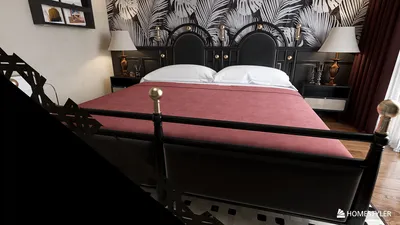


I've implemented mirror walls in compact apartments, hotel corridors, and small retail environments to enhance spatial volume, attract natural light, and improve visual aesthetics. When executed properly, a mirror wall not only creates an illusion of spaciousness but also corrects proportions, enhances visibility during tasks, and balances color temperature throughout the day. Research indicates that well-lit environments, achieving an illuminance level of around 300 to 500 lux, can minimize eye strain, as recommended by IES standards. A strategically placed mirror wall can assist in redistributing light effectively for more uniform illumination. Studies by Gensler have consistently connected high spatial quality with perceived performance, highlighting that well-lit and visually cohesive spaces lead to greater employee satisfaction and productivity.
Ergonomics play a significant role in design as well. Research from Steelcase emphasizes that visual comfort, which includes effective glare control and unobstructed sightlines, is vital for reducing fatigue and enhancing concentration in multipurpose areas—frequently where mirror walls are positioned across from windows or workspaces. Additionally, WELL v2 guidelines underscore the importance of balanced lighting strategies—such as appropriate illuminance, glare reduction, and accurate color rendering—which are foundational for occupant wellness. These considerations are crucial when advising on the dimensions, placement, and finishing details for mirror installations.
Define the Purpose: What Role Should Your Mirror Wall Serve?
Begin with a specific functional objective in mind. Are you looking to boost natural light in a dimly lit living area, add depth in a narrow hallway, or establish a practical grooming area near a wardrobe? I always assess the behaviors of individuals—where they typically sit, walk, and linger—and then arrange reflective surfaces to align with those movements. For optimal light management, position mirrors perpendicular to windows instead of directly facing them to avoid harsh glare and excessive reflections. In hallways, mirror modules can visually widen the space while maintaining a rhythmic line through consistent reveals.
Proportion, Rhythm, and Sightlines
Mirrors function as architectural features when they adhere to the proportions of the room. In most residential spaces, a good guideline for mirror height is to aim for 60-80% of the wall's height, and dividing larger mirror spans with 2-4 inch reveals can add visual rhythm. It’s beneficial to align the seams of mirror panels with doors, windows, or main furniture heights to craft a harmonious visual line. It is also essential to ensure clear sightlines; a full-height mirror should not be directly opposite a cluttered bookshelf or busy work desk, as the visual chaos can create fatigue for users.
Lighting Strategy: Illuminance, Color Rendering, and Glare Management
Before installing any mirrors, plan your lighting meticulously. According to IES guidance, aim for 300-500 lux in living spaces and over 500 lux near work areas. For living rooms, complement mirrors with warm-to-neutral light sources of 2700-3500K, and for kitchens or workspaces, a range of 3500-4000K helps achieve clearer surface rendering. Side lighting is effective in minimizing intense hot spots; avoid descending lights directly targeting mirrors as they can cause bothersome reflections. If natural light sources face the mirror, consider using sheer drapes or light-diffusing materials to lessen contrast. In dressing rooms, placing vertical sconces at eye level flanking the mirror can significantly reduce facial shadows.
Color Psychology and Material Harmony
Mirrors enhance colors, so it’s important to select a palette that you find pleasing in duplicate. Soothing hues like calm blues and pale greens can psychologically diminish arousal, while vibrant reds and oranges can energize; use vivid tones on adjacent surfaces sparingly to mitigate overstimulation, especially in smaller spaces. It’s advisable to pair mirrors with matte finishes such as limewash, eggshell paint, or textured wall coverings, allowing the reflective surface to play against a softer, light-absorbing backdrop. For antique or tinted mirrors, it’s best to keep adjacent materials simple, as complex patterns can become visually overwhelming when reflected.
Planning the Layout: Modules, Seams, and Accessibility
Divide the wall into manageable sections. For DIY projects, panels ranging from 24 to 36 inches wide are easier to handle, and seams can be finished with narrow metal trims or matching bevels. Ensure to leave a service gap or removable panel if the wall conceals electrical wiring or plumbing; having this foresight can be remarkably useful in a project. Before finalizing your design, utilize a visualization tool like Homestyler to test panel sizes, sightlines, and reflection impacts quickly and efficiently.
Safety and Installation: Backing, Adhesives, and Hardware
Utilize safety-backed glass (either vinyl or film-coated) to reduce the risk of shattering. For smaller panels, high-quality mirror adhesive in conjunction with mechanical clips is dependable; larger panels are best secured with French cleats or Z-clips to distribute weight and simplify any necessary adjustments. It's essential to check the flatness of the wall; shimming low areas can prevent stress points that may lead to cracks. Protect edges with trims to avoid chips and create a seamless finish.
Glare, Acoustics, and Human Considerations
Mirrors can heighten perceived glare from bright light sources. Use diffusers, position light fixtures to the sides, and favor matte finishes opposite the mirrors to mitigate sharp reflections. Acoustically, mirrors are reflective; incorporate soft rugs, upholstered furnishings, or acoustic panels to maintain balanced noise levels. Consider the behavior patterns in the space; if a mirror is directed towards a seating area, ensure the reflected backdrop does not include distracting elements such as TVs or active zones.
Thoughtful Edge Details and Joinery
Treat corners and edges with the same attention to detail as you would windows. Installing shadow gaps of 3-6mm adds a refined touch and accommodates minor movements. Metal trims in satin nickel or black provide a modern edge, while wooden trims impart warmth, but be aware of potential seasonal expansion. If your design stretches from floor to ceiling, align heights carefully to prevent awkward sections.
Budget-Friendly and Sustainable Options
Combine standard mirrors with a couple of antique or colored panels to introduce depth without incurring high custom costs. Opt for low-VOC adhesives and durable materials like moisture-resistant MDF in areas prone to humidity. Repurposing existing mirrors by re-cutting them and adding safety film is a cost-effective, eco-friendly choice that still creates a customized look.
Reliable Installation Steps
1) Measure and mark joints with painter’s tape. 2) Dry-fit panels and verify reflections at common eye levels (both seated and standing). 3) Confirm lighting angles and dim settings prior to permanent installation. 4) Apply adhesive in vertical beads to avoid telegraphing, not in blobs. 5) Use spacers during installation; ensure plumb with a long level. 6) Secure with mechanical clips or cleats. 7) Attach trims and seal edges as required. 8) Finish with a clean using ammonia-free glass cleaner to protect the backing.
Care and Regular Maintenance
Use microfiber cloths and gentle cleaners for upkeep; steer clear of abrasive pads which could scratch the surface. Keep a small repair kit handy with color-matched caulk, spare trims, and strips of safety film for minor repairs. Re-evaluate lighting regularly; the quality of natural light shifts throughout the seasons, and adjusting dimmers can help restore balance.
For expert lighting and wellness recommendations, I often refer back to WELL v2 and Illuminating Engineering Society standards regarding optimal illuminance and glare reduction strategies. These guidelines anchor the technical foundation of a mirror wall, ensuring the design remains both aesthetically pleasing and functional.
FAQ
Q1: What is the ideal height for a mirror wall?
Aim for a height that’s 60-80% of the wall's total height, aligning the top edges with door frames or window lines to maintain visual harmony.
Q2: What are the recommended lighting levels for mirror walls?
Strive for 300-500 lux in living areas and above 500 lux in task zones according to IES recommendations; angle lights to the side to lessen glare.
Q3: Can a mirror wall make my space feel colder?
It might, particularly if coupled with cool lighting and hard finishes. Balance this with warm lighting (2700-3000K), soft textiles, and wooden tones.
Q4: How can I avoid double reflections from windows?
Situate mirrors perpendicular to windows or utilize sheer diffusers; avoid direct opposition when glare is pronounced.
Q5: Are antique or smoked mirrors a practical choice?
Absolutely—employ them as accents within a modular framework. They can soften reflections and conceal minor smudges, but ensure surrounding finishes are subdued.
Q6: What is the safest way to hang larger panels?
Utilize safety-backed glass paired with French cleats or Z-clips. Confirm wall flatness and apply trims to safeguard edges.
Q7: Do mirror walls negatively impact acoustics?
Yes, they reflect sound; thus, it's advisable to incorporate soft materials—such as rugs, drapes, upholstered furniture, or acoustic panels—to regulate reverberation levels.
Q8: Can a mirror wall enhance productivity in home offices?
Indirectly, indeed. Improved light distribution and clear sightlines contribute to visual comfort; studies by Steelcase and WELL v2 highlight the importance of balanced lighting in reducing fatigue.
Q9: How can I conceal outlets and access panels?
Design a removable section or integrate trims that can snap off easily. Maintain a service gap for utility pathways.
Q10: What is the best way to clean mirror walls?
Use ammonia-free glass cleaner along with microfiber cloths. Avoid harsh scrubbers that could damage the mirror surface and edges.
Q11: How can I minimize reflections of clutter?
Curate the wall opposite the mirror: employ closed storage solutions, opt for matte finishes, and use simpler patterns to maintain a serene reflection.
Q12: Is it possible to undertake this as a DIY project?
Yes, for smaller to medium panels, if you’re comfortable with measurements, leveling, and glass handling. For full-height installations, it’s wise to seek professional assistance for safe handling and precise alignment.
Originally incubated at Autodesk, Homestyler has grown into one of the most widely adopted home design platforms in the world, now trusted by over 18 million users. Whether you're a homeowner exploring ideas or a professional designer delivering client-ready renders, Homestyler brings industry-leading 3D technology to your fingertips — no experience required.
Homestyler is your go-to online platform for transforming your home design dreams into reality. With a user-friendly design tool, stunning 3D renderings, and a wealth of DIY video tutorials, you’ll find everything you need to create and visualize your perfect space with ease!
Concevez maintenant gratuitement
































