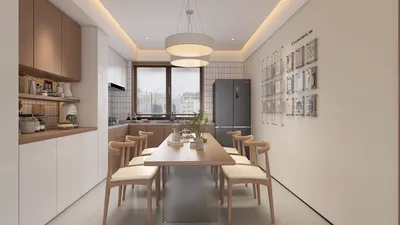


My indoor kitchen garden began as a simple experiment with microgreens on my windowsill and a basil plant by the sink, but it has transformed into a vital part of my daily activities. Beyond the pleasure of picking fresh herbs, this space has improved my environment significantly: allowing more light in, enhancing air quality, uplifting my mood, and making cooking more enjoyable. When designing homes, I've discovered that successful kitchen gardens effectively harmonize ergonomics, light quality, and workflow, making plant care a seamless task. I often recommend using tools like Homestyler to visualize these layouts.
While freshness is a clear benefit of an indoor kitchen garden, the broader effects are transformative. Studies on workplace environments illustrate how natural lighting and biophilic design influence comfort and performance; access to greenery is linked to enhanced wellbeing and diminished stress. The WELL v2 framework establishes guidelines on indoor lighting quality and circadian rhythm support, which I utilize to optimize task lighting around shelves and counter areas. The Light concept from WELL v2 offers insights on illuminance and lighting that supports natural rhythms, which is invaluable for scheduling grow lights effectively. Gensler’s research consistently emphasizes how human-centered design leads to improved experiences and better workplace performance, proving that our surroundings can dramatically influence our behaviors.
Based on my personal experiences, having the correct lighting levels is essential for both plant yield and comfort. Most herbs and leafy greens thrive in light levels around 200–500 lux for visibility, while seedlings often do better under intense grow lights with higher PPFD. For general kitchen tasks, the Illuminating Engineering Society recommends about 300–500 lux at counters. I adjust the color temperature to between 3500–4000K in the prep area to enhance the natural colors of food and keep plant leaves vibrant without causing glare. Making sure that planters are accessible helps minimize bending or spills—Steelcase's ergonomic research underscores the importance of keeping frequently used items within easy reach to reduce strain.
The Impact of an Indoor Kitchen Garden on Everyday Life
The flavor of food improves dramatically when I use fresh basil or mint from my indoor garden, which can elevate even the simplest meals. This practice not only helps to reduce food waste—thanks to the ability to harvest on demand—but it also offers a mental boost; tending to greenery for just a few minutes helps reset my focus, similar to how micro-breaks function in an effective workspace. The visual variety in plant heights, textures, and soft edges creates a contrast that softens the rigid lines of kitchen appliances and stone surfaces.
Lighting Strategies for Indoor Gardens and Human Comfort
Illuminating a kitchen garden requires balancing the need for plants to receive adequate light for photosynthesis and ensuring humans have comfortable, glare-free illumination. My lighting approach involves layering: including ambient ceiling lights for general tasks, under-cabinet task lights at 300–500 lux for preparation, and adjustable LED grow lights with dimmers positioned by the planters. I aim to keep glare angles shallow and use matte finishes in the vicinity to prevent distracting reflective hotspots. Additionally, ensuring high color rendering (CRI 90+) improves both cooking and plant inspections. I regulate plant growth with a consistent weekly schedule using timers that mimic natural dawn-like lighting paired with neutral options to respect circadian rhythms.
Ergonomics and Workflow Near the Sink
For optimal layout, I place planters close to the sink and prep area to minimize mess and the distance I need to travel. The reach zone is crucial: everyday herbs such as basil, parsley, and chives are kept within 450–600 mm from the edge of the prep area, while those used less frequently are placed on higher shelves. Trays under planters collect spills and make post-harvest cleaning quicker. When trying out new configurations, using tools like Homestyler can help assess the visual flow and lighting coverage before purchasing any fixtures.
Material Selections: Non-Toxic, Durable, and Easy to Clean
For containers, I prefer food-safe polypropylene or glazed ceramics that feature drainage. I choose shelves made of powder-coated steel or sealed hardwood which resist moisture. It's vital to select finishes that can withstand splashes and soil without emitting harmful gases. A breathable potting mixture with coco coir helps in managing moisture indoors, and I avoid porous stones under the planters unless they are sealed, as micro-scratches can trap water and stains.
Creating a Microclimate for Humidity and Acoustic Comfort
Plants tend to increase humidity levels, which can be welcome during dry seasons but requires careful monitoring. I utilize a small hygrometer to track moisture levels and employ a discreet inline fan to assist ventilation if necessary. Sound quality is significant; some grow lights and fans can generate noise, so I strategically place equipment away from seating areas and opt for quieter alternatives to maintain an enjoyable acoustic environment, preserving the kitchen’s social atmosphere.
Color Psychology: Inviting Greens and Appetite-Stimulating Neutrals
Green hues promote tranquility and the perception of freshness. Warm neutrals around the prep area make food appear appetizing, while cooler tones near the garden area highlight the vibrancy of the leaves. This subtle color coordination helps me to visually distinguish work surfaces from planting areas, which in turn alleviates cognitive load during multitasking.
Choosing Plants Suitable for Indoor Growth
I focus on fast-growing options like microgreens (radish, broccoli, pea), baby lettuce mixes, and arugula. Additionally, I reliably cultivate herbs like basil, mint, parsley, chives, and thyme. For compact vines, I consider dwarf tomatoes if there’s sufficient light and regular pruning. I stagger sowing every week to ensure a consistent small harvest, which keeps the garden looking full while avoiding overwhelming maintenance.
Watering, Drainage, and Maintenance
Using bottom watering trays minimizes splashes. I group plants according to their thirst and light needs for simplified care routines. A narrow rolling cart with a protective mat helps keep tools and soil organized while ensuring the counter remains tidy. Regularly cleaning the leaves improves light absorption and helps manage pests, which in turn maintains clarity in the kitchen’s sensory environment—avoiding damp odors and soil residue.
Spatial Ratios and Visual Harmony
I ensure that plants enhance the space without overwhelming it. Ideally, I allocate about one-third of a vertical shelf for plants, while using the remaining two-thirds for functional kitchen storage. I stagger the plant heights, creating a gentle rise towards the window. This arrangement keeps the kitchen feeling spacious and supports unobstructed views of the outdoors, extending the emotional reach of the kitchen beyond the interior walls.
Sustainability Benefits
While small indoor harvests can't fully replace commercial farms, they significantly reduce packaging waste and unnecessary grocery trips. Utilizing energy-efficient LEDs with timers also lowers energy consumption. Composting trimmings and reusing propagation trays minimize waste. Over time, the garden serves as a daily reminder to make better purchasing choices and reduce consumption.
Common Mistakes I’ve Learned to Avoid
Issues such as overwatering and inadequate drainage often lead to the most failures, more so than insufficient light levels. Overcrowding plants invites issues like mildew and fungal gnats. Using overly blue light continuously can make the kitchen feel uninviting; achieving a balance in the light spectrum is important for human comfort. Lastly, it's crucial to consider workflow—placing planters too far from the sink can complicate gardening tasks.
Steps to Start Designing Your Indoor Garden Today
Begin by selecting one shelf close to the sink, add a waterproof tray, and plant two types of herbs that you use regularly along with a dimmable grow light set for 12–14 hours. Incorporate a simple timer for convenience. Keep a small spray bottle and pruning shears in a shallow drawer for easy access. After two weeks, re-evaluate the arrangement based on your reach and light preferences. If the layout feels cramped, explore alternatives using an interior layout planner to optimize traffic and glare management.
Frequently Asked Questions
For general kitchen activities, it's recommended to target illuminance levels of 300–500 lux at countertops; herbs under grow lights thrive best with a steady, balanced spectrum and sufficient PPFD. I typically aim for 12-14 hours of light using dimmers, ensuring minimal glare by properly shielding the fixtures. For guidance on lighting illuminance, reference IES standards.
Maintaining a color temperature of 3500–4000K helps ensure food appears natural and leaves maintain vibrancy. I combine warm ambient lighting with neutral grow lights for comfort and plant health.
Utilize well-draining mediums, avoid overwatering, and ensure proper airflow. Bottom watering techniques help minimize mess. Cleaning trays and trimming dense foliage improves ventilation for better growth.
Keep herbs close to the sink and prep areas, ideally within a reach of 450–600 mm from the countertop. Daily-used herbs should be positioned at mid-height, with less-frequent greens stored higher. Experimenting with layouts using a design simulation tool can help find the most efficient arrangement.
Incorporating biophilic design elements is linked to reduced stress and enhanced mood. WELL v2’s Light concept encourages human comfort through strategic lighting (WELL v2 Light concept), while Gensler Research highlights the connection between environmental quality and performance.
Opt for highly efficient LEDs and utilize timers to regulate runtime. Dimming lights during daylight hours and arranging plants to share coverage helps minimize the number of required fixtures.
Common choices include basil, mint, chives, parsley, and thyme. I also suggest incorporating microgreens for quick yields—sowing weekly ensures continuous harvests.
Limit plant density to about one-third of a shelf structure, stagger the heights for a harmonious look, and take care to avoid obstructing views of windows. Use matte finishes near light sources to control brightness and glare.
While plants can slightly increase humidity levels, it's essential to monitor them. A hygrometer is helpful, and quiet fans or open windows aid in maintaining a comfortable acoustic environment.
For pots, select food-safe plastics or glazed ceramics, and consider powder-coated steel or sealed wood for shelving. Waterproof trays can help catch spills effectively.
Employing CRI 90+ lighting enhances the true colors of food and allows for clear inspections of plants. This helps reduce eye strain during meal prep and when tending to the garden.
Harvesting vegetables as needed decreases packaging and prevents herbs from deteriorating in storage. Composting scraps and reusing propagation trays minimize overall waste.
Transform your home with Homestyler! This user-friendly online design platform offers intuitive tools for creating stunning interiors. Enjoy immersive 3D renderings, explore diverse design projects, and learn from engaging DIY video tutorials. Bring your vision to life effortlessly, whether you're a beginner or a seasoned designer!
立即免费设计
































