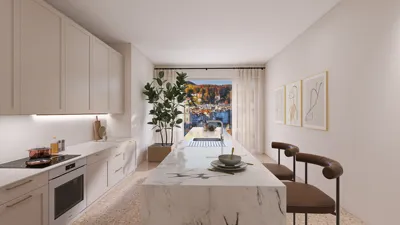


I have created immersive pop-up events and puzzle-driven activities for various clients and smaller venues, applying the same foundational concepts to transform a living room into an engaging space. A home escape game thrives on the coherence of its storyline, the layout of its space, and the logic behind its puzzles, as well as an environment that provides clear indicators without revealing solutions too readily. Ideally, this experience should last between 45 to 60 minutes, accommodating 2 to 6 participants, and presenting a gradual difficulty increase that starts with simple challenges to enhance confidence before delving into more intricate tasks. The Homestyler platform can be invaluable for visualizing these environments.
Base your design around the behaviors and cognitive demands of the players. Research from Steelcase indicates that environments that effectively balance personal autonomy with clear affordances can reduce stress and enhance engagement, factors that directly contribute to puzzle-solving endurance (Steelcase Workplace Research). The WELL Building Standard emphasizes glare reduction and visual comfort as key performance indicators; too much contrast or poor lighting can hinder recognition and elevate error rates—adjustments like diffuse task lighting over clue areas can significantly boost success rates (WELL v2). For comprehensive insights into human-centered spatial cues, the Interaction Design Foundation provides excellent resources on signifiers and mapping that can clarify puzzle interfaces.
Establish Your Foundation: Theme, Goal, and Scope
Select a singular, captivating theme that will dictate the atmosphere and prop style: options include a lost expedition, retro heist, noir detective, science fiction lab, or haunted archive. The goal should be clear and visible from the outset—whether it’s retrieving an artifact or unlocking a final treasure chest, use tangible items like a sealed box or a locked door to convey intent. It’s important to keep the scope manageable: aim for 8 to 12 puzzles spread across 3 to 4 main stages, culminating in a final meta-puzzle that weaves together earlier outcomes.
Organize the Experience with Distinct Acts
I outline three acts for the experience: Act I involves onboarding and introductory puzzles (2–3 quick wins); Act II focuses on exploration and cross-referencing with 4 to 6 more complex puzzles; Act III culminates in synthesis and a grand finale (1–2 meta-puzzles). A puzzle dependency graph can help ensure a smooth progression without bottlenecks. In Act II, parallel puzzles allow participants to assume different roles, with convergence points demanding collaboration to piece together codes, keys, or sequences.
Design the Room Configuration
The choreography of space is crucial. Maintain a clockwise flow, establish distinct "stations" (like a desk, shelf, wall panel, or trunk), and space clues thoughtfully to avoid congestion. If you're looking to prototype furniture arrangement and sightlines before finalizing the setup, utilizing a room layout tool like Homestyler can assist in visualizing player movement and assessing access constraints.
Illumination for Clarity and Atmosphere
Combine ambient lighting (aiming for a target of 300–500 lux for general visibility) with focused task lighting over clue areas. Warm lighting (2700–3000K) suits historical or homey themes, while cooler tones (3500–4000K) enhance clarity for sci-fi or laboratory settings. Steer clear of harsh downlights that can create glare on shiny objects; indirect bounce lighting will provide a gentle contrast. According to IES standards, reading tasks benefit from consistent illumination and low reflections—utilizing matte materials, diffusers, and side lighting can minimize misinterpretations (IES standards).
Utilizing Color and Visual Hierarchy
Color significantly influences attention. Implement a limited palette with neutral backgrounds, a single accent color for “interactive” elements, and a secondary hue for warnings or distractions. Studies in color psychology show that blue-green tones can enhance focus and persistence, while vibrant reds can evoke urgency—reserve bright reds for crucial, time-sensitive cues (Verywell Mind on color psychology). Maintain consistency in labeling: if green stickers indicate “start here,” refrain from using green for misleading clues later on.
Develop Puzzle Types with Balanced Cognitive Challenges
Incorporate a variety of modalities to highlight different strengths: logic puzzles, pattern recognition tasks, mechanical interactions, spatial riddles, audio clues, and narrative deductions. Strive for a mix that includes 60–70% medium difficulty, 20–30% easier onboarding tasks, and 10–20% more challenging puzzles. Ensure each puzzle provides immediate feedback—the environment should signal partial successes (like a sound or visual cue) to maintain enthusiasm. Employ physical props in at least half of the puzzles to lessen screen fatigue.
Create Fair Cues and Avoid Common Mistakes
Each puzzle must be solvable using information contained within the room. If a Caesar cipher is introduced, there should be a visible hint regarding the shift. For locks requiring specific digit combinations, ensure players can discern the order rather than just accumulating numbers. Steer clear of “pixel hunts” and invisible ink unless a clear discovery cue is provided. Avoid riddles that could lead to multiple valid interpretations; instead, favor puzzles where the narrowing of options leads to a single solution.
Narrative Integration and Meta-Puzzle Development
Enhance the storyline through artifacts: diaries, tickets, maps, lab reports, or photographs. Each clue should contribute to unraveling the narrative rather than simply serving as a mechanism to advance. A strong meta-puzzle incorporates previous findings into a new framework—like creating acrostics with initials, deriving coordinates from map pieces, or organizing a sequence based on discovery order. Ensure the final unlock feels symbolic—whether it’s opening an expedition trunk, uncovering a hidden panel, or revealing the final “escape code” on a projector.
Consideration for Human Factors and Safety
Design with both standing and seated tasks in mind; items that are frequently used should be positioned between 750 and 1200 mm in height. Avoid cramped spaces; maintain at least 800 mm of open circulation to prevent congestion among teams. Avoid using live candles, eliminate tripping hazards, and ensure participants are never locked inside—use symbolic locks or maintain visible exits. A hint system should be accessible at all times, along with a safe word to pause gameplay if needed.
Acoustics and Audio Instructions
Utilize sound-absorbing materials (such as rugs, curtains, and books) to minimize echoes and maintain the clarity of verbal instructions and recorded audio clues. Keep background music levels below 55–60 dB to avoid masking essential sounds. If incorporating audio-based puzzles, consider providing headphones or directional speakers to mitigate cross-talk, positioning the devices away from high-traffic areas.
Sourcing Materials with Sustainability in Mind
Select durable, reusable items: wooden containers, metal latches, acrylic surfaces, and laser-cut tokens. Minimize the use of single-use paper products; laminate clue cards to increase longevity. Implement modular locking mechanisms that allow re-theming without excess waste. When painting or staging, opt for low-VOC finishes to maintain a comfortable indoor air quality.
Testing and Iteration for Improvement
Conduct at least two blind playtests. Record the time taken for each puzzle, how often hints are needed, and identify any friction points—such as unclear signals, misaligned expectations with locks, or unintentional red herrings. Adjust difficulty by strengthening gating clues, enhancing lighting on crucial surfaces, or refining multi-step sequences that feel redundant.
Props and Mechanisms Suitable for Home Use
Opt for reliable, low-tech mechanisms over fragile electronic components: combination locks, keyed boxes, magnetic catches, sliding panels, nested containers, and jigsaw configurations work well. If incorporating electronic elements, ensure they are robust with large buttons, straightforward LEDs, and clearly labeled battery compartments. Use NFC tags or QR codes sparingly and only with explicit cues for discovery.
Illustrative 60-Minute Flow Example
• 0–10 minutes: Introductory puzzles—decode a postcard to acquire a drawer key; piece together a torn map to reveal a shelf location. • 10–35 minutes: Parallel puzzles—generate 3 letters from a cipher wheel, reveal two digits with a UV clue, confirm order through an audio riddle, and uncover a symbol with a mechanical slider; teams gather components. • 35–55 minutes: Collaboration—arrange the letters, digits, symbol, and order hints to unlock a 4-digit safe; inside, discover a meta-clue referencing map coordinates. • 55–60 minutes: Conclusion—input the coordinates into a dial to open the expedition trunk and disclose the escape code.
Resetting Protocols and Hosting Guidelines
Capture photographs of each station and develop a comprehensive reset checklist. Label containers subtly on their undersides. Always keep spare batteries, additional clue copies, and a hint script accessible. As a host, maintain the flow of hints: offer a gentle nudge after 5 minutes of delay, provide detailed steps if morale wanes around the midpoint, and save one grand “reveal” for the conclusion.
Frequently Asked Questions
Q1: How many puzzles should I include in a 60-minute home escape game?
A1: Aim for a total of 8–12 puzzles, consisting of 2–3 straightforward onboarding tasks, 4–6 moderately challenging parallel puzzles, and 1–2 meta-puzzles for synthesis.
Q2: What are optimal lighting levels for reading clues?
A2: Aim for 300–500 lux for general viewing, supplemented by dedicated task lighting over clue areas. Utilize 2700–3000K for warm themes or 3500–4000K for laboratory-style clarity, taking care to avoid glare from diffused lighting sources.
Q3: How can I balance puzzle difficulty for a mixed-age group?
A3: Offer parallel paths with clear indicators of progress, incorporate at least two quick wins, and provide one optional challenging puzzle that does not prevent access to the finale. A structured hint system will help ensure all players can advance.
Q4: What elements contribute to a puzzle feeling “fair”?
A4: Every necessary piece of information must be present and easily discoverable; constraints should clearly lead to a single answer, and indicators must direct specific interactions (through consistent labels, shapes, or colors).
Q5: How can I prevent crowding in one area?
A5: Create distinct stations, place parallel puzzles sufficiently apart, and ensure at least 800 mm of circulation space. Implement a clockwise path or zoning to evenly distribute attention among players.
Q6: Is there a need for electronic locks in a home setting?
A6: Not necessarily. Mechanical locks and magnet catches are generally more reliable and easier to reset. When incorporating electronics, opt for simple LEDs and robust buttons with clear feedback mechanisms.
Q7: How can I weave a story into the game without causing delays?
A7: Utilize brief artifacts—such as photographs, letters, or tickets—that reveal snippets of the narrative. Ensure puzzle outcomes correspond with story developments so that progress fuels narrative discovery.
Q8: What’s an effective strategy for managing hints?
A8: Establish hint tiers: a subtle nudge (pointing to a missed signal), a guiding clue (confirming the method), and an explicit step (outlining the sequence). Schedule your first hint after 5 minutes of stagnation and escalate only if frustration grows.
Q9: Which color indicators are effective without being spoilers?
A9: Keep a consistent color scheme: one accent color for interactive elements and a secondary one for warnings. Avoid using the accent color on non-interactive props to prevent confusion.
Q10: How can I minimize noise while enhancing audio puzzles?
A10: Incorporate soft surfaces, maintain background music below 55–60 dB, and isolate audio stations using headphones or directional speakers away from heavily-trafficked areas.
Q11: What strategies can streamline the game reset process?
A11: Document each station with photographs, utilize a printed reset checklist, and color-code internal labels for hidden compartments. Always have spare batteries and duplicate clue cards available.
Q12: What’s a simple structure for a meta-puzzle aimed at beginners?
A12: Gather letters, digits, symbols, and ordering rules through parallel puzzles, then compile them to unlock a final safe or chest that reveals the escape code.
Looking to transform your home? Homestyler is your go-to online design platform! With its user-friendly design tool, stunning 3D renderings, and a wealth of DIY video tutorials, you can effortlessly create and visualize your dream spaces. Start designing today!
今すぐ无料でデザイン
































